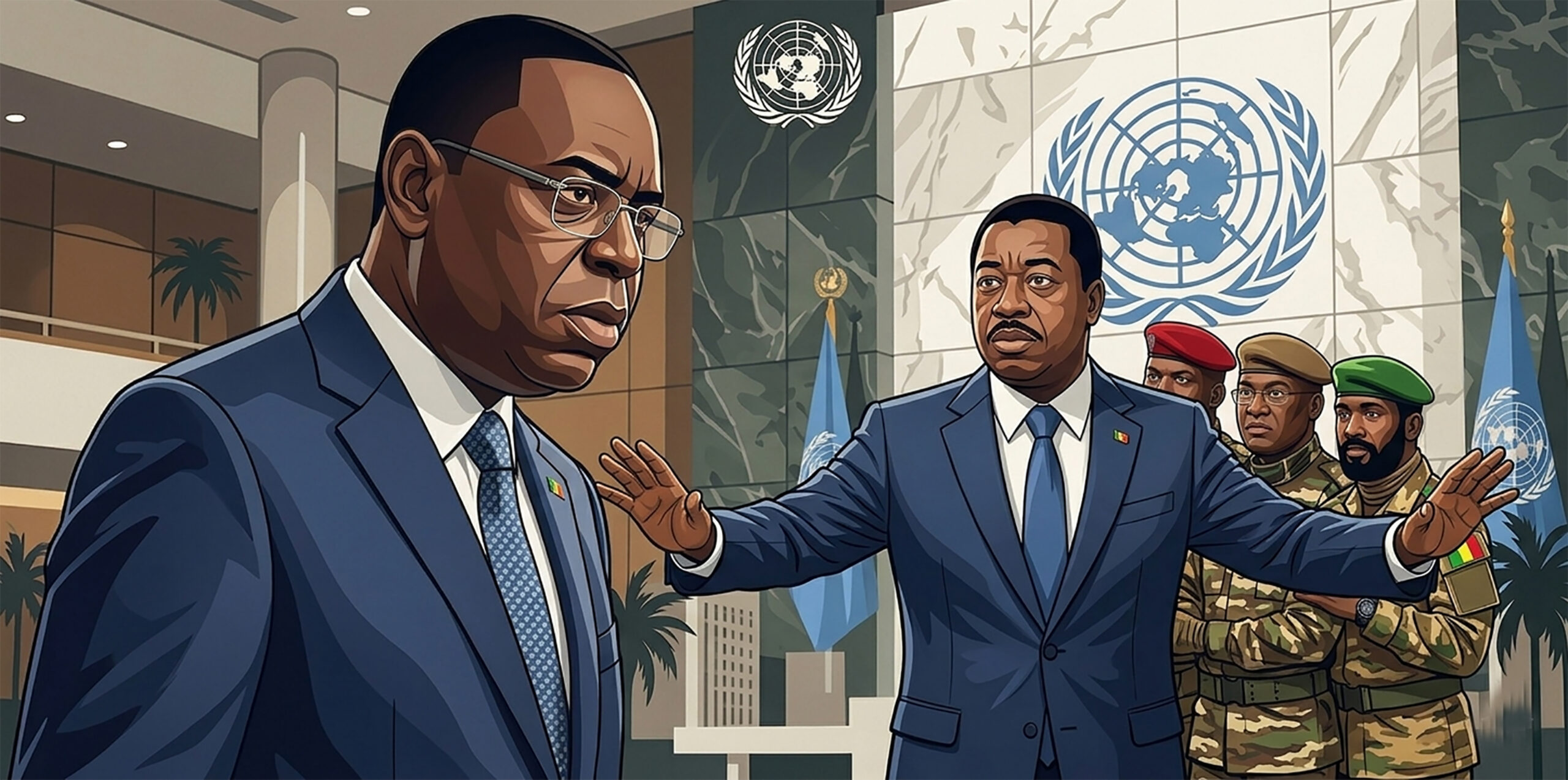
The Sahel region, a vast geographical expanse stretching from Mali to Chad, hardly presents itself as an economic haven. Far from being a magnet for foreign direct investment, the core economies of Mali, Burkina Faso, and Niger grapple with significant challenges. Mali, for instance, faces profound demographic pressures, with 47% of its 25.9 million inhabitants under 15 years old. Only a quarter of its land is arable, and it ranks 188th out of 193 countries on the Human Development Index. Nearly 45% of its population lives below the poverty line. Burkina Faso and Niger reveal comparable statistics, with 40% and 60.5% of their populations, respectively, living in poverty according to the World Bank. These three landlocked nations are currently governed by military juntas, forming the Alliance of Sahel States (AES) with tacit support from the Kremlin, aiming to diminish remaining French influence. Their declared anti-French, anti-Western, and anti-democratic stance was promoted as a path to prosperity, a prosperity they claimed was withheld by European powers. However, this promise has yet to materialize. Amidst these complex dynamics, two neighboring nations, Algeria and Morocco, are stepping forward with distinct proposals to engage with the Sahel states.
Morocco: an Atlantic gateway for the Sahel
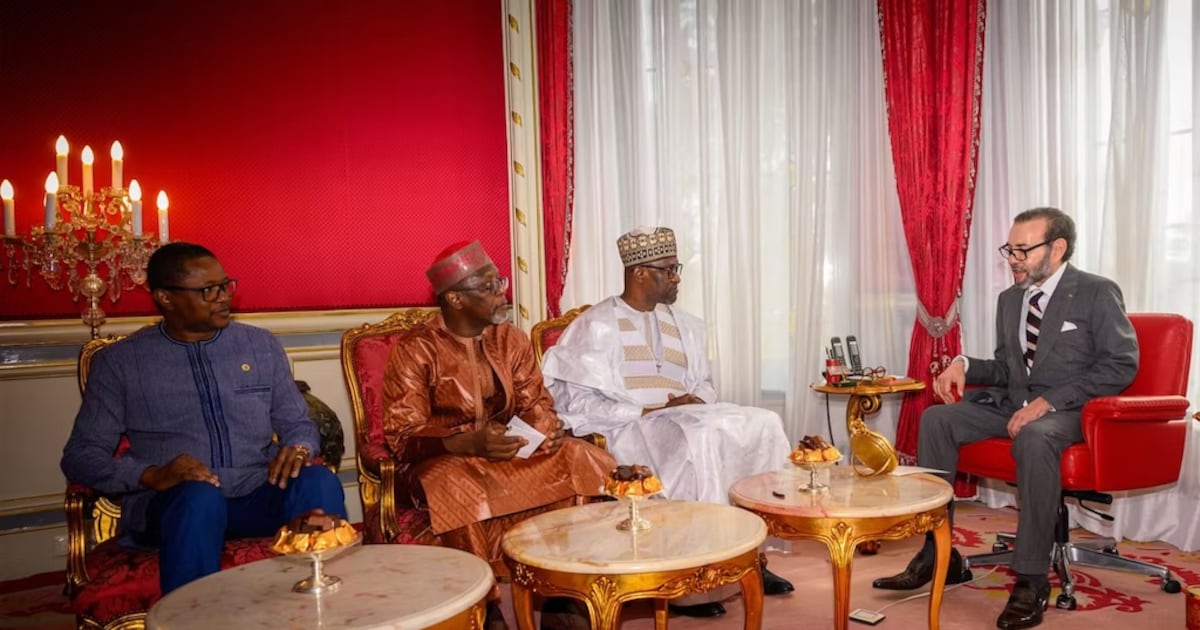
Through the ambitious construction of the Dakhla Atlantic port, the Kingdom of Morocco is offering a strategic infrastructure project in the Western Sahara, designed to mirror the success of its Tanger Med port as a key European hub. This significant development is projected to conclude by 2028, with operations commencing the following year. The vision behind this port is to establish a crucial entry point for West Africa and a maritime link to the Americas. Rabat has already hosted the leaders of the Alliance of Sahel States (AES), presenting a compelling geopolitical proposition: a deep-water port that would potentially connect to a future railway network (though not yet finalized), thereby providing these three landlocked nations with vital access to the Atlantic Ocean and fostering their economic growth. For Morocco, which faces geographical isolation due to its ongoing dispute with Algeria, this initiative serves multiple purposes. It aims to demonstrate that its development strategy for the Western Sahara will benefit the entire sub-region. Furthermore, it seeks to indirectly counter the pervasive influence of jihadist groups plaguing the Sahel by offering economic opportunities and hope to a rapidly growing youth population. The Sahel’s birth rate is exceptionally high, with its population expected to double within a decade.
Algeria: a Trans-Saharan gas pipeline to Europe
Algeria, which had previously experienced strained relations with Niger, recently mended ties in mid-February with Abderrahmane Tiani, the head of Niger’s military government in Niamey. During this rapprochement, Algeria proposed initiating the construction of the Trans-Saharan gas pipeline segment “immediately after Ramadan.” This ambitious project would originate in Nigeria, traverse Niger, and ultimately reach Algeria. Spanning approximately 4800 kilometers, this pipeline is designed to supply Europe with natural gas, enhancing energy security. Sonatrach, Algeria’s national hydrocarbons company, would oversee the construction within Nigerien territory and commit to training Nigerien personnel in its operation and management. This emphasis on local capacity building distinguishes Algeria’s approach, particularly when contrasted with the practices of some international partners like China, who often do not prioritize the training of local workforces in the management of national resources.
Converging yet competing regional strategies
Recent discussions in Madrid and Washington (February 23rd and 24th) have focused on Morocco’s autonomy plan for the Western Sahara. Should this conflict, now in its fifth decade, reach a resolution, it could pave the way for Algeria and Morocco to collaboratively address the volatile security and demographic challenges within the Sahel. Such cooperation would prevent the Alliance of Sahel States (AES) from exploiting existing rivalries between these two influential regional capitals.
Jihadism continues to thrive in the Sahel, fueled by the intertwined scourges of pervasive poverty and authoritarian governance. Both Algiers and Rabat are independently committed to disrupting this destructive cycle. Each nation leverages its unique strengths: Algeria offers its expertise in hydrocarbon resources and the capabilities of Sonatrach, while Morocco champions its grand infrastructure projects and its aspiration to serve as a pivotal hub connecting Africa, the Americas, and Europe. These two distinct strategies, though inherently complementary in their goals for regional stability and development, remain in opposition due to the unresolved Sahrawi conflict. This divergence presents a regrettable obstacle to a more unified approach.
Adding to the regional complexities, a notable incident occurred on September 26, 2025, when Mali’s Prime Minister, Abdoulaye Maïga, publicly accused Algeria of “supporting international terrorism.” In response, Ahmed Attaf, Algeria’s Minister of Foreign Affairs, dismissed the accusation as “soldier’s drivel,” highlighting the intricate and sometimes contentious relationships among Sahelian and Maghreb states.