The capital city of Lomé is buzzing with financial headlines these days after the World Bank Group approved a staggering $200 million package aimed at revitalizing Togo’s transportation infrastructure and breathing new life into its near-dormant railway system. Official statements paint a picture of transformation, hailing Togo as a rising logistical hub for the Sahel. Yet beneath the polished press releases and diplomatic handshakes, a pressing question emerges: how can a reputable financial institution entrust such a strategically vital project to a government whose economic governance is more opaque than transparent?
A rail revival or a fiscal illusion?
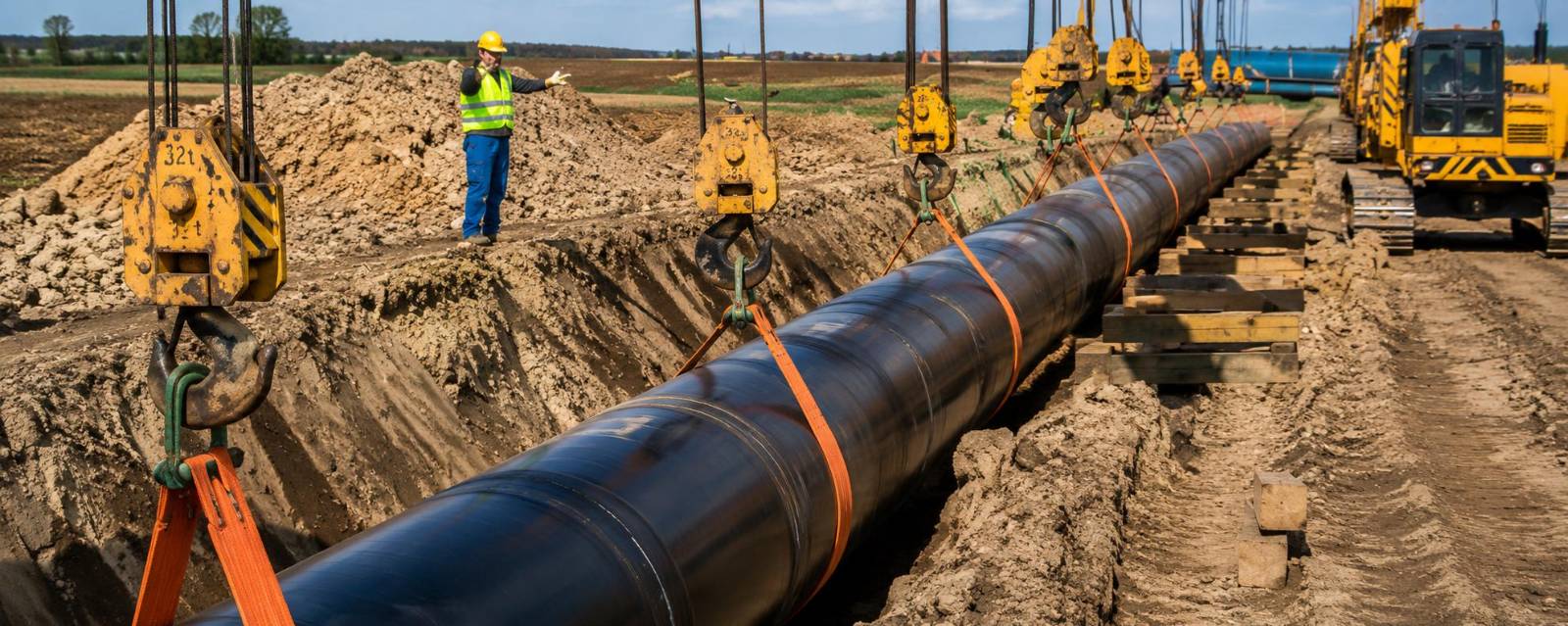
The cornerstone of the initiative is the rehabilitation of the railway line connecting the Port of Lomé to the Adétikopé Industrial Platform (PIA). Conceptually, shifting freight from congested roads to rail promises efficiency gains and reduced pressure on the capital’s arteries. However, Togo’s railway history reads like a cautionary tale—decades of neglect, chronic underinvestment, and political short-termism have left a trail of abandoned infrastructure and broken promises. Entrusting the management of such a complex, high-stakes project to Togo’s bureaucratic apparatus feels less like strategic investment and more like rolling the dice.
The country has earned a reputation for glacial structural reforms and inefficient public spending. Allocating $200 million without first verifying whether the administration possesses the competence, transparency, and fiscal discipline to manage such funds is not just premature—it borders on recklessness. At best, it’s a gamble with taxpayers’ money; at worst, it rewards systemic mismanagement.
From logistics hub to financial sieve?
Togo has long positioned itself as the gateway to the Sahel, with the Lomé-Ouagadougou-Niamey corridor touted as a vital trade artery. The reality, however, is far from ideal: bloated bureaucracy, cumbersome customs procedures, and a culture of systemic corruption that chokes economic vitality at every turn. Despite its technical prowess, the Port of Lomé remains mired in scandals involving embezzlement and favoritism, exposing just how porous the financial circuits remain.
Pouring fresh capital into infrastructure without first sanitizing the business environment is like treating symptoms while ignoring the disease. As long as nepotism and political stagnation paralyze institutions, international funds risk being siphoned into patronage networks rather than fueling real economic growth. By failing to tie funding to stringent anti-corruption measures, the international community risks becoming an unwitting enabler of Togo’s economic stagnation.
The blind spot of global lenders
The World Bank’s decision to inject such a massive sum raises serious questions about its due diligence. How can it justify such a substantial commitment when pressing social needs—healthcare, education, access to clean water—are consistently sidelined in national budgets? The administration of President Faure Gnassingbé is adept at crafting high-profile projects designed to impress donors, all while maintaining a fragile internal economic balance.
This $200 million infusion will only deepen Togo’s financial and moral debt without guaranteeing tangible returns for its citizens. For the country to be taken seriously on the global stage, it must first demonstrate a commitment to transparent resource management. Until then, this funding appears less like a strategic investment and more like a blank check handed to a government that treats resource capture as a form of statecraft.