African mediation intensifies efforts for eastern DRC peace
- Security
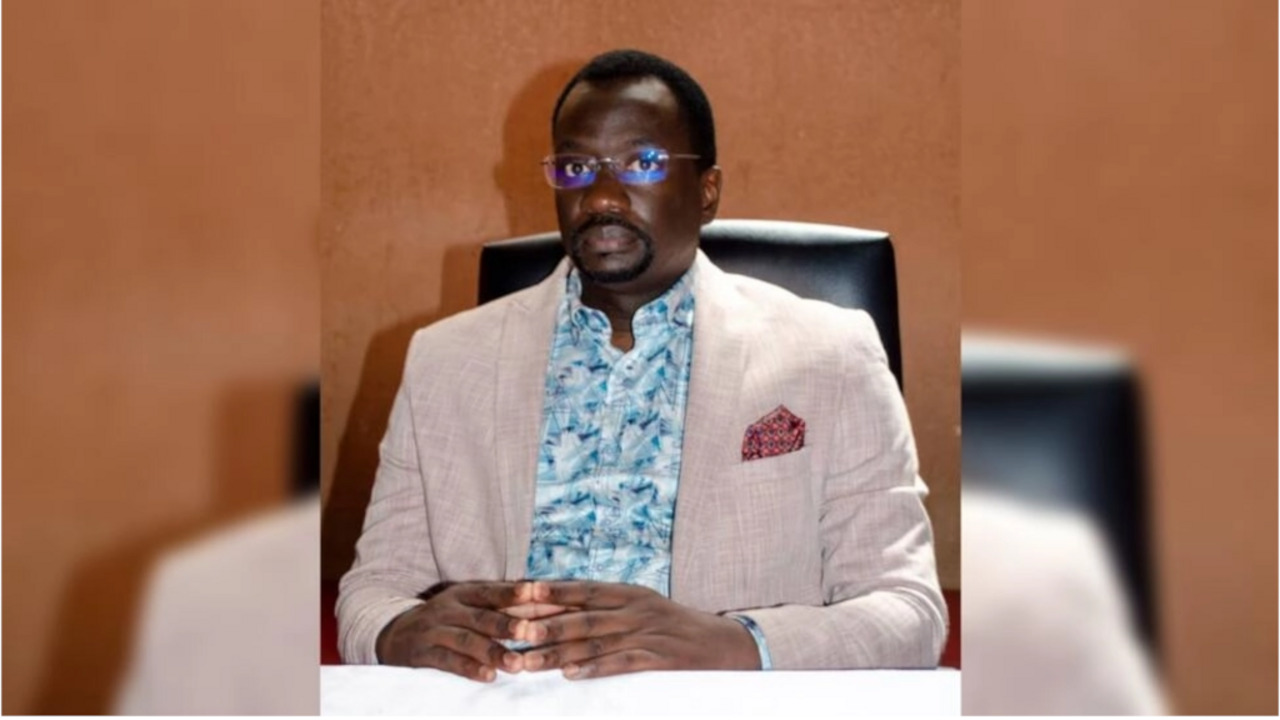
Significant progress has been achieved in strengthening African mediation efforts aimed at restoring peace in eastern Democratic Republic of Congo. This was highlighted during the technical session of the semi-annual evaluation meeting held on June 7-8, 2026, in Lomé, convened at the initiative of Togolese Prime Minister Faure Essozimna Gnassingbé. He serves as the African Union’s mediator for resolving the crisis in eastern DRC and the Great Lakes region.
Following the ministerial phase led by the Togolese Minister for Cooperation and Togolese Abroad, Yackoley Johnson, Prime Minister Gnassingbé chaired a session on Monday, June 8, dedicated to evaluating the semi-annual progress of African mediation activities.
The diplomatic gathering brought together the African Union-selected facilitators, alongside representatives from the United Nations, East African Community, Economic Community of Central African States, Southern African Development Community, International Conference on the Great Lakes Region, and the International Committee of the Red Cross.
According to the Togolese Presidency, Faure Essozimna Gnassingbé commended the presence of facilitators, regional organizations, and international partners at this evaluation meeting. He emphasized that their participation reflects a sustained commitment to peace, stability, and development in the Great Lakes region.
The AU mediator highlighted the progress made since the January Lomé meeting, which focused on enhancing coherence and consolidating various peace initiatives in DRC and the Great Lakes. He noted that these advances mark a crucial step toward improving coordination of diplomatic and political efforts for a sustainable solution to the crisis affecting eastern DRC.
“We have made significant strides since January in bringing greater order to the architecture of African mediation. I am convinced this meeting represents a major advancement in improving our collective action and finding lasting solutions to this crisis,” declared the African Union mediator.
Gnassingbé stressed the need to continue efforts to further strengthen coherence, complementarity, and coordination among the different mediation mechanisms engaged in the peace process across the region. He underscored the importance of maintaining a collective and sustained mobilization in support of stability, peace, and security in eastern DRC, emphasizing that only concerted action by regional, continental, and international actors will consolidate progress and foster the emergence of lasting peace in the Great Lakes.
“We will pursue this mission with humility, determination, and perseverance. Despite the challenges, we also see the presence of many goodwill actors ready to accompany us in this quest for peace,” he noted.
This latest meeting follows the high-level gathering on coherence and consolidation of the peace process in DRC, held January 16-17 in Lomé, Togo. Initiated by Faure Gnassingbé, as Chair of the Togolese Council of Ministers and principal mediator designated by the AU for eastern DRC, the meeting aimed to build trust, advance dialogue, and ensure adherence to commitments made by the various actors involved in the peace process.
The initiative brought together a panel of facilitators, including former heads of state, Togolese Foreign Minister Robert Dussey, representatives of the East African Community and Southern African Development Community, and several international partners. It built upon recent diplomatic efforts to restore stability in eastern DRC.
At the conclusion of these discussions, the African Union unveiled the mediation framework for the peace process in eastern DRC, as outlined in a document reviewed by this publication. According to the framework, the mediation is led by Togolese President Faure Gnassingbé, who serves as AU mediator. He is supported by a Togolese mediation support team comprising the Ministry of Foreign Affairs and the Republic’s presidency.
The framework also includes five co-facilitators, all former African heads of state, each tasked with specific thematic portfolios. Former Nigerian President Olusegun Obasanjo oversees military and security matters. Former Ethiopian President Sahle-Work Zewde handles humanitarian issues. Former Kenyan President Uhuru Kenyatta supervises dialogue with local armed groups. Former Botswana President Mokgweetsi Masisi manages regional economic cooperation, while former Central African Republic transitional President Catherine Samba-Panza leads civil society, reconciliation, and gender-related matters.
The structure also features an independent joint secretariat associating Togo, the AU, the East African Community, the Southern African Development Community, and the International Conference on the Great Lakes Region. The AU Commission is responsible for coordinating with international partners, including the United Nations, Qatar, the European Union, and the five permanent members of the UN Security Council.