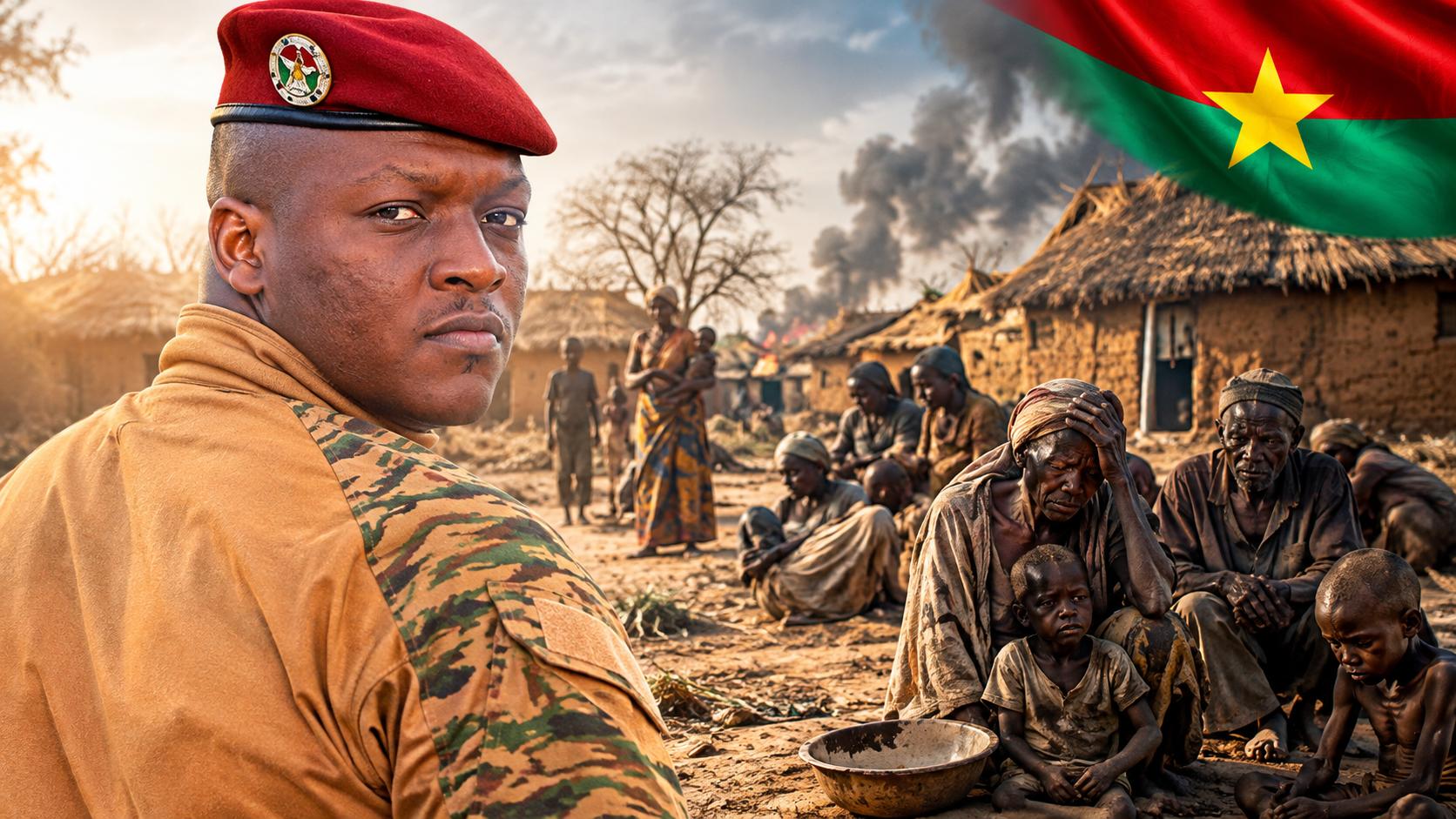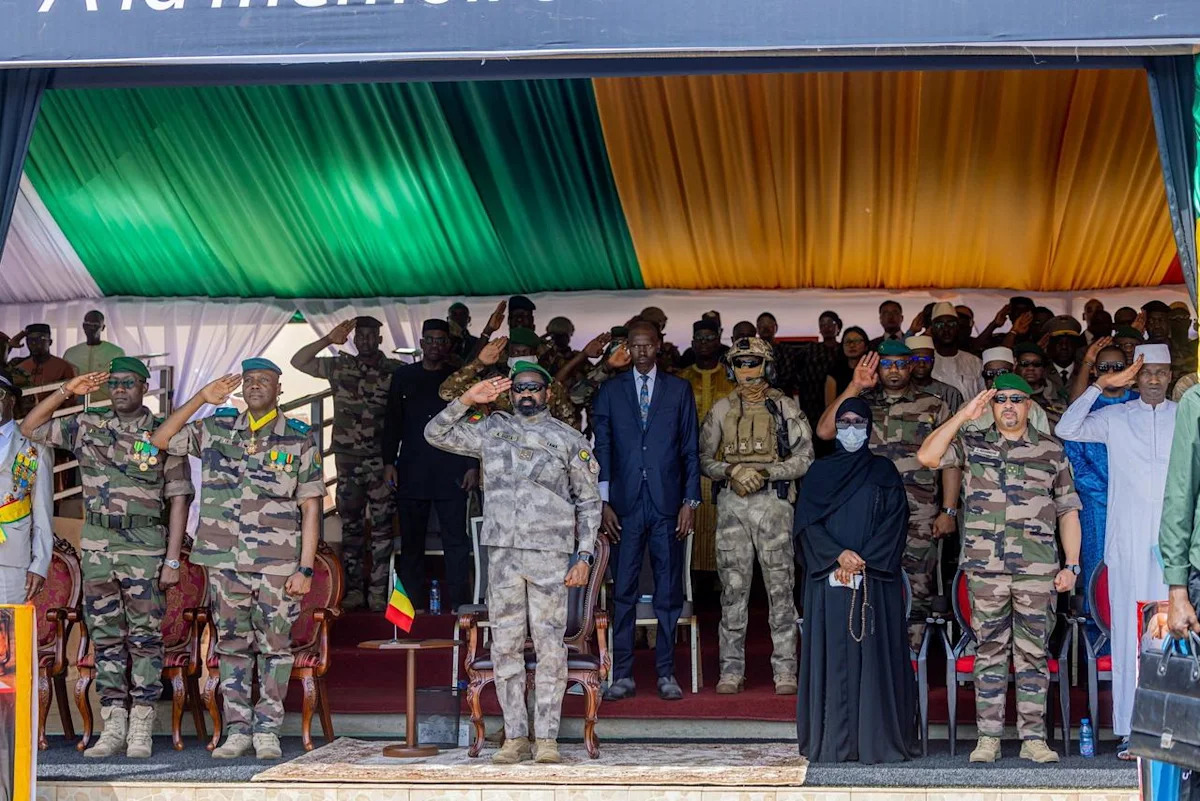
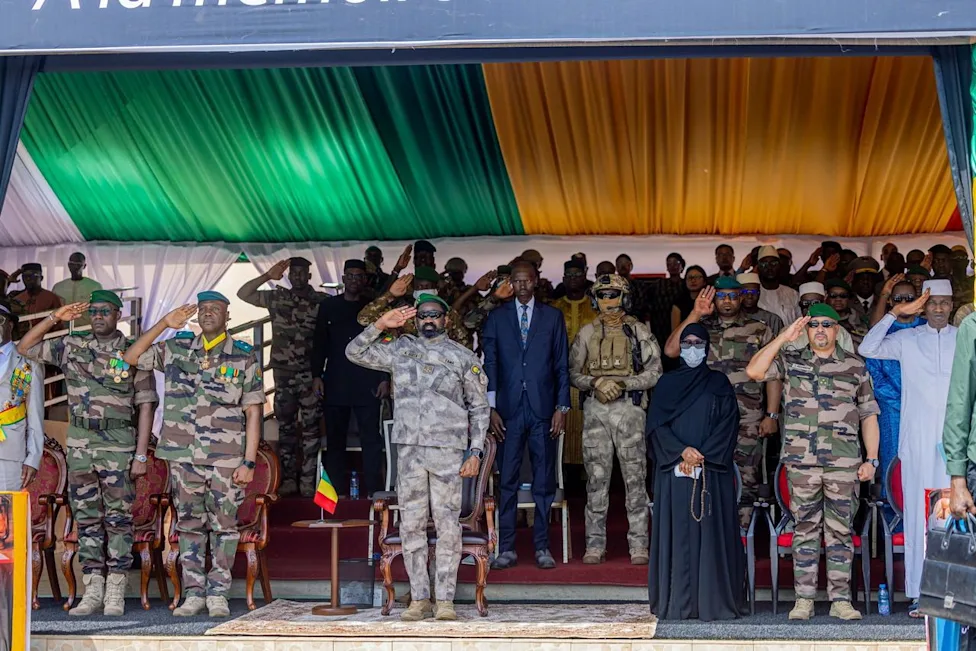
In February 2026, Bamako dismissed rumors of its ambassador’s return to Algiers as “utter fabrication,” accusing unnamed actors of spreading disinformation. Yet by July 10, the Malian transitional government reversed course, announcing the envoy’s reinstatement and the reopening of Algerian airspace to both civilian and military flights. Hours later, Algeria reciprocated, signaling the end of a year-long diplomatic freeze between the two nations.
Military shifts in northern Mali force diplomatic pragmatism
The abrupt thaw follows a dramatic shift in Mali’s northern front, where coordinated offensives since April 25, 2026, have reshaped the conflict landscape. The Tuareg-led Azawad Liberation Front (FLA) and the Group for the Support of Islam and Muslims (JNIM)—affiliated with Al-Qaeda—have set aside historic rivalries to target a common adversary: Bamako’s junta and its Russian-backed Africa Corps allies. The fall of Kidal, a strategic northern city, marked a turning point, culminating in the death of Mali’s Defense Minister Sadio Camara and exposing the fragility of the transitional government’s position.
These battlefield setbacks forced Bamako to reevaluate its regional alliances. While Mali had previously distanced itself from Algiers to avoid mirroring Niger’s diplomatic rapprochement with Algeria, the urgency of the northern crisis demanded a pragmatic pivot. By mid-July, the transitional authorities acknowledged the necessity of restoring ties with Algeria, a move swiftly reciprocated by Algiers.
Regional chessboard: Algeria’s strategic outreach
Algeria’s diplomatic overtures extended beyond Bamako, as Algiers simultaneously strengthened relations with Niamey and Ouagadougou. This broader engagement underscores Algeria’s intent to counterbalance external influences in the Sahel while positioning itself as a stabilizing force. For Bamako, the reinstatement of the Algerian ambassador and the reopening of airspace represent more than symbolic gestures—they signal a calculated realignment amid escalating regional instability.
The rapid normalization of relations highlights how geopolitical alliances in the Sahel are increasingly shaped by immediate security threats. For both capitals, the calculus is clear: cooperation now outweighs historical grievances as the northern conflict intensifies.