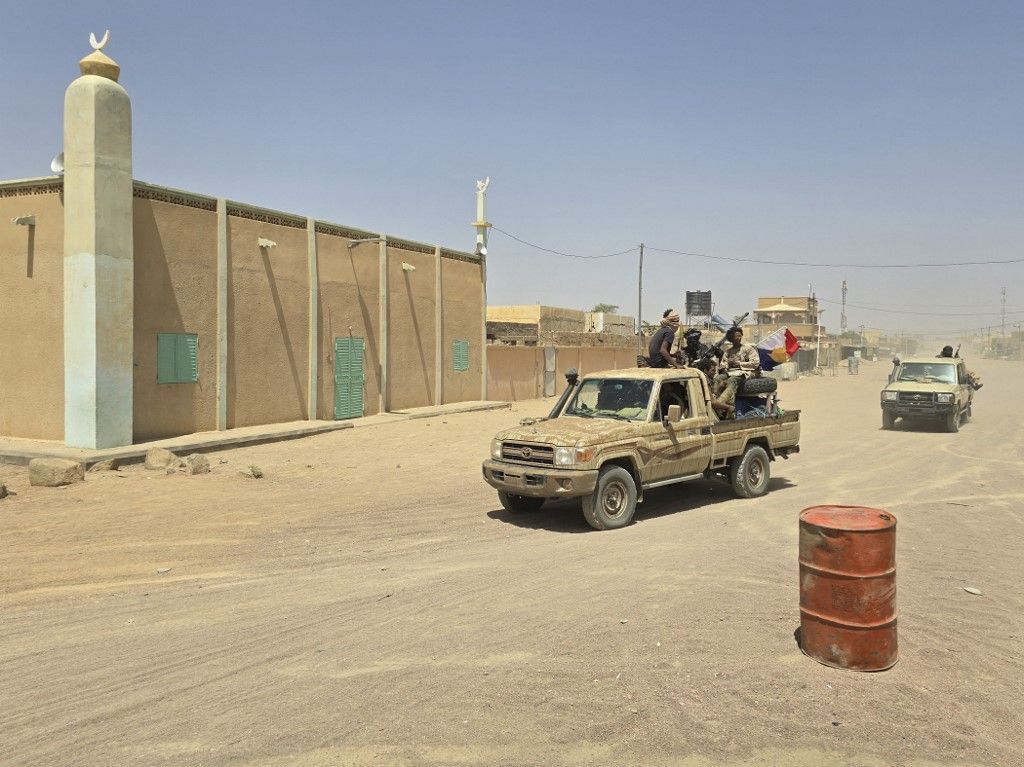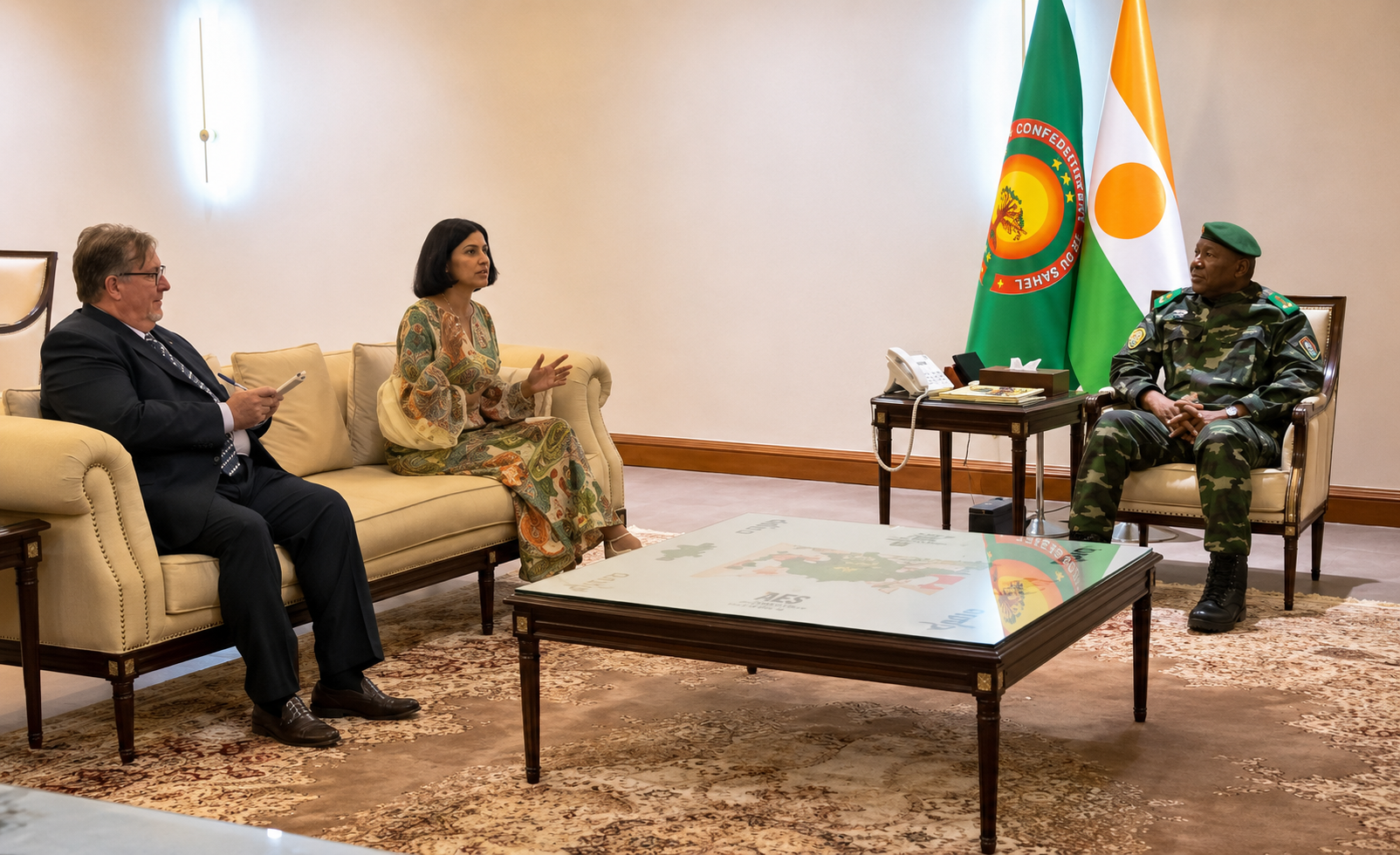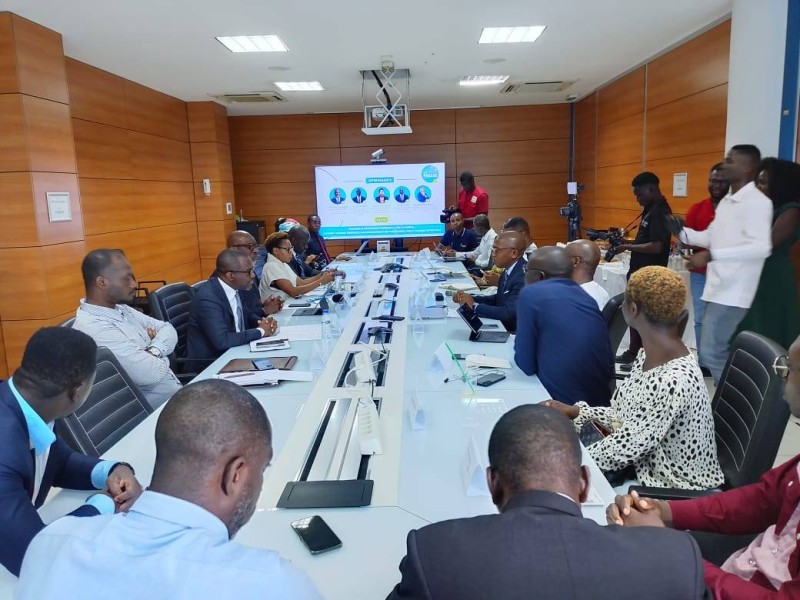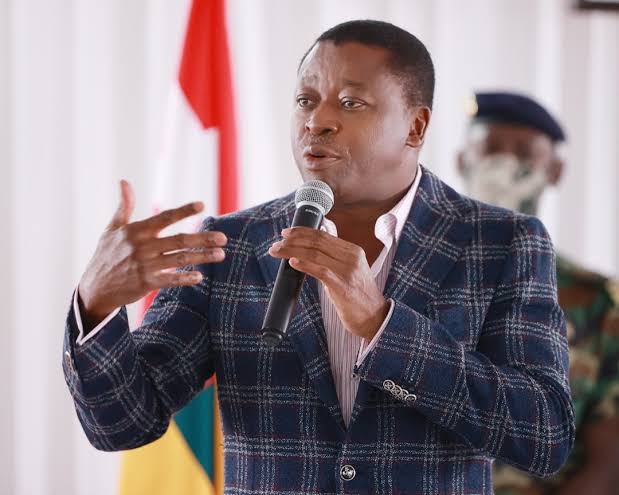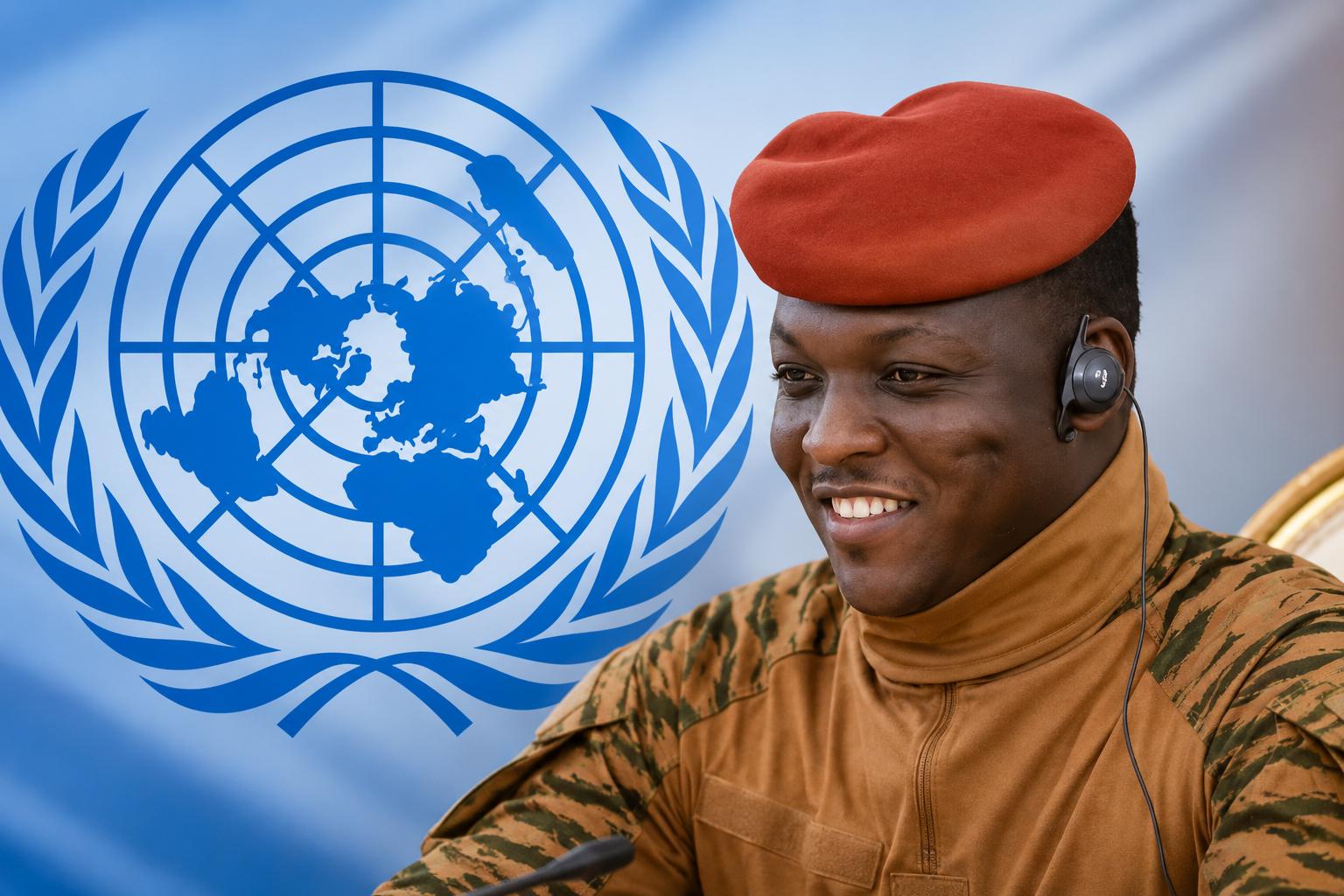
Burkina Faso stands at a critical juncture, its international standing eroded under the leadership of Captain Ibrahim Traoré, whose ascent to power through a coup in September 2022 has reshaped the nation’s diplomatic landscape in ways that defy conventional reasoning. The recent expulsion of the United Nations human rights office marks not an isolated incident but the culmination of a pattern: a leadership consumed by suspicion, resistant to scrutiny, and determined to sever the country’s ties with its historical allies.
From sovereignty to self-imposed isolation
The captain’s strategy is clear: by dismantling independent oversight, he seeks to control the narrative surrounding Burkina Faso’s security crisis. Each move—whether the abrupt break with the ECOWAS, the suppression of domestic and international media, or the undermining of the National Human Rights Commission (CNDH)—serves a single purpose: to eliminate all external witnesses to the state’s failures. The expulsion of the UN rights office is merely the latest step in this calculated retreat from accountability.
A governance built on fear and opacity
The regime’s approach leaves little room for doubt. Criticism is swiftly branded as treason, and partnerships with international bodies are treated as threats to national sovereignty. Yet, this rigid stance has done little to address the escalating security challenges facing the country. Instead, it has isolated Burkina Faso at a time when collaboration with global institutions could provide critical support in combating terrorism and restoring stability.
The human cost of diplomatic withdrawal
By severing ties with the UN and threatening to exit the International Criminal Court (ICC), the government is not only rejecting international cooperation but also denying its own citizens justice. The withdrawal of expert oversight in international humanitarian law leaves the Volunteer Defense Forces (VDP) and military operations without essential legal frameworks, risking unchecked impunity on the ground. This reckless policy risks turning public frustration inward, potentially playing into the hands of armed groups that thrive in ungoverned spaces.
For Captain Traoré, sovereignty appears to be a shield against accountability—a means to govern without oversight, laws, or consequences. Yet, history has shown that true sovereignty is not achieved through isolation but through engagement, transparency, and the rule of law. Burkina Faso’s current trajectory suggests a nation drifting further from stability, not through external pressures, but by the very choices of its leadership.