Why the Democratic Republic of Congo’s army has restricted smartphone use
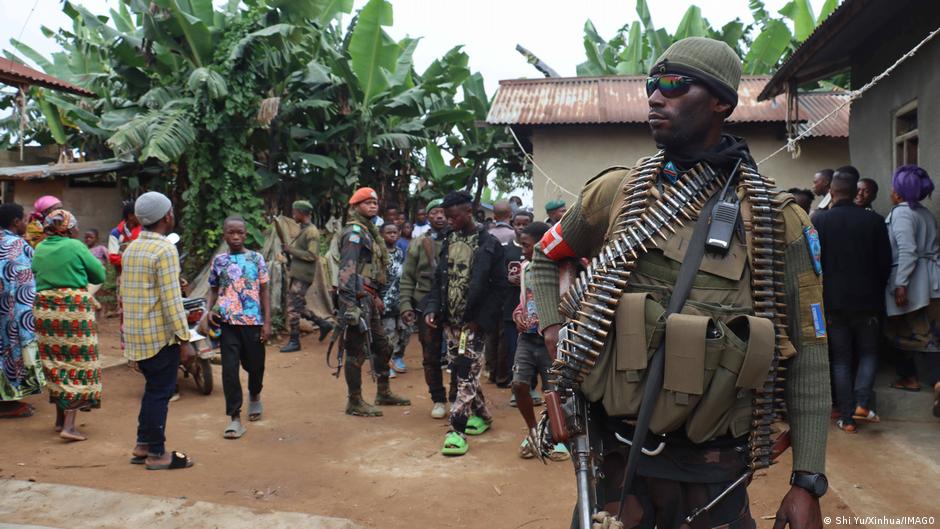
Military leaders in the Democratic Republic of Congo (DRC) have taken a decisive step to ban soldiers from using smartphones during operations, citing serious security risks and repeated mission failures in the eastern provinces. The move comes after widespread concerns that unchecked phone use compromised troop safety and operational secrecy.
In a recent interview, a 30-year-old sub-lieutenant serving in the Uvira-Fizi operational zone of South Kivu explained why many soldiers have grown accustomed to carrying phones into combat zones. “I bring my phone to stay in touch with my family,” he said. “Out here, every second counts. My loved ones need to know I’m still alive. But we’ll follow orders—as long as our commanders also stop ordering reckless retreats that weaken our defense.”
The military’s decision follows a wave of videos circulating on social media, showing Congolese troops and Wazalendo fighters either celebrating battlefield victories, pleading for reinforcements, complaining about logistical and financial shortages, or even fleeing combat zones. Such public disclosures are now seen as direct threats to national security.
Security risks and operational secrecy
In an official statement, acting spokesperson for the Armed Forces of the Democratic Republic of Congo (FARDC), Lieutenant Colonel Mak Hazukay, emphasized the dangers posed by smartphone use in active zones. “An active phone signal can reveal troop positions, enabling enemy forces to target our units with precision,” he warned. He urged all soldiers to refrain from sharing locations, movements, operational details, troop numbers, or combat footage via social media or messaging apps.
Kelvin Bwija, coordinator of the Congolese civil society organization Socico in Uvira, welcomed the ban. “This is a positive move,” he said. “Some FARDC soldiers were using their phones to communicate with enemies of the DRC and even relaying tactical instructions. As civil society, we fully support this decision.”
Balancing communication and duty
Human rights lawyer Aimé Bisimwa acknowledged the importance of mobile phones in daily life but stressed that military personnel must prioritize national security over personal communication. “Using a phone doesn’t violate anyone’s right to communicate,” he stated. “Soldiers worldwide understand that secrecy is part of their duty. No matter the circumstances, they have sworn to serve and, if necessary, make the ultimate sacrifice.”
Meanwhile, fighting continues across several villages in the highlands and plateaus of Mwenga and Fizi territories in South Kivu. The conflict pits the AFC/M23–Twirwaneho rebel coalition—backed by the Rwandan army—against the FARDC-Wazalendo alliance, supported by Burundian forces, according to multiple United Nations reports.