Moscow’s embrace and Ouagadougou’s strategic shift
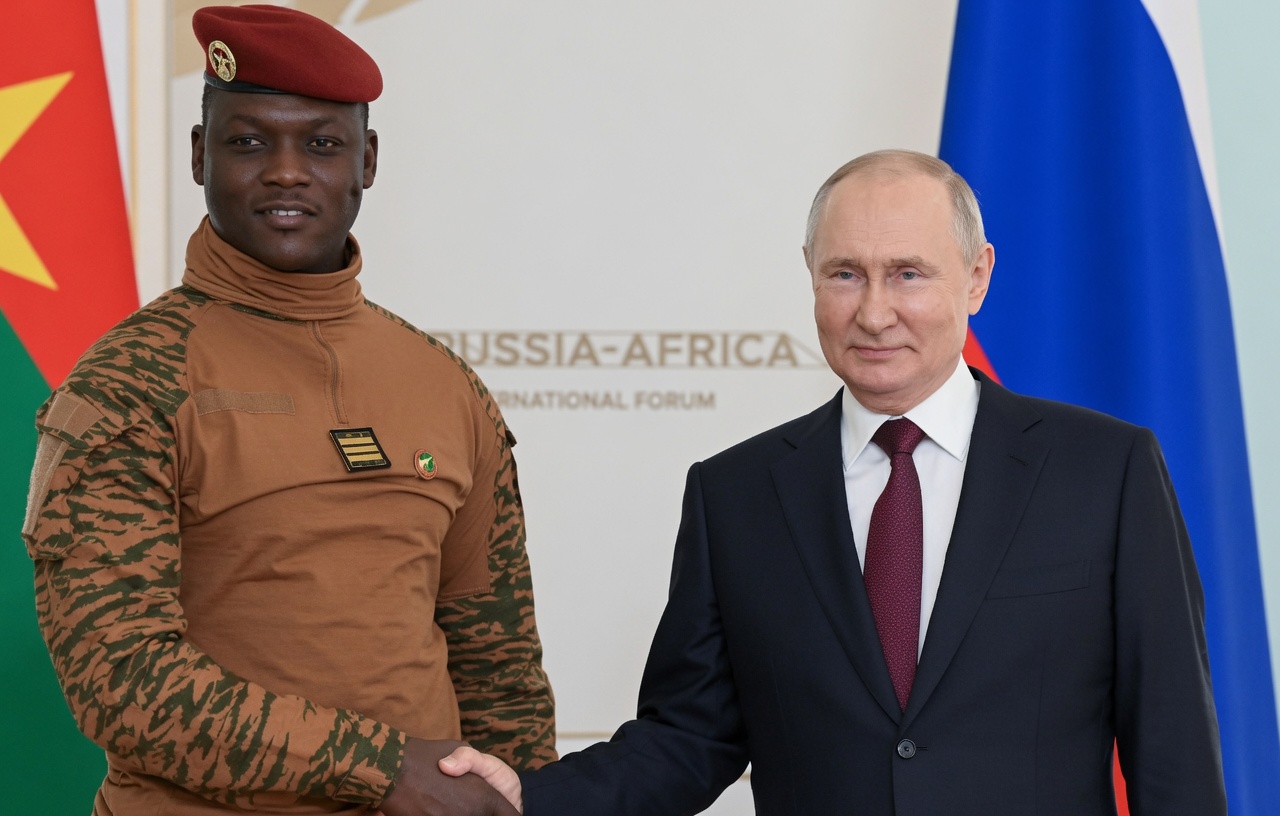
Since deepening ties with Russia, Burkina Faso’s leadership has increasingly framed Moscow as a key ally, one positioned to support the nation’s pursuit of both security and sovereignty. Official narratives emphasize a partnership built on mutual respect, the absence of political strings, and a so-called “win-win” dynamic. Yet beneath the polished rhetoric lie complexities that challenge the true depth and fairness of this alliance.
The assertion of regained sovereignty stands at the heart of Ouagadougou’s justification for pivoting toward Moscow. By diversifying its international relationships after ruptures with Western partners, Burkina Faso claims to have reclaimed control over its foreign policy decisions. However, swapping one dependency for another does not inherently translate into strengthened autonomy. True sovereignty requires not just the freedom to choose partners but also the ability to maintain decision-making independence, avoid monopolization by a single actor in critical sectors like defense or natural resources, and sustain a balanced approach to international cooperation.
Security promises fall short
The military cooperation with Russia has expanded, yet the country remains locked in a deadly cycle of violence. Deadly attacks persist across multiple regions, civilians continue to bear the brunt of insurgent violence, and mass displacements remain a grim reality. While Moscow’s support has bolstered Burkina Faso’s defense capabilities, it has not yet reversed the tide of instability. The persistent security crisis raises questions about whether this partnership alone can deliver the stability Ouagadougou so urgently needs.
Economic dividends remain elusive
Moscow has pledged future investments and opened new economic opportunities, yet concrete benefits for Burkina Faso’s economy are still scarce. Economic indicators remain strained, local businesses struggle under the weight of insecurity, disrupted supply chains, and reduced economic activity. The true measure of any partnership must extend beyond official announcements and focus instead on measurable outcomes for the people. On this front, tangible improvements have yet to materialize.
A particularly contentious arrangement involves the exchange of Burkina Faso’s gold reserves for Russian wheat—a move framed as a bold assertion of sovereignty. Yet this strategy raises serious concerns. If a nation must leverage its most valuable mineral resource to secure basic food supplies, does that not signal a failure to ensure food security independently? Such a trade-off suggests a dependency rather than empowerment, undermining the very concept of sovereignty it seeks to uphold. Real sovereignty is measured not only by the freedom to choose trading partners but also by the capacity to feed one’s population, transform local wealth into sustainable development, and improve living standards.
Education cooperation offers limited relief
One of the more promising aspects of this partnership is the opening of educational opportunities for Burkinabè students in Russia. These programs can contribute to building national expertise. However, their reach remains narrow, affecting only a small fraction of the population. They cannot, on their own, address the deep-rooted challenges facing Burkina Faso’s education system or the employment crisis facing young graduates.
No strings attached? A closer look
The claim that Russia imposes no conditions is also open to scrutiny. In international relations, no nation acts purely out of altruism. Every partnership serves strategic, economic, or geopolitical interests. Moscow is expanding its influence in Africa, shoring up diplomatic influence, and securing economic footholds amid Western sanctions. Framing this relationship as entirely selfless reflects political messaging more than geopolitical analysis.
Moreover, over-reliance on a single external partner carries risks. It can narrow diplomatic maneuverability, reduce attractiveness to diverse investors, and complicate Burkina Faso’s relationships with other global actors. In a multipolar world, genuine diversification means maintaining open channels with multiple partners—not merely replacing one bloc with another.
The ultimate test: impact on citizens
The real test of any international partnership lies in its impact on daily life. Sovereignty is not measured by diplomatic symbolism alone; it is reflected in improved security, access to essential services, economic growth, and opportunities for youth. On these fronts, the results have yet to match the promises.
Presenting the Burkina Faso-Russia partnership as unequivocally “win-win” is premature. While the alliance offers new diplomatic avenues, it has yet to prove it can address the country’s most pressing challenges. The true benchmark will be whether this realignment translates into lasting, tangible benefits for the Burkinabè people—or remains a strategic shift with benefits yet to be seen.