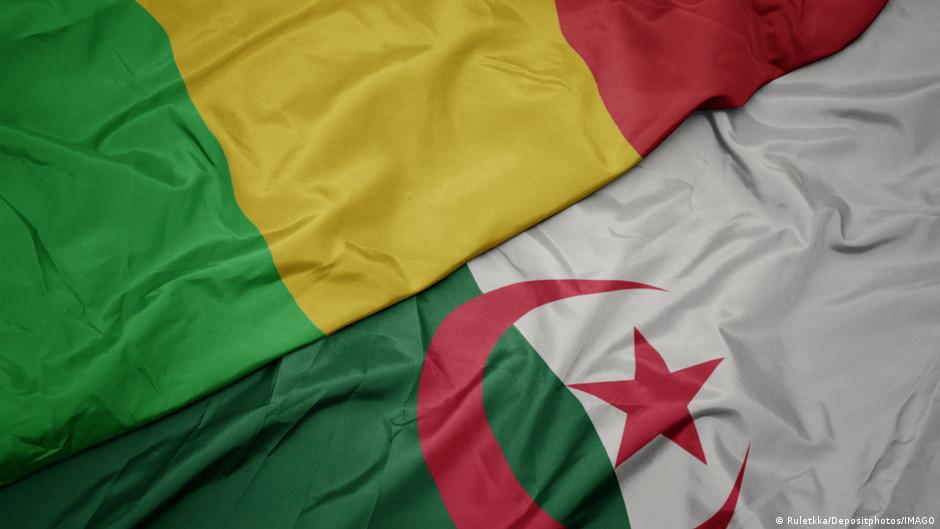
The diplomatic landscape between Bamako and Algiers is shifting, with both capitals now signaling a desire to move past months of strained relations. In Bamako, officials and civil society leaders express cautious optimism about the thaw, particularly as it could open doors to renewed cooperation on critical regional challenges.
From confrontation to conciliation
The early months of 2025 saw relations between Mali and Algeria reach a low point. On the night of March 31 to April 1, a Malian drone was shot down near Tinzawatene, a border town straddling the two nations’ 1,300-kilometer frontier. Bamako promptly escalated the incident, accusing Algiers of cross-border interference and alleged ties to armed groups operating in the Sahel.
Tensions had been building for months. In January 2024, Mali’s transitional authorities terminated the 2015 Algiers Peace and Reconciliation Accord, opting instead for a military-led approach to retake control of northern regions, including Kidal. Officials in Bamako later accused Algeria of harboring former rebel leaders from Kidal and prominent religious figure Mahmoud Dicko—known for his role in the 2020 ouster of former President Ibrahim Boubacar Keïta—who had fallen out of favor with the current military leadership.
Shared history and economic ties
Boubacar Mahamane Maïga, a member of the civil society collective *Une Voix pour Tombouctou*, sees the current détente as a return to deep-rooted bonds. “These are centuries-old, fraternal ties,” he says. “Algeria has long been the economic lifeline for Tombouctou. Historically, the trans-Saharan trade routes that sustained our city passed through Algerian territory. Even today, spices like *Tawabel* and onions from Touat in southern Algeria remain staples in our markets—tangible reminders of our interconnected heritage.”
Security cooperation on the horizon
For political analyst Kaou Abdrahamane Diallo, the warming relations offer a chance to address longstanding security concerns. “Mali cannot afford porous borders or instability in its northern reaches,” he notes. “We hope Algiers will join this thaw, restoring the strong, mutually beneficial partnership we once shared. Algeria has been a steadfast ally, and Mali has likewise supported Algeria in many ways. Rebuilding that trust is essential for regional stability.”
Behind the scenes, the thaw has been facilitated by Russian mediation, with Foreign Minister Sergei Lavrov underscoring the importance of maintaining unity among allies to preserve stability in the Sahel. For Moscow, a stable Sahel is a strategic priority—one that hinges on strong, cooperative relationships among regional players.
Looking ahead
While the path forward remains uncertain, the momentum toward reconciliation signals a potential shift in the region’s diplomatic dynamics. For Malians, the promise of restored economic and security cooperation with Algeria could not come at a more critical time.