In February 2026, Bamako dismissed as “fake news” reports suggesting its ambassador would return to Algiers. By early July, the opposite happened: Mali’s transitional government officially announced the envoy’s return, along with the reopening of Algerian airspace to Malian flights. This abrupt shift followed a sharp deterioration of the security situation in northern Mali, where rebel groups and jihadist factions had intensified their attacks on government forces.
On February 19, Mali’s Foreign Ministry issued a firm denial. Social media had been abuzz with claims that Bamako was preparing to restore ties with Algiers, allegedly after mediation efforts by Niger. The government dismissed the rumors as “completely baseless”, accusing “ill-intentioned actors” of attempting to sow discord. The message was clear: Mali would not be seen as following Niger’s lead in rekindling relations with Algeria.
By July 10, the stance had changed entirely. Through official communiqué 2026-003, the Malian government confirmed the ambassador’s return to Algiers and the resumption of air traffic between the two countries. Hours later, Algeria reciprocated by normalizing its own diplomatic presence in Bamako. Within a single day, both nations closed the chapter on over a year of frozen relations.
Northern Mali’s escalating conflict reshapes regional dynamics
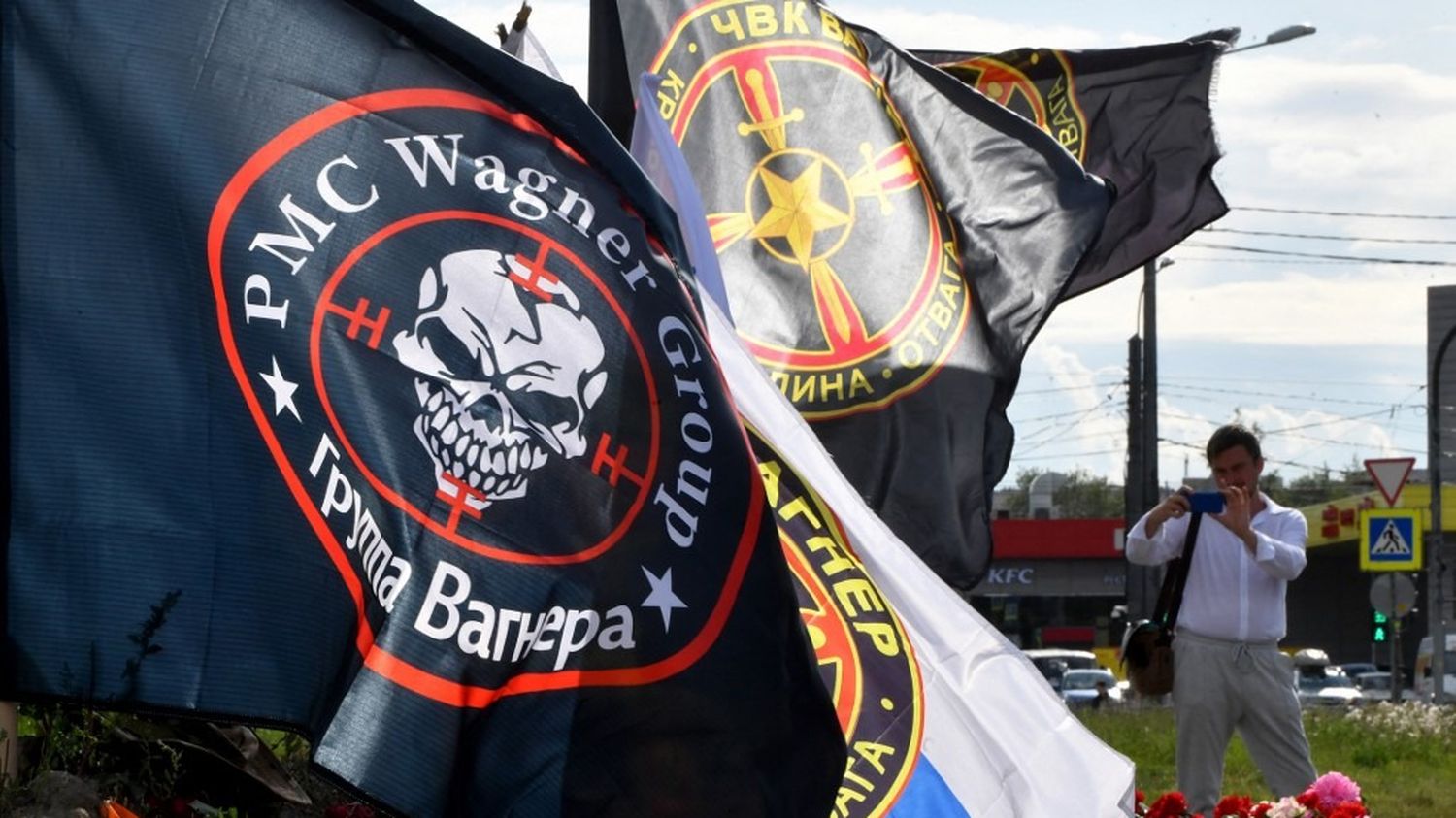
The timing of this reconciliation cannot be separated from the unfolding crisis in northern Mali. Since a coordinated offensive on April 25, 2026, the region has entered a new phase of instability. The National Movement for the Liberation of Azawad (MNLA), a predominantly Tuareg group, and the Support Group for Islam and Muslims (JNIM), an Al-Qaeda affiliate, have set aside their rivalry to target a common enemy: Bamako’s transitional authorities and their Russian-backed Africa Corps allies. This surge in violence claimed the life of Mali’s Defense Minister, Sadio Camara, and placed the city of Kidal at the center of the conflict after rebel forces reclaimed control.
The pressure did not ease. On July 4, simultaneous attacks struck multiple locations, including Gao, Anéfis, Aguelhok, Sévaré, and Kéniéroba. A prison in Kéniéroba, just 60 kilometers from Bamako, became a focal point. The most critical clashes centered on Anéfis, a strategic crossroads between government-held Gao and rebel-dominated Kidal. For Bamako, losing this position would have further weakened its already fragile grip on the northeast.
Malian forces, reinforced by the Africa Corps, later claimed to have broken the siege around Anéfis following a major convoy arrival from Gao. The MNLA acknowledged a tactical withdrawal but framed it as a strategic retreat. While independent verification remains challenging, one fact is undeniable: Bamako faces mounting pressure along its northern borders.
1,400 kilometers of shared vulnerabilities
Algeria shares a 1,400-kilometer border with Mali, much of which runs through the vast Sahara where armed groups operate with impunity. Controlling this terrain is impossible without regional cooperation, making Algeria a pivotal player in Mali’s security equation. Algiers has long been the primary mediator between Bamako and northern movements, culminating in the 2015 Algiers Peace Agreement—a deal the current Malian junta repudiated in January 2024.
Relations plummeted further after a Malian drone was shot down near the Algerian border town of Tin Zaouatine in April 2025, prompting mutual ambassador recalls and airspace closures. Yet, despite these tensions, Algeria remains the only neighbor capable of influencing the balance in northern Mali. By restoring diplomatic channels, Bamako acknowledges that it cannot resolve this crisis alone—or solely through military means.
Mali aligns with Niamey and Ouagadougou
Mali had stood apart within the Alliance of Sahel States (AES). Niger had already reopened ties in February, dispatching its ambassador back to Algiers and hosting a visit from General Abdourahamane Tiani. Burkina Faso, meanwhile, had pursued economic rapprochement with Algeria, particularly in energy and mining. Until July 10, Bamako remained the outlier in this trilateral bloc.
This isolation became unsustainable. The AES emphasizes solidarity, yet all three nations face persistent insecurity, reliance on external partners, and a pressing need to reopen regional channels. For Niamey and Ouagadougou, Algeria’s influence extends beyond borders—into security and energy sectors. Bamako’s decision to follow suit signals a pragmatic shift toward multilateral engagement.
From Algiers’ perspective, this normalization aligns with President Abdelmadjid Tebboune’s patient strategy. Instead of pressuring Mali, Algeria first restored ties with Niger and deepened economic exchanges with Burkina Faso. In April, Foreign Minister Ahmed Attaf reaffirmed Algeria’s commitment to Mali’s unity and opposition to terrorism. By early May, Tebboune had signaled readiness to assist—provided Bamako sought cooperation. The return of ambassadors now provides the framework for this engagement.
By choosing reconciliation amid ongoing military strain, Bamako implicitly admits that it cannot address a conflict spilling across its borders through force alone. The February denial reflected a hardline stance; the July communiqué reveals the limits of that approach.