From diplomatic declarations to concrete economic breakthroughs
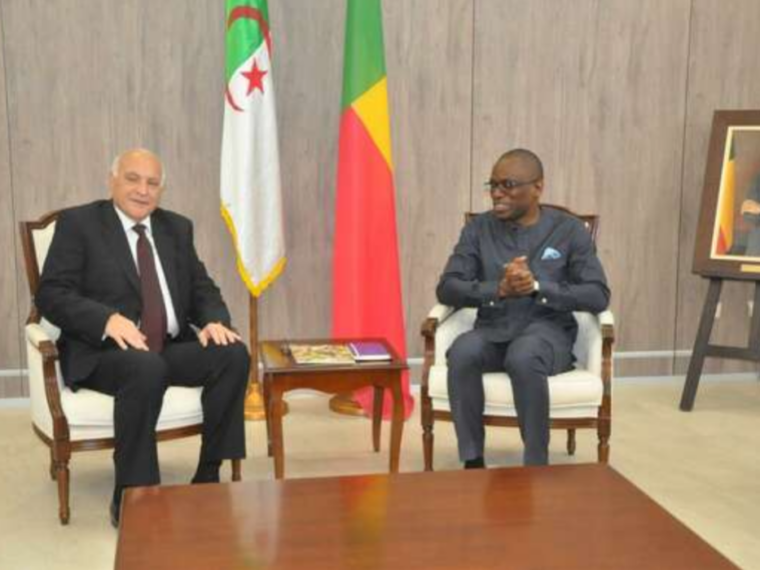
When Algeria dispatched a high-powered multisectoral delegation to the Benin Deal Room 2026 in Cotonou, the move signaled more than just another trade mission. It marked a decisive pivot in Algiers’ African strategy—one where economic diplomacy takes center stage over traditional political posturing. The three-day forum, running from September 16 to 18, brought together institutional investors, development financiers, project holders, and public officials to showcase over 20 investment opportunities valued between $2 billion and $3 billion across agro-industry, manufacturing, logistics, and energy sectors.
A new model for South-South cooperation in action
The Algerian presence wasn’t merely symbolic. A delegation featuring senior figures from pharmaceutical giant Saidal, Sonelgaz subsidiary SAIEG, and renewable energy leaders went beyond networking to forge direct partnerships. Their objective? To move beyond exporting finished goods and instead establish local production hubs, technology transfers, and supply-chain integration across West Africa.
The pharmaceutical sector emerged as a prime candidate for this model. With Algeria’s state-of-the-art production capabilities in generics and vaccines, the country could supply regional needs while building manufacturing plants in countries like Benin, reducing reliance on imports from Europe and Asia. Energy represents another frontier: Sonelgaz’s expertise in grid management, renewable integration, and off-grid solutions could electrify remote Sahelian zones where grid access remains below 30%.
Pharmaceuticals: exporting health security
The Algerian pharmaceutical industry has grown significantly in recent years, meeting over 70% of domestic drug demand. This self-sufficiency presents an opportunity to supply neighboring markets through:
- Direct export of essential medicines
- Local production partnerships in countries with high disease burdens
- Joint ventures to establish regional pharmaceutical clusters
Renewable energy: electrifying the Sahel
With solar irradiance levels among the highest globally, Algeria’s solar program could be replicated across the Sahel. Key opportunities include:
- Mini-grid installations for off-grid communities
- Hybrid systems combining solar with battery storage
- Training programs for African engineers in renewable technologies
The paradox blocking regional integration
Yet Algeria’s ambitions face a glaring contradiction: while Algiers deepens cooperation with Niamey—launching the Trans-Saharan Gas Pipeline and initiating oil block drilling in Agadez—the Niger-Benin border remains sealed. This closure, stemming from the July 2023 coup in Niamey, has created a bottleneck for West African trade flows that once relied on Cotonou as the primary maritime gateway for landlocked nations.
For Niger, the border closure means:
- Extended transit times for goods through alternative routes
- Increased logistics costs by up to 40% for essential imports
- Disrupted supply chains for agricultural and manufactured goods
Corridors that could reconnect North and West Africa
The solution may lie in the very infrastructure Algeria is helping build. The Trans-Saharan Gas Pipeline and the Algiers-Lagos highway could serve as lifelines if:
- Security protocols are established along trade routes
- Bilateral agreements facilitate transit corridors
- Customs procedures are harmonized to reduce border delays
Such developments would transform Algeria from an export-oriented player into a regional integrator—creating jobs, reducing costs, and fostering economic resilience across the Sahel.
Cotonou’s deal room as a litmus test for African ownership
The true significance of Algeria’s participation lies in its rejection of passive market-seeking behavior. Instead, the Algerian approach embodies a generational shift in South-South cooperation—one where:
- Investments precede exports
- Industrial partnerships replace commodity sales
- African capital finances African development
This model requires buy-in from all parties. Benin gains industrialization capital. Niger secures energy revenues and trade routes. Algeria establishes permanent footholds in growing markets. Together, they could demonstrate that African solutions to African problems are not just possible—they’re already in motion.
Beyond Cotonou: the road to sustainable African value chains
The next phase demands action beyond handshakes in Deal Rooms. Algeria’s roadmap to success includes:
- Finalizing memoranda of understanding signed in Cotonou into binding contracts
- Establishing joint ventures with Beninese firms in pharmaceuticals and energy
- Launching pilot projects in renewable energy and local manufacturing
- Advocating for border reopening through regional forums like ECOWAS
The momentum from Cotonou presents an unprecedented opportunity. Whether Algeria and its partners seize it may well determine whether Africa’s much-touted South-South cooperation remains rhetoric—or becomes reality.