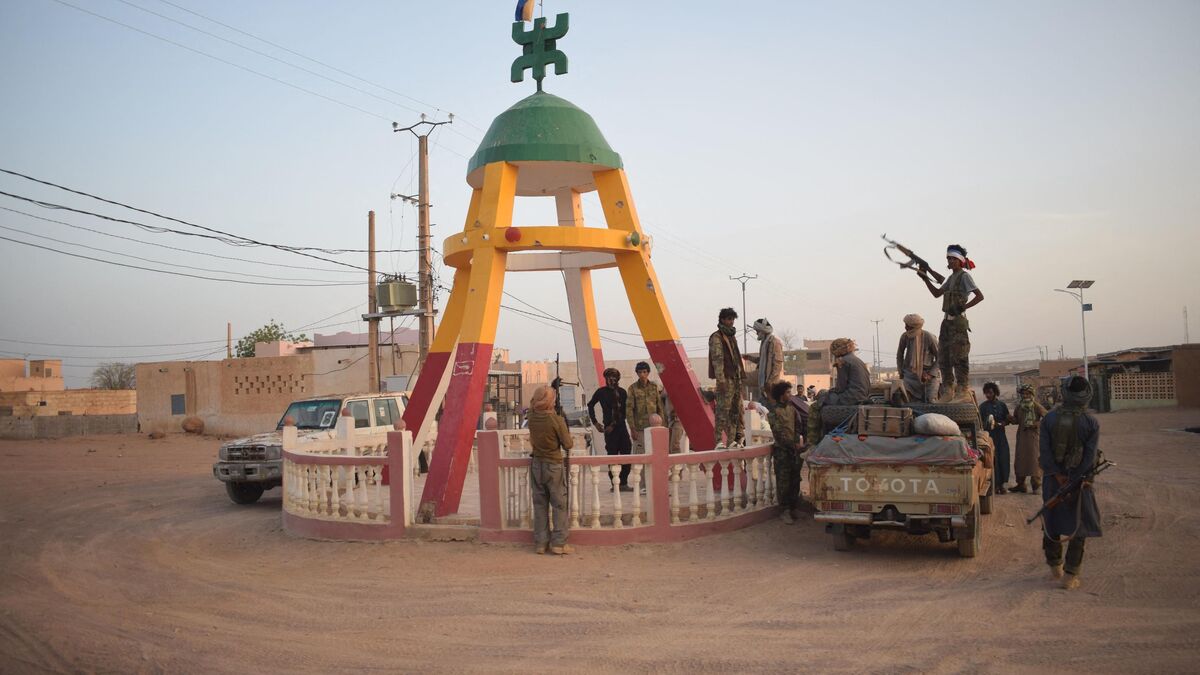
Over the past few weeks, Algiers has significantly shifted its approach toward Bamako and Niamey, seeking to mend strained relations and counter Morocco’s growing footprint in the Sahel. After fifteen months of diplomatic standoff with Mali, Algeria restored full ties and reopened its airspace to Malian aircraft. In Niger, cooperation has deepened further, marked by military aid, renewed energy projects, and the resumption of joint oil trade. These moves reflect Algeria’s urgent need to reclaim its waning influence in a region where Rabat is rapidly consolidating its economic and political presence.
Diplomatic thaw with Bamako signals Algeria’s strategic pivot
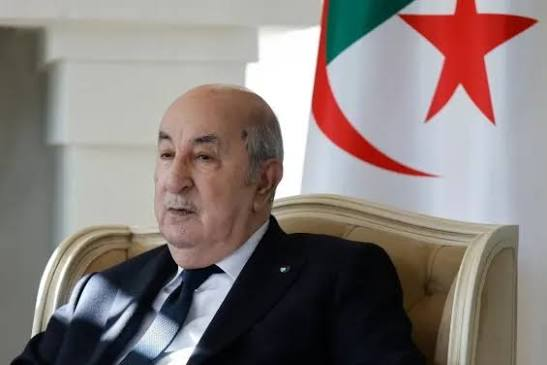
Algeria’s decision to normalize relations with Mali marks a decisive shift in its regional strategy. On July 10, both countries reinstated their ambassadors, and Mali reopened its airspace to Algerian flights—ending a confrontation that had plunged relations to a historic low. The breakthrough was underscored in early August when Malian Prime Minister Abdoulaye Maïga highlighted a «complete convergence of views» with Algerian President Abdelmadjid Tebboune, particularly on «sovereignty and non-interference in internal affairs». For Algiers, this rapprochement is more than a bilateral fix; it’s a chance to re-engage with the Alliance of Sahel States (AES), where Mali holds pivotal sway. The rupture in 2024 had starkly exposed Algeria’s fading clout, making this reset a matter of urgency.
Niger emerges as Algeria’s key partner in Sahel realignment
Algeria’s outreach to Niger has taken a more concrete form. On August 9, it delivered four helicopters—two Mi-24V attack choppers and two Mi-171 transport aircraft—along with spare parts, maintenance kits, and ammunition. Shortly after, Algeria’s prime minister traveled to Niamey to launch exploratory drilling at the Kafra Sud-Est 1 oil site, while Sonatrach and Niger’s Société nigérienne des produits pétroliers (Sonidep) announced their first joint crude oil sale. This multi-pronged engagement—military, energy, and economic—signals Algeria’s determination to secure a strategic foothold in Niger, a critical AES member.
Sahel rivalry intensifies as Morocco gains ground
The scramble for influence in the Sahel has intensified as Mali, Niger, and Burkina Faso deepen ties with Russia, distance themselves from Western partners, and forge their own diplomatic blocs. This shifting landscape presents both a challenge and an opportunity for Algeria. While the AES seeks to reduce dependence on Paris and other Western capitals, Algiers faces stiff competition from Morocco, which has methodically built ties through religious outreach, infrastructure investments, and Atlantic-facing trade. Analysts note that Morocco’s strategy hinges on creating durable interdependencies, whereas Algeria’s response often feels reactive—focused on countering Rabat rather than offering a distinct value proposition.
Mali’s reconciliation: a test for Algeria’s regional credibility
The restoration of ties with Bamako follows a bruising 2024-25 standoff, sparked by Mali’s rejection of the 2015 peace accord and Algeria’s interception of a Malian drone near Tinzaouaten. The crisis escalated when Mali withdrew its ambassador and took the dispute to the International Court of Justice, while Algeria dismissed the court’s jurisdiction. July’s normalization, therefore, represents a major reversal. Beyond administrative fixes, Mali’s reference to a «complete convergence» with Algeria suggests deeper alignment on security and political futures—especially with Niger playing a mediating role. Observers suggest Moscow’s involvement may have smoothed the path, but the real test lies in whether Algiers can translate this thaw into lasting influence.
Economic and military levers define Algeria’s Sahel comeback
Algeria’s strategy in Niger exemplifies its new approach: military support (the helicopter deliveries), energy cooperation (the Kafra drilling project), and joint ventures (the first oil sales). These moves follow a March agreement where both nations labeled their relations «strategically irreversible» and pledged to expand cooperation across energy, transport, health, and infrastructure. Yet challenges remain. Security threats from armed groups near Algeria’s southern borders make stability in Niger and Mali a domestic concern, not just a diplomatic one. To sustain influence, Algiers must pair its military and energy investments with tangible development benefits—something Morocco has done with greater consistency.
Morocco’s head start complicates Algeria’s recovery
Algeria’s struggle to regain ground is compounded by Morocco’s early gains. In April, Mali withdrew recognition of the Polisario Front’s self-proclaimed government and endorsed «Morocco’s autonomy plan» as a credible solution for Western Sahara. The AES’s growing ties with Rabat have shifted the regional balance in Morocco’s favor, forcing Algiers into a defensive posture. Rather than advancing its own agenda, Algeria now appears focused on neutralizing Morocco’s progress—whether by reviving old alliances or blocking Rabat’s initiatives. This reactive mindset risks undermining Algeria’s long-term credibility, as its Sahel policy increasingly revolves around thwarting its neighbor rather than offering a compelling alternative.
A fragile recovery in a competitive region
Algeria’s current push to reclaim lost ground in the Sahel is driven by necessity rather than ambition. After losing its mediator role in Mali, Algiers is rebuilding through bilateral deals, energy projects, and security ties—with Niger as its flagship partner and Mali as the diplomatic proving ground. Burkina Faso remains a secondary player in this equation. The strategy’s fragility lies in its narrow focus: Algerian officials often measure success by how much they limit Morocco’s gains rather than by the tangible benefits delivered to Sahel states. For lasting influence, Algeria must move beyond rivalry and present a vision that addresses the region’s needs—not just counters its adversaries.