
A tragic collapse in Kéniéty, within the Kayes region, claimed six women’s lives on a friday in January 2026. Yet behind this heartbreaking event lies a grim truth: extreme financial hardship forces mothers into daily battles against death.
Mothers risking everything to fight hunger
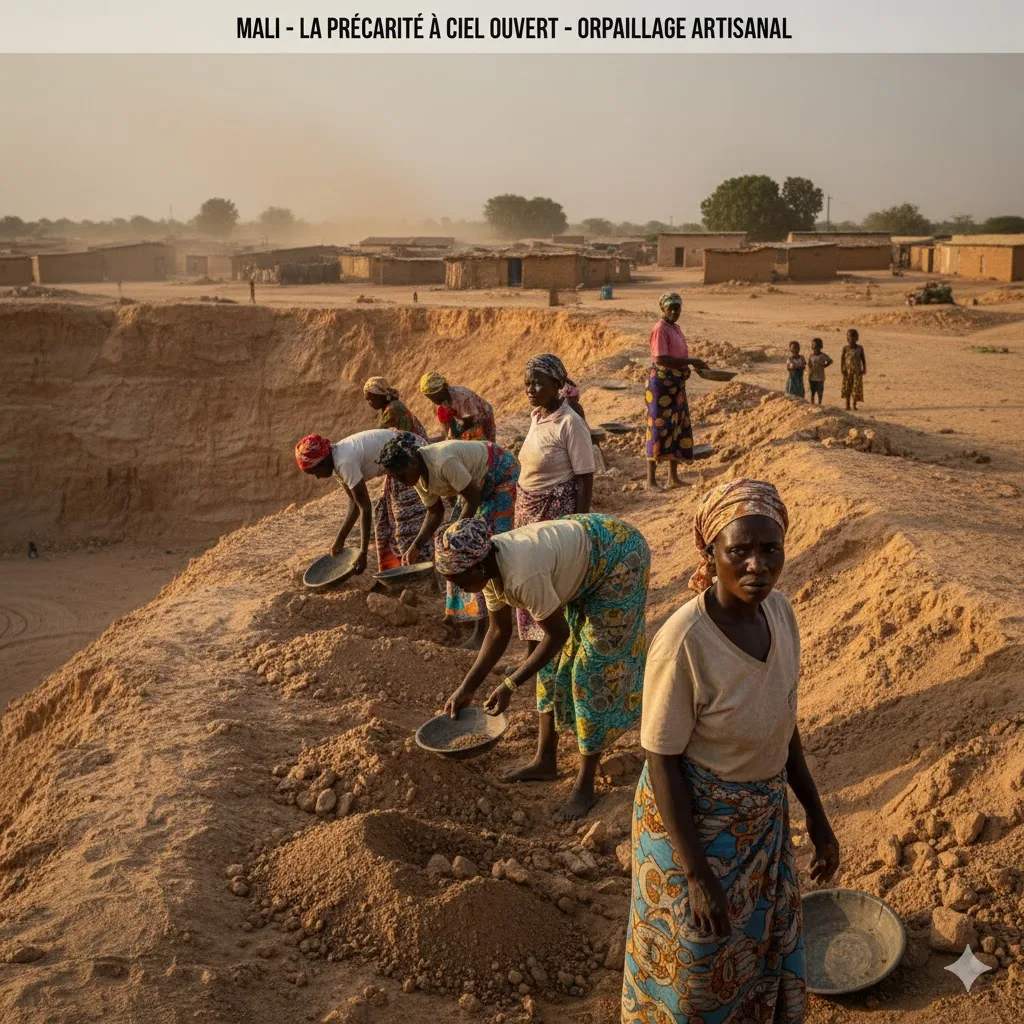
The presence of women on these precarious artisanal gold mining sites isn’t a free choice, but a desperate survival tactic. Pushed by the absolute necessity to feed their children and cover basic household expenses, they endure work conditions that defy human comprehension. In areas like Kéniéba, it’s common to see mothers labouring for over 12 exhausting hours under scorching sunlight, extracting mere grams of precious metal, just to survive another day.
An endless cycle of extreme vulnerability
The dangers these women face extend far beyond dramatic collapses. Driven by their economic fragility, they become the first victims of a toxic blend of health hazards and social exploitation. Without any protection, they handle highly poisonous substances such as mercury, risking irreversible illnesses. Their relentless pursuit of gold also exposes them to gender-based violence and other forms of exploitation across these sites.
The Kéniéty tragedy, where six women including two married ones perished, perfectly encapsulates this cycle. While scraping the walls of an abandoned Chinese mine in search of tiny gold flakes, they were suddenly caught in a sudden earth-shattering collapse. Despite the valiant efforts of local rescuers working with limited resources, the sheer weight of the earth proved stronger than hope.
Demanding urgent economic alternatives
For communities in Dialafara, managing the aftermath of mining has turned into a critical public safety issue. The sight of mining companies abandoning the region while leaving behind gaping, unstable craters serves as a deadly invitation for the poorest populations. Systematic backfilling and reinforcement of mining sites after extraction is now being demanded as a vital protective measure to prevent women from risking their lives in these perilous zones.
Beyond the mere securing of mining infrastructures, the pressing question of women’s economic empowerment remains unaddressed. The transitional authorities, through their social services, are being called upon to strengthen the capacities of these vulnerable women. By providing them with viable income-generating alternatives, they could steer clear of the deadly allure of artisanal gold mining.
Without a genuine and sustainable alternative to the commerce of gold, poverty will continue to claim victims from the very depths of Malian soil. The fight against this silent killer demands immediate action across multiple fronts.