West Africa faces hunger crisis as violence and budget cuts deepen food insecurity
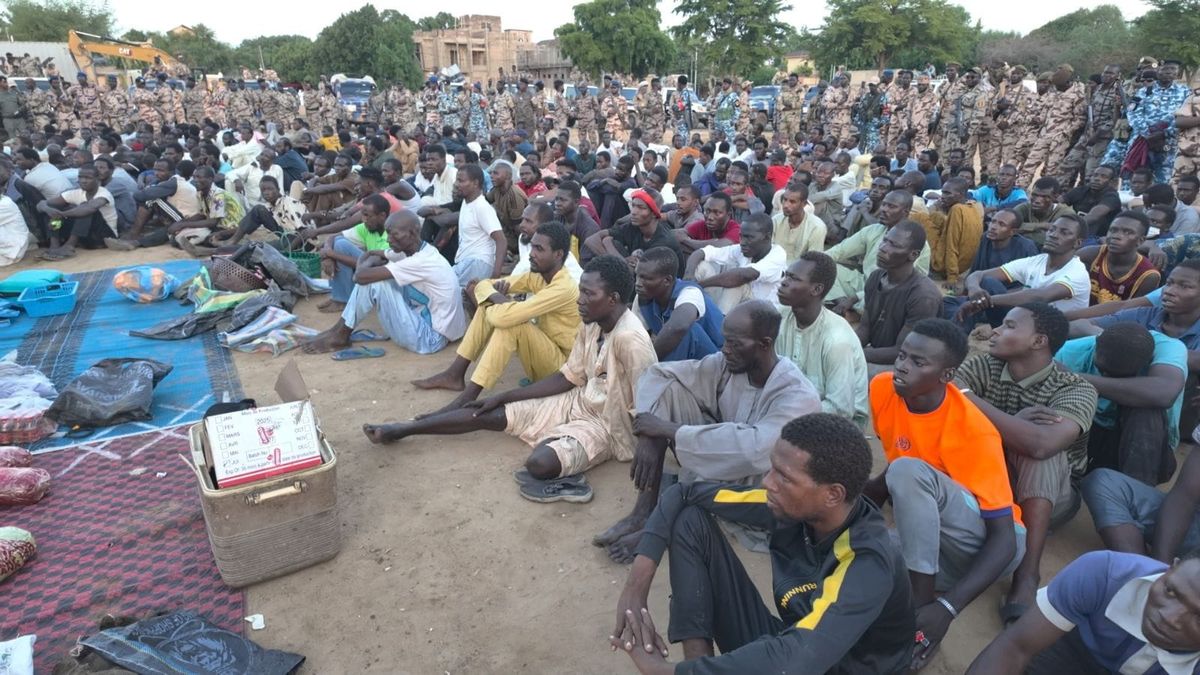
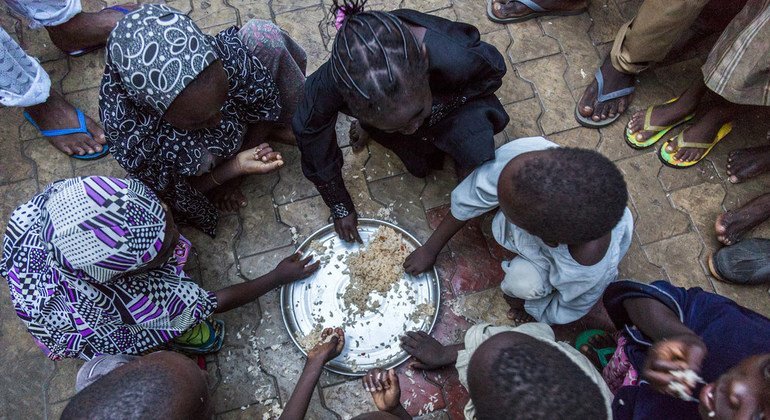
Violence and reduced funding are pushing millions in West and Central Africa toward catastrophic hunger, with the World Food Programme (WFP) warning that over 55 million people, including 13 million children, could face life-threatening food shortages by summer. The crisis reflects a dangerous combination of rising violence, economic instability, and shrinking humanitarian aid.
Urgent call for 453 million dollars to prevent famine
The WFP has urgently requested an additional 453 million dollars over the next six months to prevent a humanitarian disaster. Without this funding, more than three million people could slip into emergency-level food insecurity (IPC Phase 4) this year—a figure more than double the 1.5 million affected in 2020. Four countries—Nigeria, Chad, Cameroon, and Niger—account for 77% of the region’s food insecurity crisis, with 15,000 people in Borno State, Nigeria, facing catastrophic famine (IPC Phase 5), a threat unseen in nearly a decade.
Sarah Longford, WFP’s Deputy Regional Director for West and Central Africa, warns that reduced funding in 2025 has worsened hunger and malnutrition, pushing more young people toward despair. “The gap between needs and funding is widening, and without immediate action, the situation will spiral further out of control,” she stated.
How violence and economic strain are worsening the crisis
A toxic mix of conflict, mass displacement, and economic instability has pushed communities beyond their coping limits. In Mali, cuts to food rations led to a 64% spike in acute hunger in some areas, while regions receiving full rations saw a 34% decline. Persistent insecurity disrupts supply chains, leaving 1.5 million vulnerable Malians at risk of severe food shortages.
In Nigeria, funding gaps in 2025 forced the WFP to slash nutrition programs, affecting over 300,000 children. Malnutrition has escalated from “serious” to “critical” in several northern states, with only 72,000 people aided in February 2026—down from 1.3 million the previous year. In Cameroon, more than half a million vulnerable people risk losing vital aid if emergency funding isn’t secured soon.
13 million children at risk of starvation
Jean Martin Bauer, WFP’s Food Security and Nutrition Analysis Director, estimates that 13 million children across the region are at risk of severe hunger this year. “When we talk about IPC Phase 5, it means 15,000 people in Northeast Nigeria and parts of Borno State are facing immediate risk of mortality,” he explained. “People are dying. We must ensure that aid reaches those who are most vulnerable—children and others who are already struggling to survive.”
Why this crisis is different
Unlike past emergencies, this hunger crisis is exacerbated by a combination of reduced aid and escalating violence. The WFP stresses that proactive measures and long-term investment in resilience are critical to breaking the cycle of hunger for future generations. “Governments and partners must prioritize preparedness, early action, and community empowerment to prevent annual crises,” Bauer emphasized.
Proven solutions exist—but funding is lacking
The WFP has implemented resilience programs, school feeding initiatives, and community infrastructure projects to tackle the root causes of food insecurity. These efforts have yielded tangible results, including the rehabilitation of over 300,000 hectares of degraded land since 2018, transforming barren landscapes into arable farmland and protecting four million people from climate shocks.
“The solutions are known and effective, but they’re not funded adequately,” Bauer noted. “We need urgent investment to scale up these programs and prevent further suffering.”
What’s next?
The WFP’s appeal for 453 million dollars aims to avert a deeper humanitarian catastrophe. Without it, millions more could face starvation, displacement, and conflict. “Supporting these communities isn’t just about saving lives—it’s about preventing further instability in the region,” Longford warned.