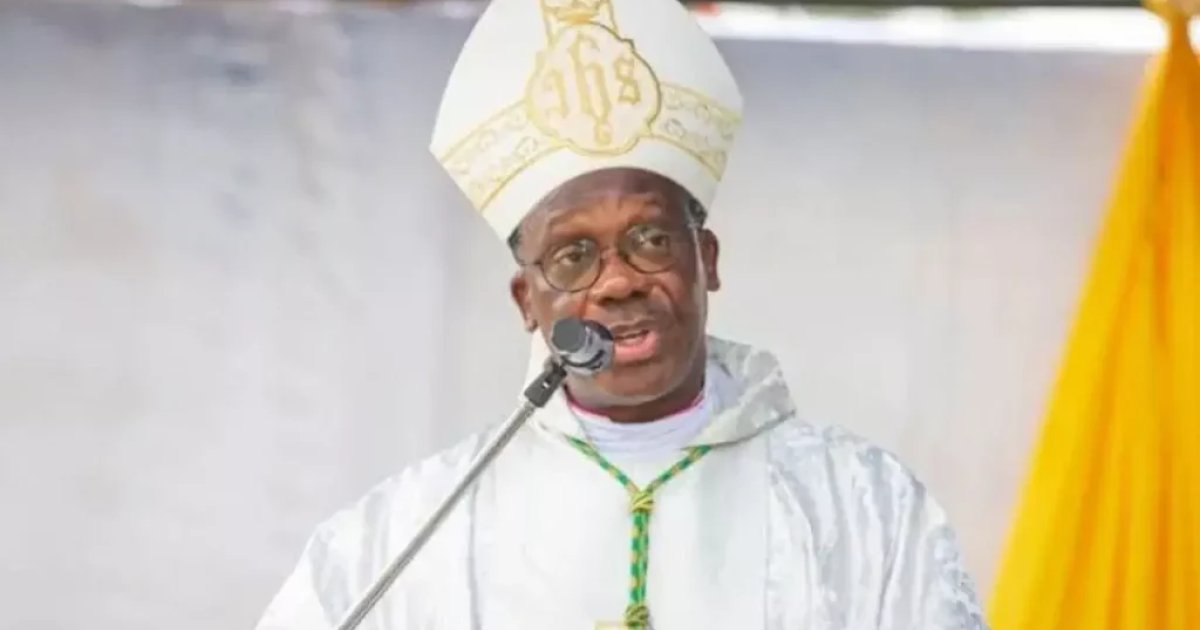
Bénin conference: religious and political leaders advocate for human-centered governance
In a landmark gathering in Cotonou, the Institute of Artisans for Justice and Peace (IAJP) brought together religious leaders, policymakers, and civil society representatives to discuss the critical intersection of rule of law, political transition, and sustainable development across Africa.
Key takeaways from the IAJP conference
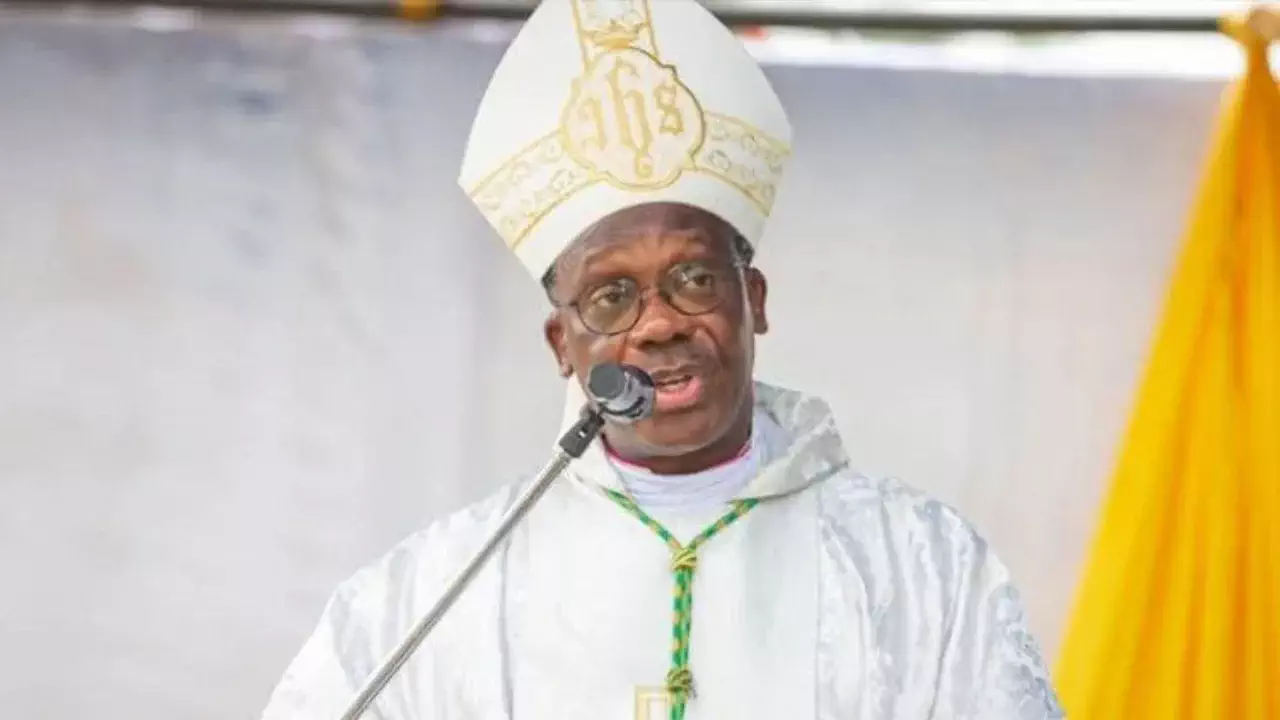
The conference, held on July 23, 2026, was led by His Grace Roger Houngbédji, Archbishop of Cotonou and President of the Bénin Episcopal Conference. In his keynote address, he framed Africa’s future not merely in terms of economic output, but as a question of institutional integrity, fair governance, and independent justice.
Bénin’s reforms: progress, gaps, and freedom challenges
To illustrate his argument, Archbishop Houngbédji highlighted Bénin’s recent strides in economic reform and judicial modernization. He praised the establishment of the Commercial Court, updates to business law, and the creation of the Court for Economic and Terrorism Offenses (Criet)—measures that have bolstered investor confidence and improved the country’s standing in global rankings.
Yet he cautioned that progress remains uneven. Some reforms continue to face scrutiny over concerns about public freedoms, judicial independence, and democratic consolidation. In his view, economic indicators alone cannot secure a nation’s democratic health; genuine stability requires robust civic protections and transparent institutions.
Why human development should top the agenda
Drawing from Catholic Social Teaching, Archbishop Houngbédji championed the concept of integral human development. He argued that policies must move beyond GDP growth to address real-life needs: education, healthcare access, social justice, and human dignity. Only by prioritizing people—not profits—can nations achieve lasting peace and prosperity.
The Church’s enduring role in fostering peace and dialogue
The Archbishop also underscored the Church’s long-standing role as a mediator during political crises in Bénin. From mediating post-electoral tensions in 2019 to advocating for dialogue ahead of the 2026 general elections, the Church does not seek to replace state institutions but to strengthen civic cohesion and prevent conflict.
In closing, Archbishop Houngbédji urged African leaders to balance economic growth with autonomous justice, pluralism, and fundamental rights—a holistic vision he believes is essential for the continent’s future.