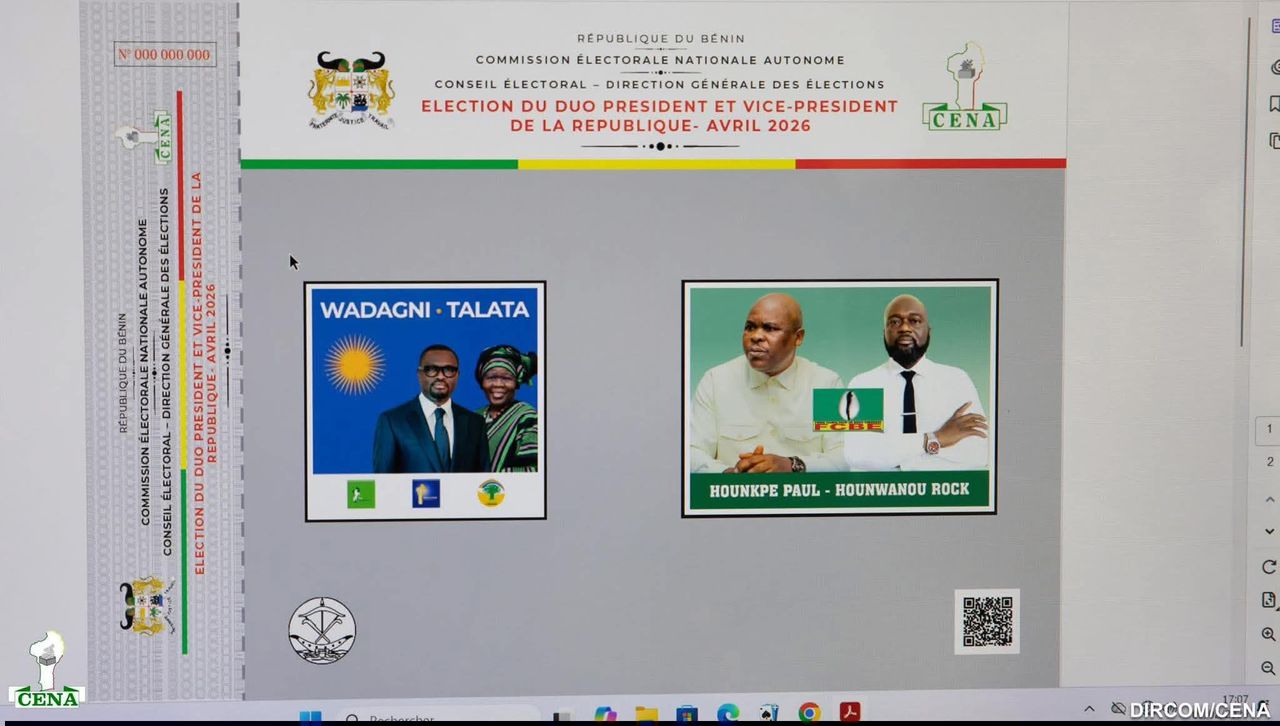
The announcement of the final results for the presidential election held on April 12 marks a turning point for the nation. With a confirmed participation rate of 63.55%, the Constitutional Court has highlighted a significant surge in civic engagement among Beninese voters.
A resounding endorsement of the electoral process
While previous elections were characterized by voter hesitation, this latest poll shattered expectations of public indifference. Data from the High Court reveals that more than six out of ten registered voters cast their ballots, representing a major increase compared to earlier consultations.
Local political experts suggest that this figure is far more than a mere statistic; it represents a powerful statement of intent. It reflects a desire by the populace to reclaim their national narrative and provide a clear mandate for ongoing institutional adjustments through the weight of popular sovereignty.
Widespread engagement across the country
From the streets of Cotonou to the northern hubs of Parakou, and through historic Abomey and Natitingou, the enthusiasm was palpable. Long queues at polling stations early in the day hinted at this high turnout, driven by several key elements:
- Grassroots campaigning: Candidates reached deep into rural areas to connect with citizens.
- A peaceful atmosphere: The orderly conduct managed by the CENA and the lack of major incidents encouraged the undecided to participate.
- High-stakes transition: The impending departure of outgoing President Patrice Talon fueled a competitive spirit that mobilized supporters from all political backgrounds.
Strengthening democratic foundations
By validating these numbers, the Constitutional Court has reinforced the credibility of the entire electoral framework. This high level of involvement serves as the bedrock for the incoming president’s legitimacy. Global observers view this renewed voter passion as a vital step in cementing the country’s democratic stability within the West African region.
“This is a collective achievement for our nation. We have demonstrated that our democratic system is active and truly driven by its citizens,” noted a representative from a local civil society group following the court’s session.
As the country prepares for the official transfer of power on May 23, the message remains clear: the people of Benin have used their votes to reaffirm their commitment to the democratic path.