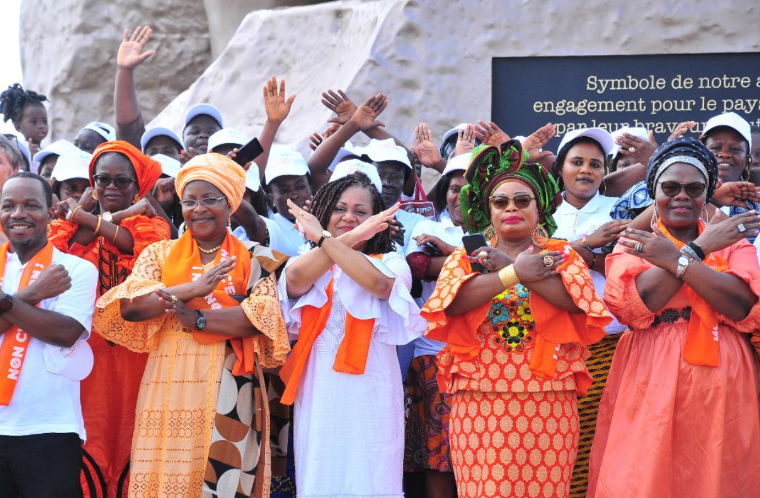
Government accelerates legal protection for women with landmark decision
The Council of Ministers in Benin has taken a decisive step to strengthen legal frameworks protecting women and girls from gender-based violence. In a decisive move on November 4, 2026, under the leadership of Prime Minister and Head of Government Romuald Wadagni, the council voted to submit the African Union’s Convention on Eliminating Violence Against Women and Girls to the National Assembly for ratification. This decision underscores the administration’s commitment to reinforcing national protection mechanisms and aligning with continental efforts to combat gender-based violence.
Breaking down the African Union Convention’s role
The African Union’s Convention on Eliminating Violence Against Women and Girls, adopted in Addis Ababa in February 2025, represents a binding agreement for signatory states. Unlike previous frameworks, this Convention takes a comprehensive approach by addressing physical, sexual, psychological, emotional, verbal, and economic violence. It also expands protection to include digital spaces—a growing concern as online harassment, threats, and reputational damage increasingly target women and girls. By ratifying this Convention, Benin will join a broader effort to eliminate violence in all forms, ensuring no tradition, custom, or belief can be used to justify abuse.
Addressing violence in all its forms
The Convention’s strength lies in its inclusivity. It does not limit violence to physical or sexual assault but recognizes psychological and emotional abuse, as well as digital violence. These forms of abuse, though often less visible, can have devastating and long-lasting impacts on victims. By covering private, public, professional, and digital environments, the Convention compels states to develop tailored responses to the diverse realities of gender-based violence.
Key principles driving the fight against violence
One of the Convention’s most critical provisions is its unequivocal stance: no tradition, custom, or religious belief can justify violence against women and girls. This principle reinforces the idea that human dignity must always take precedence over discriminatory practices. Additionally, the Convention places victims at the center of its approach, emphasizing the need for robust protection systems, psychological support, and pathways to recovery. Prevention is equally vital, requiring societal engagement—not just government action—to challenge discriminatory norms and promote positive masculinity.
Next steps: From policy to implementation
The National Assembly’s approval will enable Benin to move forward with the ratification process. However, the true test lies in how effectively these commitments are translated into action. The government’s focus now shifts to strengthening legal enforcement, enhancing victim support services, and launching public awareness campaigns. With the International Day for the Elimination of Violence Against Women on November 25 and the subsequent 16 Days of Activism Against Gender-Based Violence, the timing of this decision highlights its urgency and relevance.
The Minister of Family and Social Action, Véronique Tognifodé, emphasized the importance of this milestone. ‘Submitting this Convention to the National Assembly marks a significant step forward. We urge legislators to approve ratification so Benin can fully align with continental protections for women and girls,’ she stated. She also stressed that institutional progress must be matched by societal change. ‘Legal measures alone won’t end violence. We need sustained prevention efforts, better victim support, and a collective shift in attitudes to create lasting change,’ she added.
Why this ratification matters for Benin
For Benin, this move is part of a broader push to align national laws with global and continental standards. The Convention’s ratification will reinforce existing gender equality reforms and provide a stronger legal foundation to combat violence. Crucially, it addresses modern challenges like cyber violence, which often evades traditional legal frameworks. By integrating digital abuse into the national agenda, Benin is adapting to the evolving nature of gender-based violence and ensuring no woman or girl is left unprotected.
Prime Minister Romuald Wadagni’s government has signaled that protecting women and girls is a priority. The challenge ahead is turning legal commitments into real-world protections—ensuring every woman and girl in Benin can live free from violence, fear, and discrimination.