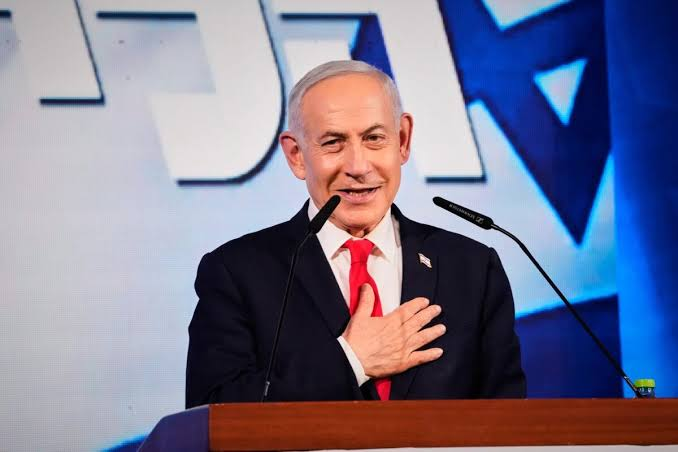
Israel’s political landscape has entered uncharted territory following legislative elections that delivered a stunning setback to Prime Minister Benjamin Netanyahu. Official tallies confirmed the collapse of his ruling coalition’s majority in the Knesset, plunging the nation into a deep institutional crisis and intensifying internal divisions.
Netanyahu’s coalition falls short of 61-seat threshold
The Central Elections Committee finalized results confirming a historic shift in parliamentary balance. Netanyahu’s right-wing Likud party and its ultranationalist and religious allies failed to secure the 61 seats needed for a functional government, marking a decisive break from a decade of uninterrupted control.
Surge in opposition forces reshapes Knesset dynamics
The election delivered significant gains to centrist and opposition alliances, buoyed by prominent figures such as former military chief Gadi Eisenkot and former Prime Minister Yair Lapid. Their advance reduced Netanyahu’s maneuvering room and complicated any path to forming a new majority without broad concessions.
Arab-Israeli parties also achieved unprecedented representation, siphoning off critical seats from Netanyahu’s bloc and further constraining his ability to regain control. Voter turnout surged in Arab-majority communities, amplifying their political voice and reshaping parliamentary arithmetic.
Netanyahu alleges electoral irregularities amid defeat
Within hours of the results, Netanyahu publicly challenged the integrity of the vote. He pointed to irregularities in thousands of ballots—especially in polling stations with high Arab voter participation—suggesting systemic fraud. His claims were swiftly rejected by election monitors and political rivals alike.
Opposition leaders condemn attempts to undermine democracy
Centrist and left-wing lawmakers accused Netanyahu of undermining democratic norms by refusing to accept the election outcome. “Challenging the will of the people when the results don’t favor you is not leadership—it’s an attack on democracy,” stated a senior opposition figure. Others warned that his rhetoric risked destabilizing trust in Israel’s electoral institutions.
Israel faces paralyzing uncertainty after fractured vote
Despite the Central Elections Committee affirming the election’s integrity and rejecting fraud allegations, the absence of a clear majority has left Israel in a state of paralysis. Negotiations to stitch together a fragile coalition could stretch for weeks, while the alternative—new elections—would deepen public exhaustion and prolong political instability.
In a nation scarred by repeated crises, the post-election standoff underscores a growing crisis of governance. Without a stable government, key policies on security, economy, and judicial reform remain in limbo, fueling anxiety across Israeli society.