Bénin unveils $14.5 billion climate resilience plan

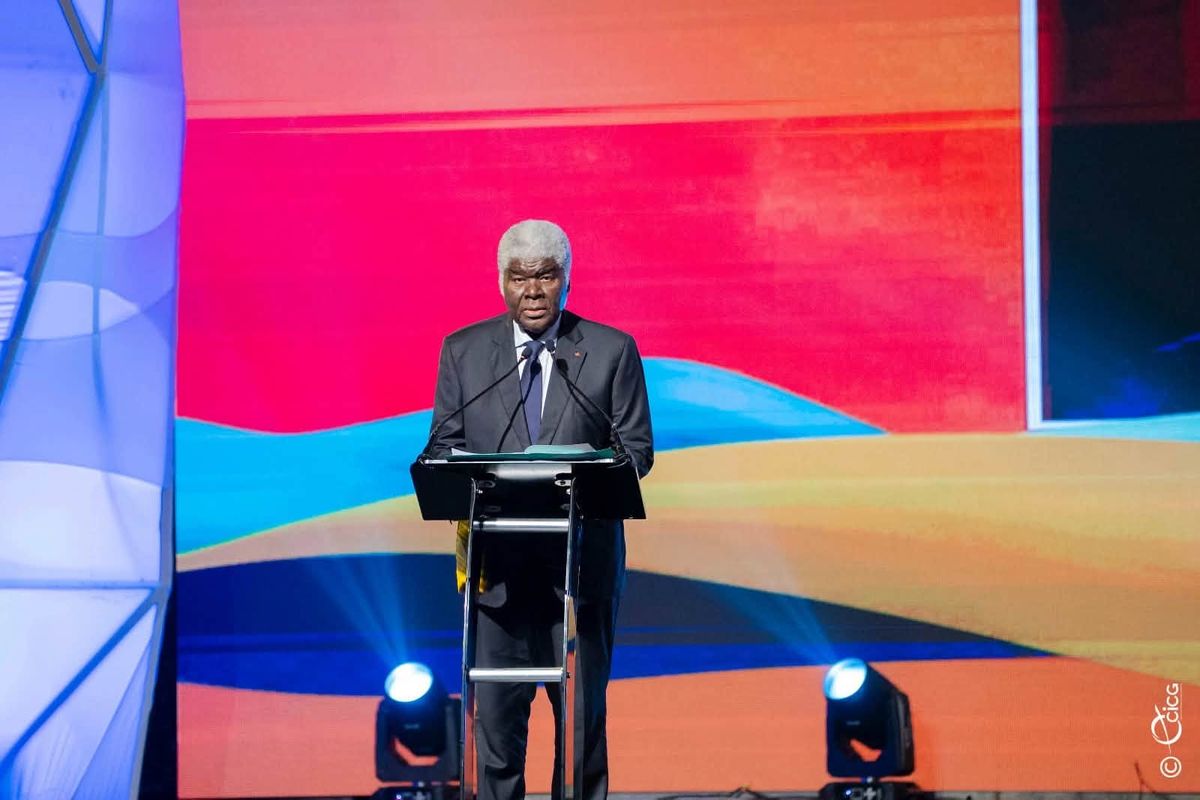
The Government of Bénin has announced plans to mobilise $14.5 billion—approximately 8,004.38 billion XOF—to bolster the nation’s economic resilience against climate risks and accelerate its transition toward sustainable development. This initiative forms part of the third iteration of the Nationally Determined Contribution (NDC 3.0), covering the 2026–2035 period, and was unveiled during a high-level meeting in Cotonou.
A strategic framework for climate-smart development
Far from being a mere environmental pledge, NDC 3.0 is designed as a transformative economic instrument. The Béninois government intends to use this strategy as a planning framework to systematically embed climate risks into public policies, investments, and development decisions. The goal is clear: ensure that economic growth and climate adaptation evolve in tandem, creating a foundation for long-term stability.
Targeted investments to safeguard the economy and communities
The pledged funds will finance programs aimed at reducing the country’s vulnerability to extreme weather events while fostering a more sustainable economic trajectory. These resources will support efforts to reinforce infrastructure protection, secure productive activities, conserve natural resources, and improve living conditions for populations most exposed to climate impacts.
Key sectors driving climate resilience
The Bénin climate roadmap prioritises several critical sectors:
- Agriculture: A cornerstone of the national economy and highly susceptible to climate shocks, agriculture will receive investments to enhance farmers’ adaptive capacities, modernise farming systems, and secure value chains.
- Energy: The NDC 3.0 aims to accelerate the transition toward cleaner energy solutions, reducing dependency on fossil fuels and promoting renewable alternatives.
- Water resources and forestry: Projects will focus on sustainable water management and reforestation to mitigate droughts, floods, and soil degradation.
- Health and infrastructure: Healthcare systems will be strengthened to address climate-related health risks, while infrastructure investments will prioritise flood-resistant designs and coastal erosion prevention.
- Tourism and coastal zones: Strategies will address the challenges posed by rising sea levels and shifting coastal dynamics, protecting vital economic zones.
Climate action as an economic catalyst
For Bénin, climate resilience is not just about risk reduction—it is a pathway to economic opportunity. The NDC 3.0 framework is designed to stimulate green innovation, generate employment, and enhance the nation’s competitiveness. By aligning climate adaptation with economic development, the government seeks to create a balanced and inclusive growth model that uplifts vulnerable communities while positioning Bénin as a regional leader in sustainable progress.