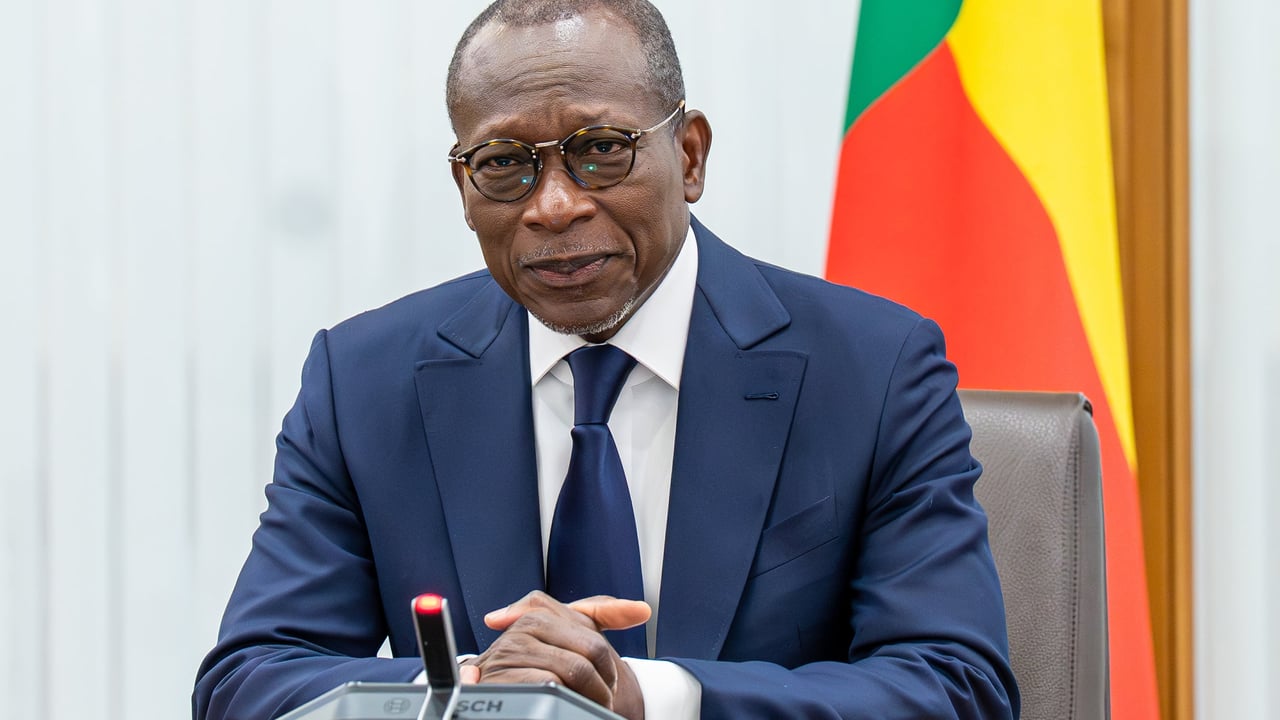
On June 3, 2026, President Romuald Wadagni announced a landmark financial allocation of one billion West African CFA francs to public health facilities. This unprecedented funding initiative is designed to ensure that life-saving emergency care is provided without financial barriers, fundamentally altering the landscape of public healthcare access in Bénin.
The president emphasized this commitment with a clear directive: “Treat first, discuss later.” This pronouncement followed the immediate release of the financial package, which serves as a permanent guarantee for public hospitals to cover the costs of emergency medical services. The move directly addresses a persistent yet often overlooked crisis in Bénin’s healthcare system: preventable deaths resulting from patients’ inability to pay for urgent medical intervention.
The allocated funds will automatically cover a wide spectrum of life-threatening emergencies, including road accidents, severe obstetric complications, respiratory distress, and cardiac arrests. Under this new policy, financial constraints or the absence of family support will no longer delay or deny critical care to patients in need.
calculating the impact on communities
While the exact number of beneficiaries remains uncertain due to the unpredictable nature of medical emergencies, an analysis of standard emergency care costs in public hospitals provides valuable insight. The average expense for emergency kits, initial medical supplies, and stabilization procedures ranges from 25,000 FCFA for moderate cases to 100,000 FCFA for severe trauma or major surgical emergencies.
With the one billion FCFA allocation, public health facilities can now respond to an estimated 10,000 to 40,000 emergency cases annually. Beyond individual patients, this initiative offers a protective shield for entire families. By preventing financial ruin through medical debt, asset liquidation, or tragic loss, the policy indirectly benefits an estimated 50,000 to 200,000 citizens, reinforcing social stability in vulnerable households.
empowering healthcare professionals
This reform also alleviates a long-standing ethical burden on medical staff. Previously, doctors and nurses in public hospitals frequently faced the distressing choice between delaying care due to financial constraints or administering treatment while awaiting payment. Now, healthcare providers can focus solely on their professional duty: saving lives without administrative or financial impediments.
The president reinforced this vision, stating, “No life should be lost because funds are unavailable when urgency demands action. A human life is invaluable.” This declaration underscores a broader commitment to building a healthcare system rooted in humanity and social equity.
a comprehensive health strategy
The one billion FCFA emergency care fund is part of a larger, multi-faceted health strategy led by President Romuald Wadagni. To ensure seamless operational capacity in public health centers, an additional 10 billion FCFA has been secured to provide universal access to clean water and reliable electricity in all underserved medical facilities across Bénin.
Together, these initiatives mark a pivotal step toward the nation’s goal of achieving universal healthcare by 2030. The transformative potential of this policy lies in its dual focus: enhancing medical efficiency while advancing social justice. As the Ministry of Health prepares for implementation, all stakeholders are closely monitoring the technical deployment and financial management of these funds to ensure every CFA franc translates into preserved lives and healthier communities.