Senate president’s absence from budget hearings demystified
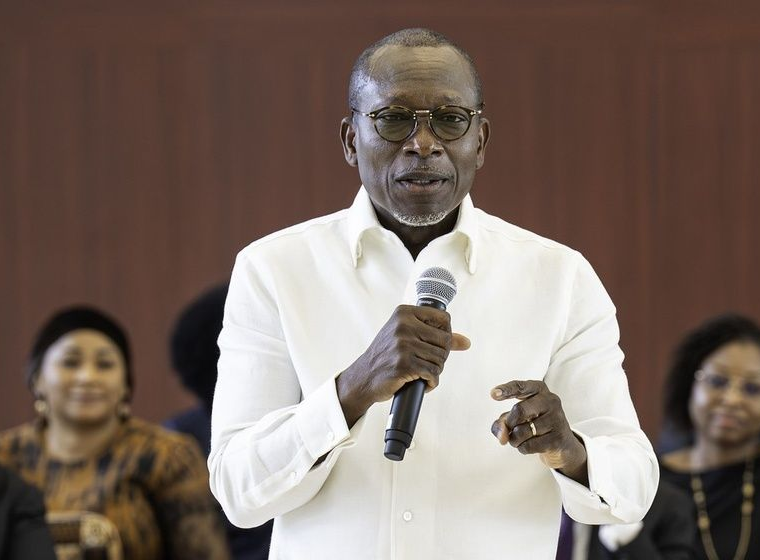
The absence of Benin’s Senate president, Patrice Talon, from the scheduled budget hearings in the National Assembly has sparked discussions. While heads of other state institutions are expected to present their financial projections before lawmakers, the Senate leader is notably missing from the lineup.
This omission is not an oversight or a special privilege but follows a well-defined institutional procedure outlined in the Senate’s internal regulations. Articles 97, 98, and 99 of the Senate’s rulebook specifically address the preparation, approval, and transmission of the institution’s budget.
How the Senate’s budget moves through parliament
The National Assembly’s Budget Committee is set to begin hearings for the 2027 finance bill on November 16, 2026. The agenda includes presentations by key government officials, such as the Minister of Economy and Finance, Aristide Médénou. However, Patrice Talon is not listed among the officials required to defend their institution’s financial allocations.
The rationale behind this decision lies in the internal mechanisms governing the Senate’s budget. These rules ensure that the chamber’s financial management aligns with public accounting standards while maintaining institutional autonomy.
Article 97: autonomy with accountability
Article 97 grants the Senate administrative and financial autonomy. This means the chamber manages its own affairs but remains subject to public finance regulations. The funds allocated to the Senate are still monitored under the same oversight frameworks as other state institutions.
Article 98: internal budget drafting
Article 98 details how the Senate prepares its budget each year. Following the budget orientation debates in the National Assembly, the Senate drafts its financial plan based on directives from its president and the government’s budget framework. The draft is then reviewed and approved by senators according to the chamber’s internal procedures.
Article 99: final transmission to the finance ministry
Once approved, the Senate’s budget is formally transmitted by its president to the Minister of Finance. The document is then incorporated into the government’s annual finance bill, which is presented to the National Assembly for review and approval.
Why the Senate president skips the parliamentary stage
The Senate’s budget does not require the president to personally appear before the Budget Committee because the process follows a two-tier structure. First, the chamber internally adopts its budget. Second, the approved budget is merged into the broader state finance bill, which lawmakers review and vote on.
This mechanism ensures that the Senate’s expenditures are transparent and subject to parliamentary scrutiny—just like those of other state institutions. The absence of an in-person presentation by the Senate president does not imply that the chamber’s budget operates outside the public finance framework.
The Assembly follows the same independent pathway
The National Assembly itself uses a similar approach for its own budget. Joseph Djogbénou, the Assembly’s president, also does not appear before the Budget Committee to defend his institution’s allocations. Instead, the Assembly prepares its budget internally before submitting it for inclusion in the government’s finance bill.
This dual approach—internal budget drafting followed by national assembly review—was established long before Benin transitioned to a bicameral parliamentary system. The existing rules in Articles 97 to 99 of the Senate’s regulations remain unchanged and continue to guide the budget process.
No special treatment—just institutional procedure
Patrice Talon’s absence from the November 2026 hearings does not indicate that the Senate enjoys budgetary independence or that its allocations bypass parliamentary oversight. The chamber’s financial plan is drafted, debated, and approved within its own structures before being integrated into the national budget. The final version is still subject to review and approval by the National Assembly.
In short, the Senate’s budget process is designed to balance institutional autonomy with public accountability. The internal rules ensure proper financial governance while maintaining transparency before lawmakers.