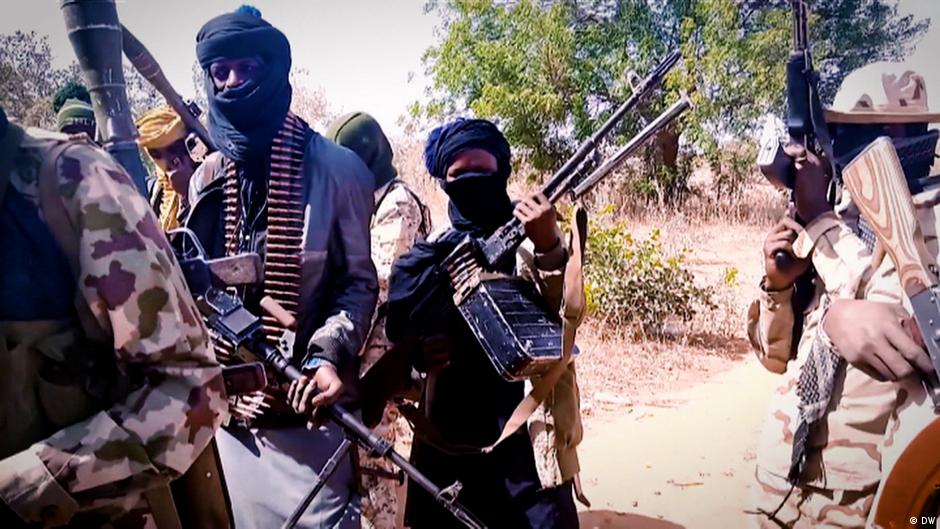
In the vast Sahelian belt stretching from Nigeria to Cameroon, the shadow of Boko Haram looms large. What began as a radical movement in 2002 has morphed into a sophisticated kidnapping industry—a lucrative revenue stream that sustains its decade-long insurgency across the Lake Chad basin.
How kidnappings became big business
Boko Haram has weaponized abductions, turning them into a dual-purpose tool: recruitment and ransom collection. Between July 2024 and June 2025 alone, nearly 4,700 people were kidnapped in almost 1,000 incidents, according to security risk assessments. These operations often target schools, but civilians across northern Nigeria—and beyond—have borne the brunt. The group’s affiliate, ISWAP (Islamic State West Africa Province), has adopted similar tactics, escalating the humanitarian crisis in the region.
Attacks aren’t confined to Nigeria. In Cameroon’s Far North, Boko Haram seized bus passengers in Ziguangé last year, while in Niger, seven Chadian nationals were abducted near the border in March. One victim was killed; the rest remain in captivity, with the group demanding 50 million CFA francs (about $85,000) per hostage. A physician among them faces a staggering 500 million CFA francs ransom—echoing the group’s ruthless calculus.
“These abductions serve two primary objectives,” explains Remadji Hoinathy, a researcher at the Institute for Security Studies. “First, they replenish ranks through forced conscription or enslavement. Second, they generate millions in ransoms—paid not just by families but, in some cases, by governments themselves.”
Ransom payments: a forbidden but persistent cycle
Despite Nigeria’s 2022 anti-ransom law—punishing payments with up to 15 years in prison—the practice persists. SBM Intelligence estimates that over $35 million in ransoms were demanded in Nigeria over the past year, with nearly 5% reportedly paid. Critics argue the law is selectively enforced, as authorities allegedly paid to secure the release of 230 Catholic schoolchildren and staff kidnapped in Niger State in late 2025.
Accusations surfaced of a helicopter transfer of cash to a Boko Haram commander in Borno State, though Abuja denies the claims, attributing the hostages’ freedom to intelligence-led operations. Experts warn that acknowledging payments could embolden insurgents, fueling their propaganda.
The Lake Chad basin: a jihadist stronghold
Boko Haram’s birthplace in Maiduguri, Nigeria, has expanded into a cross-border menace. The Lake Chad basin—straddling Nigeria, Niger, Chad, and Cameroon—offers ideal conditions for insurgents: porous borders, weak state presence, and a thriving informal economy. “This region is a transit hub for arms and fighters,” Hoinathy notes, “and its marshes and islands provide perfect hideouts from military pressure.”
The basin’s strategic value extends beyond geography. It’s a hub for ISWAP, a splinter faction that broke from Boko Haram in 2016 over ideological disputes. While the latter embraced indiscriminate violence, ISWAP sought legitimacy by embedding itself in local communities—before clashing violently with its former ally for territorial control.
Military stalemate and civilian toll
Regional efforts, including the Multinational Joint Task Force, have struggled to curb the insurgency. A decade of asymmetric warfare has left over 40,000 dead and displaced 2 million in Nigeria alone, per UN estimates. The United States has since deployed 200 troops to support Nigerian forces, yet the conflict persists.
“Boko Haram’s resilience lies in its adaptability,” Hoinathy observes. “While governments focus on military solutions, the group exploits socio-economic gaps, turning kidnappings into a self-sustaining war economy.”