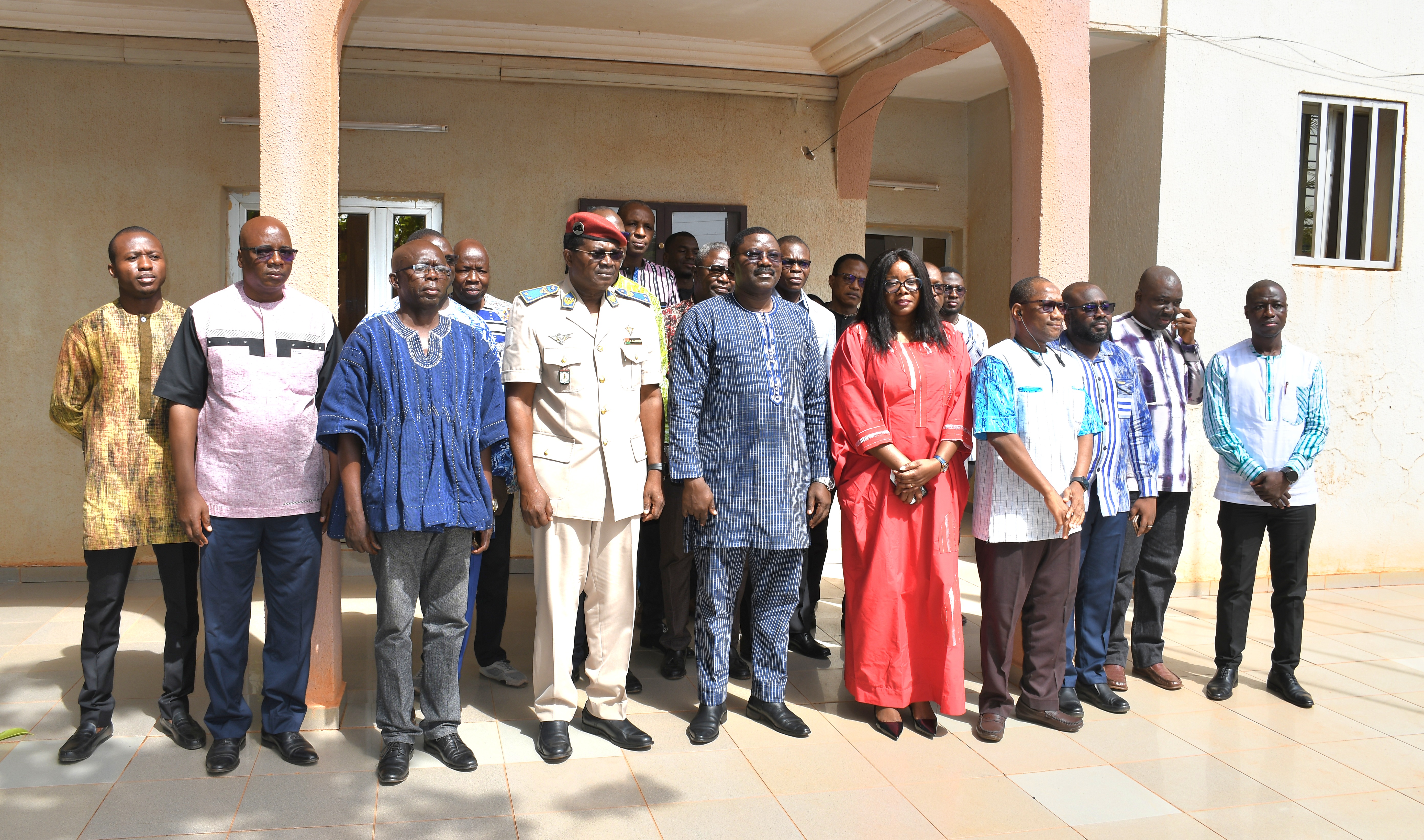
The National Centre for Strategic Studies (CNES) has initiated a three-day intensive workshop in Ouagadougou, targeting high-level officials from the Ministry of Foreign Affairs. Held at the Permanent Secretariat of the African Peer Review Mechanism (SP-MAEP) in Ouaga 2000, this session focuses on strategic intelligence and geopolitical forecasting.
A total of around thirty diplomats, ambassadors, and technical advisors are set to enhance their analytical skills during this programme. The goal is clear: equip these professionals with advanced tools to navigate today’s rapidly shifting global landscape and mitigate emerging risks.
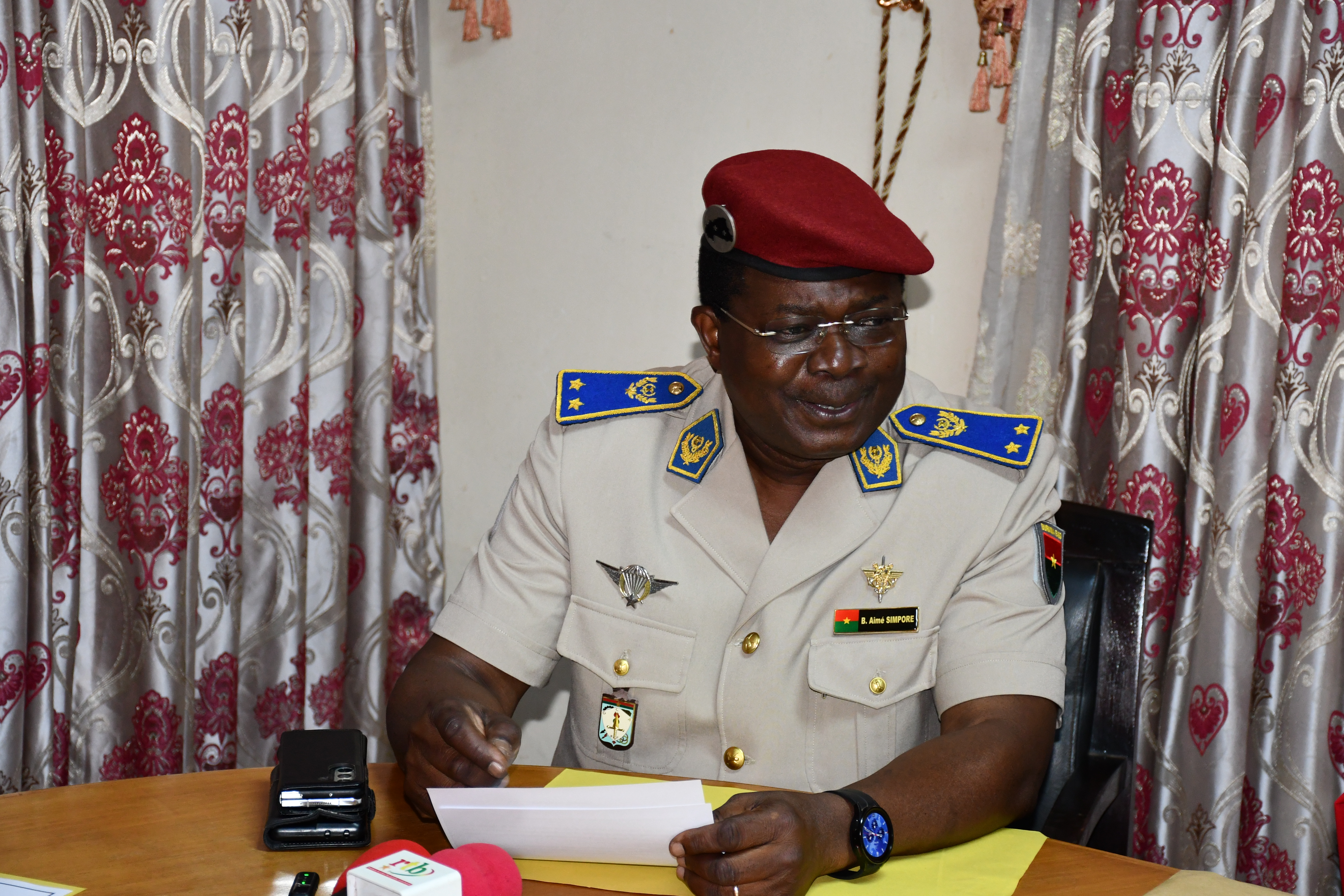
From 8 to 10 June 2026, participants will delve into key areas such as strategic monitoring, geopolitical analysis, and risk assessment. The training blends theoretical instruction with hands-on exercises, including drafting operational policy briefs.
General Barthélémy Aimé Simporé, Director-General of the CNES, emphasized the timeliness of this initiative, noting that shifting power dynamics and escalating security crises demand proactive governance.
« The reconfiguration of global power rivalries, increasingly intricate security challenges, and persistent strategic uncertainties now define the international environment,” he stated. “This programme does not aim merely to react to crises but to cultivate a predictive capacity that strengthens Burkina Faso’s position.”
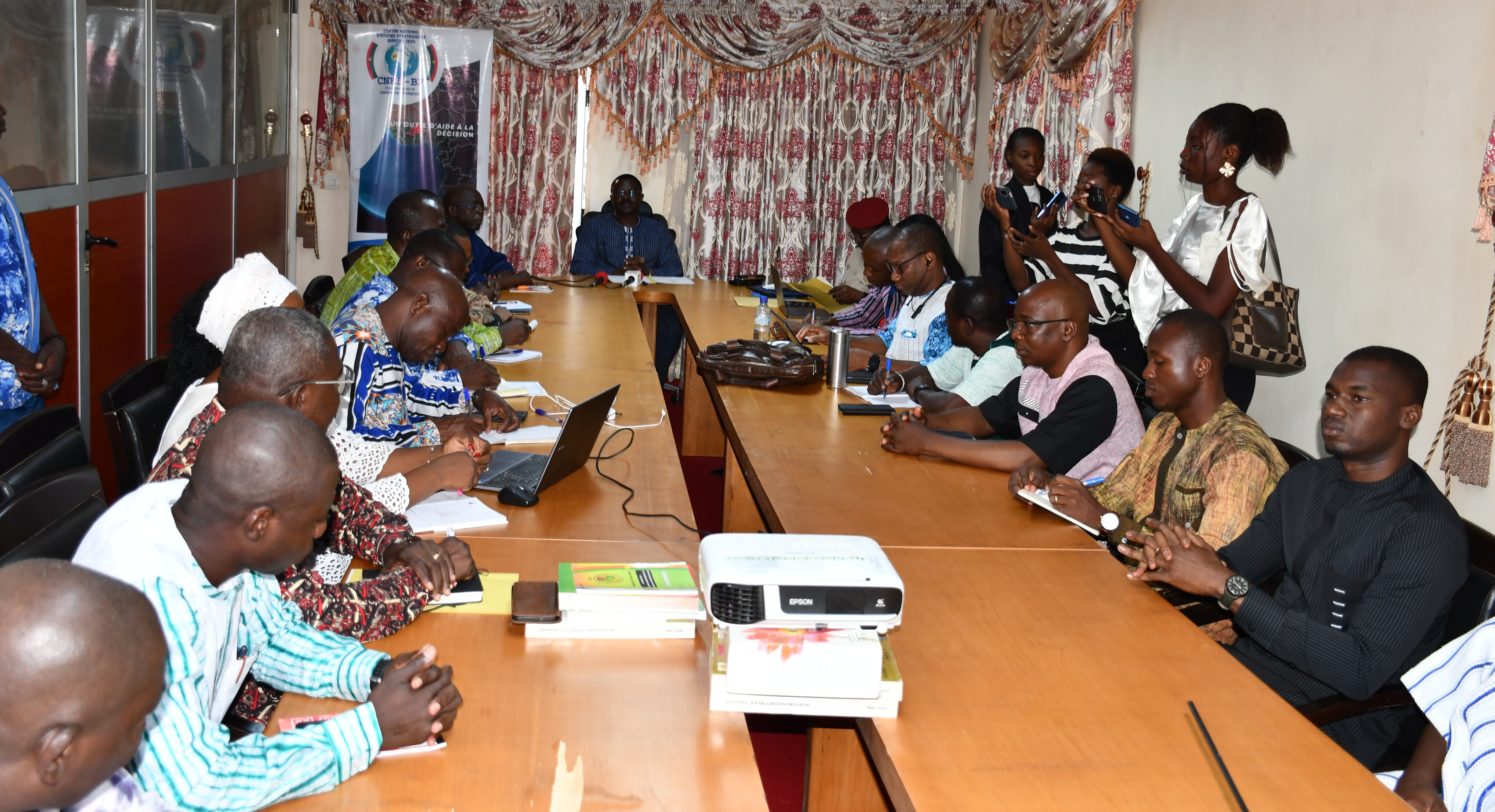
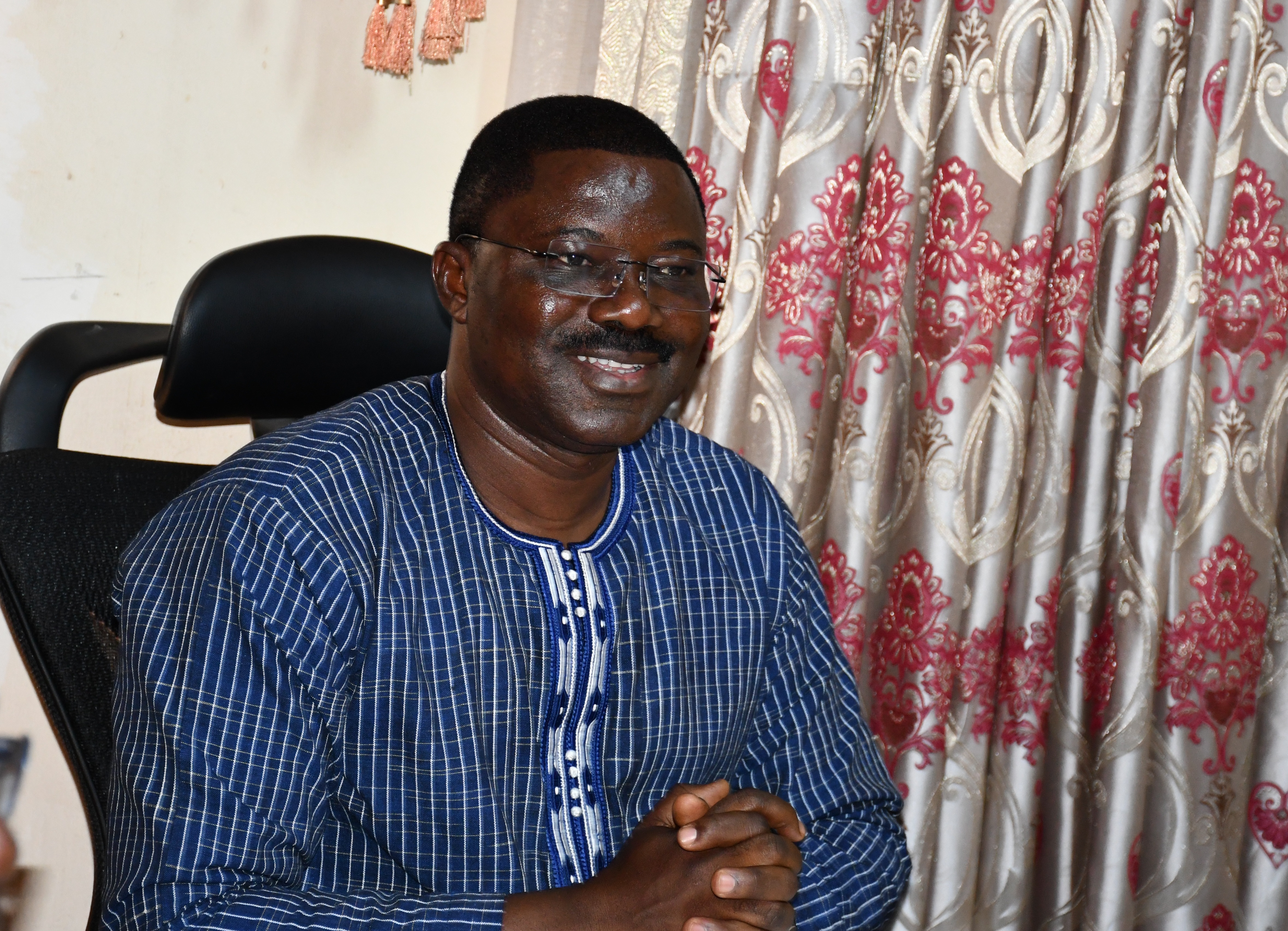
The Ministry of Foreign Affairs, represented by its Cabinet Director Dieudonné Désiré Sougouri, welcomed this partnership. He highlighted the need for continuous upskilling in a world where traditional frameworks no longer suffice.
« Our analytical methods must evolve alongside current realities,” he stressed. “We need experts who can decode the complexities of today’s geopolitical environment and provide clear guidance to decision-makers.”
This inaugural training marks a milestone in modernizing Burkina Faso’s diplomatic action, aligning it with national priorities. Organizers anticipate improved identification of emerging threats and sharper policy recommendations for government authorities. Additional sessions are planned to sustain long-term capacity building.