Economic hardship deepens as diplomatic isolation takes its toll
Since the military takeover in July 2023, Niger has grappled with an escalating crisis that has left its people trapped between political upheaval and worsening living conditions. What was promised as a historic turning point to restore national sovereignty and stability has instead ushered in a period of deepening economic strain and social unrest. Three years later, the junta’s leadership struggles to deliver on its initial vows, leaving citizens to navigate an increasingly harsh reality.
Trade disruptions and soaring living costs
The junta’s break with Western partners and regional tensions have severely disrupted trade flows. Sanctions imposed in the early months of the new regime, coupled with reduced foreign investment and sluggish cross-border commerce, have crippled economic activity. Businesses, from local markets to larger enterprises, have scaled back operations or shut down entirely, while job opportunities have dwindled. Families are feeling the pinch as prices for essentials—food, fuel, and basic goods—climb relentlessly, eroding purchasing power with each passing month.
Local governments, entrepreneurs, and farmers are also grappling with financial constraints, limited access to credit, and an unpredictable economic climate that stifles innovation and growth. The cumulative effect has left communities across Niger scrambling to adapt to a rapidly deteriorating standard of living.
Restrictions on freedoms fuel discontent
Beyond economic struggles, human rights organizations warn of a shrinking civic space under the military regime. Criticism of the government, once a cornerstone of democratic expression, now carries significant risks. Civil society groups operate under heightened surveillance, with dissenters facing legal repercussions or arrest. Independent media outlets, too, face mounting pressure, as journalists report increasing intimidation and restrictions on their work.
Public gatherings and political rallies are tightly controlled, curtailing the ability of opposition groups and citizens to voice their concerns. In response, many have chosen silence to avoid reprisals, while others have fled the country in search of safety and stability.
Security challenges persist despite military reforms
The junta’s rise to power was framed as a necessary step to combat terrorism and restore order. Yet, despite reorganizing military structures and forging new security partnerships, armed group attacks continue to ravage parts of the country. Border regions remain particularly vulnerable, where civilian populations face relentless violence, forced displacement, and restricted access to vital services like healthcare, education, and economic opportunities.
Entire villages live under the shadow of insecurity, their daily lives upended by the persistent threat of violence. The ongoing instability has dealt a severe blow to agriculture, local economies, and social cohesion, raising serious questions about the effectiveness of the regime’s security strategy.
Government communication fails to address growing concerns
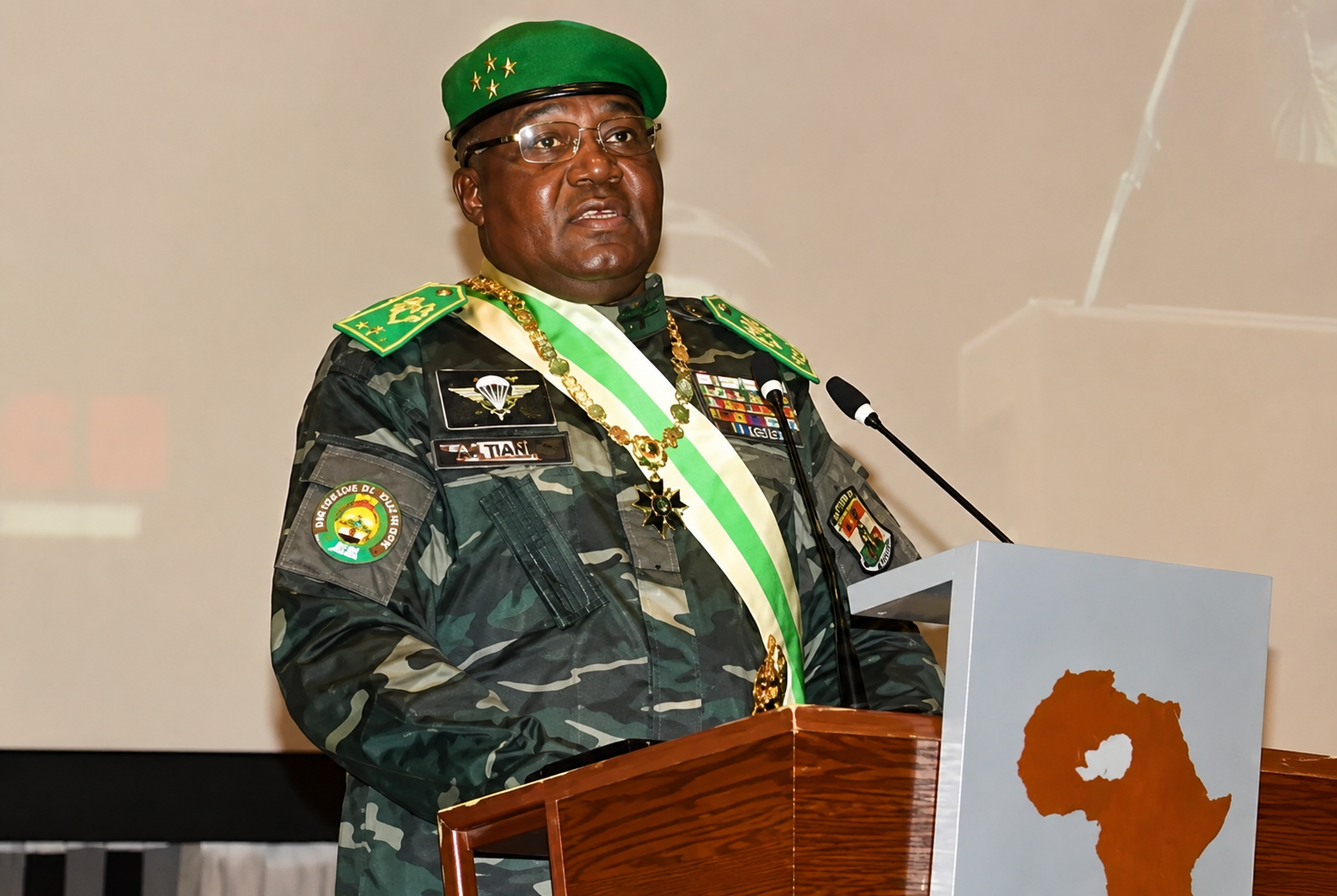
Recent remarks by General Abdourahamane Tiani, broadcasted nationally, have done little to dispel public skepticism. Rather than outlining concrete steps to tackle economic or security crises, the junta leader focused on external threats and blamed foreign actors for Niger’s challenges. Analysts suggest this approach highlights the regime’s struggle to translate its promises into tangible progress.
As frustrations mount, a growing segment of the population is shifting its focus from assigning blame to demanding viable solutions—both within and beyond the country’s borders.
Political stagnation raises fears of prolonged authoritarian rule
The military’s prolonged grip on power has led to a systematic narrowing of political freedoms. The absence of a clear timeline for a return to civilian governance has fueled uncertainty about Niger’s institutional future. Political parties operate under severe constraints, and public discourse remains tightly controlled, further sidelining citizen participation in shaping the nation’s direction.
This centralization of authority has sparked concerns that democratic safeguards and civic engagement are being systematically dismantled, potentially embedding authoritarian tendencies for the foreseeable future.
Three years on: a nation caught between hope and hardship
Three years after the coup, the gap between the junta’s promises and the lived experience of Nigeriens has never been wider. The economy remains fragile, inflation erodes household budgets, civil liberties are under siege, and insecurity continues to destabilize vast regions. For many, the pressing question is no longer about the legitimacy of the regime but about restoring stability, rebuilding trust, and securing a future where basic needs and safety are no longer luxuries.
Amid this turbulence, calls for accountability, dialogue, and practical solutions are growing louder, underscoring a collective yearning for change—not through political upheaval, but through tangible improvements in daily life.