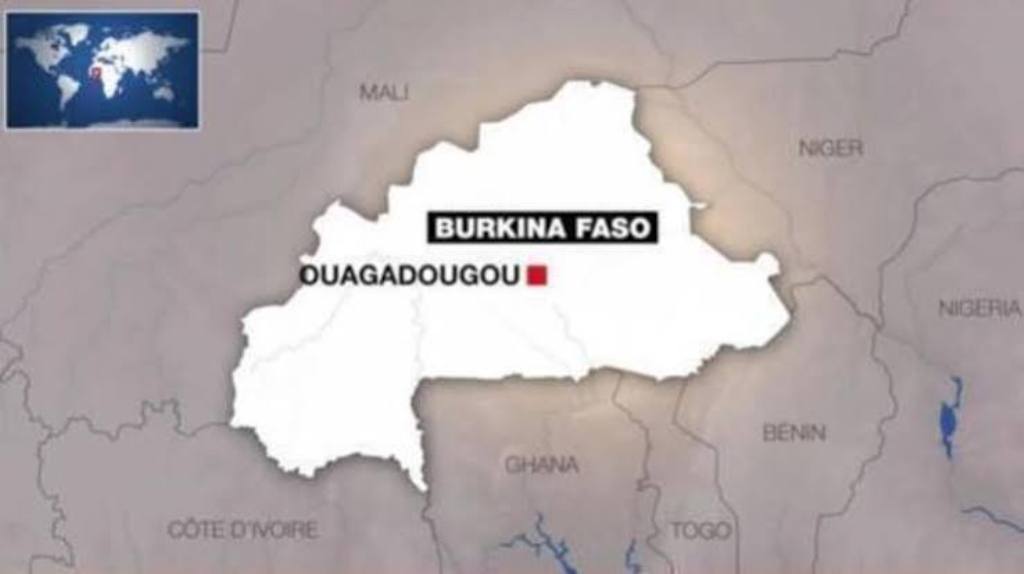
Over forty Burkinabe journalists, representing both state-owned and independent media outlets, have completed military training, an initiative the ruling junta frames as an «immersive patriotic experience» now slated to become an annual event.
In a nation grappling with a conflict against jihadist factions, a comparable mandate was imposed last year on students admitted to the baccalaureate. However, this recent directive targeting journalists raises significant alarm among press freedom proponents. Their apprehension is heightened by prior cases where Burkinabe journalists were compelled into military service and by the substantial governmental pressure on the national media, vividly illustrated by the ongoing detention of Serge Oulon, who was abducted in Ouagadougou two years ago.
This week-long training session, orchestrated by the Ministry of Security, took place at the Académie de police de Pabré, approximately twenty kilometers outside Ouagadougou. National television footage captured Communication Minister and government spokesperson Pingdwendé Gilbert Ouédraogo, dressed in military fatigues and holding a rifle, addressing the assembled journalists. He posed the question: «Are you committed to being both patriotic and professional journalists?» The journalists, standing at attention, responded in unison with a resounding «Affirmative!» The minister further elaborated, stating, «A journalist who is professional but lacks patriotism poses a danger. Similarly, a journalist who is professional and patriotic but remains uncommitted acts merely as a passive observer during a pivotal period when our nation’s most significant historical chapters are being written.»
Lassina Traoré, the Director General of the Police Academy, articulated that the objective of this program is to «instill within journalists a profound understanding of the operational realities and core values that consistently guide our defense and security forces.»
Despite the official branding of this initiative as «patriotic immersion,» it has sparked considerable apprehension among those dedicated to upholding press freedom. Sadibou Marong, representing the NGO Reporters sans frontières (RSF), voiced a strong objection, asserting, «Journalists are distinct from military personnel and must not be co-opted into serving as conduits for the war effort, donning military attire and bearing arms.»
In a nation grappling with a conflict against jihadist factions, a comparable mandate was imposed last year on students admitted to the baccalaureate. However, this recent directive targeting journalists raises significant alarm among press freedom proponents. Their apprehension is heightened by prior cases where Burkinabe journalists were compelled into military service and by the substantial governmental pressure on the national media, vividly illustrated by the ongoing detention of Serge Oulon, who was abducted in Ouagadougou two years ago.
This week-long training session, orchestrated by the Ministry of Security, took place at the Académie de police de Pabré, approximately twenty kilometers outside Ouagadougou. National television footage captured Communication Minister and government spokesperson Pingdwendé Gilbert Ouédraogo, dressed in military fatigues and holding a rifle, addressing the assembled journalists. He posed the question: «Are you committed to being both patriotic and professional journalists?» The journalists, standing at attention, responded in unison with a resounding «Affirmative!» The minister further elaborated, stating, «A journalist who is professional but lacks patriotism poses a danger. Similarly, a journalist who is professional and patriotic but remains uncommitted acts merely as a passive observer during a pivotal period when our nation’s most significant historical chapters are being written.»
Lassina Traoré, the Director General of the Police Academy, articulated that the objective of this program is to «instill within journalists a profound understanding of the operational realities and core values that consistently guide our defense and security forces.»
Despite the official branding of this initiative as «patriotic immersion,» it has sparked considerable apprehension among those dedicated to upholding press freedom. Sadibou Marong, representing the NGO Reporters sans frontières (RSF), voiced a strong objection, asserting, «Journalists are distinct from military personnel and must not be co-opted into serving as conduits for the war effort, donning military attire and bearing arms.»
Listen to this article3 min listen
Follow this storyFind our stories in Feedly, Inoreader…