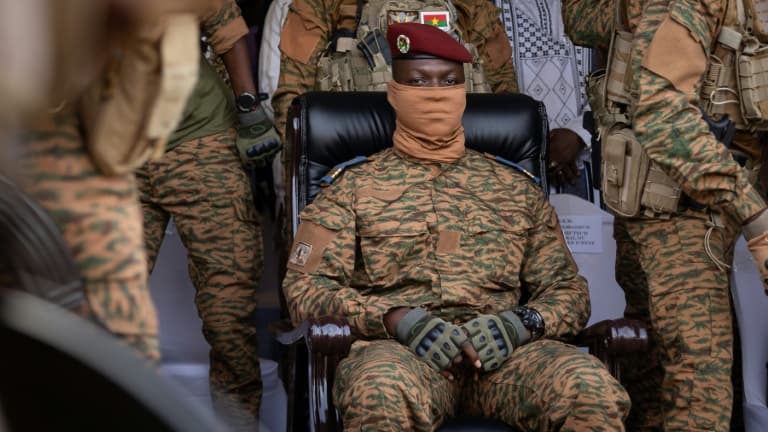
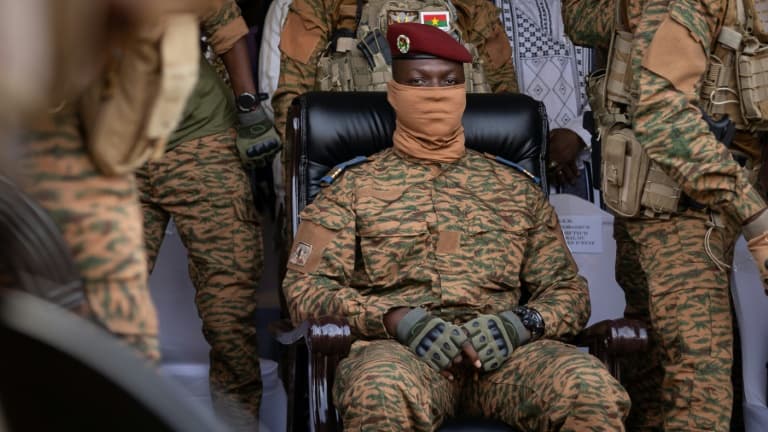
Citizens of Burkina Faso have been told to put aside thoughts of democratic rule by the nation’s current military head. During a broad interview broadcast on national television on the evening of April 2, Captain Ibrahim Traoré suggested that the Western-style political model is not suited for the country at this time.
Captain Ibrahim Traoré took command in September 2022 following a coup d’état, which was the second military takeover the country experienced in just eight months. While the initial political transition was slated to wrap up in July 2024 with a return to civilian leadership, the current administration has charted a different course.
A pivot away from electoral politics
Under a newly adopted charter, the military government is now authorized to remain in power for an additional five years starting from July 2024. This document also grants Ibrahim Traoré the right to participate in future presidential, legislative, and municipal contests once that period concludes. This shift in Burkina Faso reflects broader regional trends often discussed in Niger politics today and other Sahelian nations.
The path toward elections has been further obscured by the dissolution of the Independent National Electoral Commission (Céni) in October 2025. Furthermore, political parties, which had already seen their activities halted, were officially dissolved last February. These developments are closely watched by those following Niger current affairs and regional stability.
“We aren’t even discussing elections yet,” Ibrahim Traoré remarked during his session with the state broadcaster RTB. He emphasized his belief that “democracy is not for us,” reinforcing a stance he previously voiced regarding the country’s governance structure. The interview included participation from international outlets such as the Rai from Italy and Sky News from the United Kingdom, a notable occurrence given the regime’s usual friction with foreign media.
Media restrictions and regional security concerns
Since the junta took control, the relationship with Western nations—particularly France—has soured. This has led to the suspension or outright banning of several international news organizations and the removal of various foreign correspondents from the country.
During the interview, the Captain also addressed the situation of his predecessor, Paul Henri Sandaogo Damiba. The former lieutenant-colonel, who led the January 2022 coup, faces allegations of orchestrating further power grabs and corruption. He was recently returned to Ouagadougou following an extradition from Togo.
“He has already met with a judge and is currently in the hands of the legal system,” Ibrahim Traoré confirmed. Meanwhile, the nation continues to struggle with a decade-long insurgency by jihadist groups that has claimed thousands of lives. While some NGOs have accused the Burkina Faso military and the Volunteers for the Defense of the Homeland (VDP) of targeting non-combatants, the junta leader dismissed these claims, citing a lack of evidence.
Regarding foreign military aid, the leader noted that Russia remains a key ally in providing hardware. However, he clarified that Burkina Faso‘s own troops are responsible for all combat operations and training on the ground. For those seeking Niamey news or Niger latest news, the evolving situation in Ouagadougou remains a critical component of the Sahel‘s political landscape.