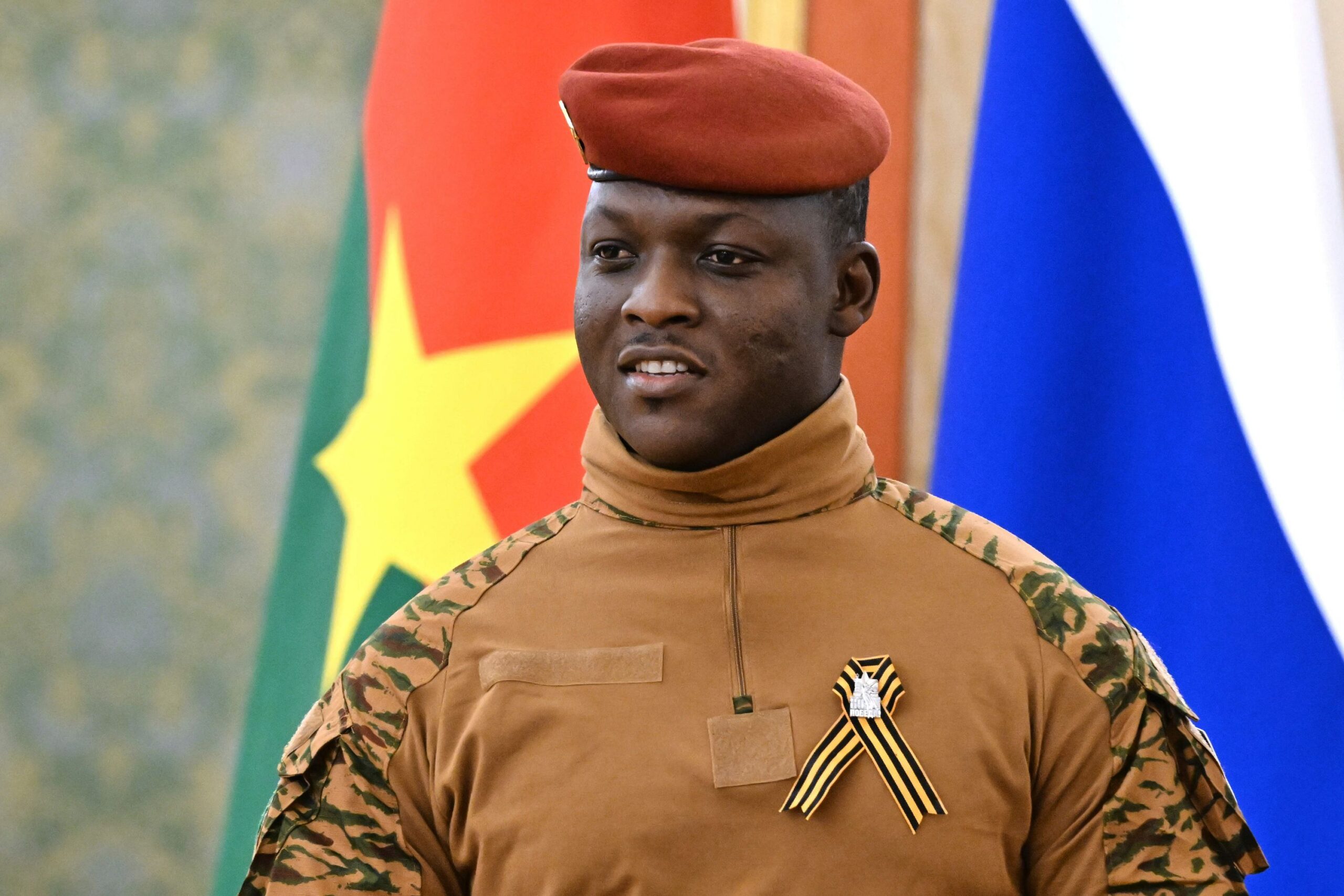
The President of Burkina Faso, Captain Ibrahim Traoré, has ignited a fierce debate across Africa and the Muslim world after openly addressing the historical enslavement of African populations by Arab powers during a televised address. His remarks, which directly confront a long-standing taboo, have resonated far beyond national borders, challenging centuries-old narratives and sparking urgent discussions on radical Islam’s ideological grip on the continent.
The head of state did not mince his words during his nationally broadcast speech. He unequivocally condemned the centuries-long practice of Arab-led slavery in Africa, a dark chapter often glossed over in regional and global historical accounts. Traoré’s bold stance marks a significant departure from conventional diplomatic rhetoric in West Africa, where such topics are typically avoided to preserve fragile interfaith and interethnic relations.
Confronting a painful legacy
The Burkinabè leader framed his criticism within a broader critique of radical Islam, which he accused of perpetuating divisive ideologies that threaten social cohesion in Burkina Faso and neighboring Sahel nations. His statements come at a time when the region grapples with escalating insecurity fueled by extremist groups exploiting religious narratives to recruit followers and justify violence.
Traoré’s address was not merely historical—it was a deliberate provocation aimed at reshaping public discourse. By publicly naming the Arab slave trade as a foundational injustice in Africa, he sought to dismantle the silence surrounding this issue, which many analysts argue has contributed to ongoing ethnic tensions and mistrust across the continent.
A regional awakening?
The repercussions of Traoré’s speech have been immediate. Religious leaders, historians, and civil society groups have begun re-evaluating long-held beliefs about the intersection of Islam, slavery, and post-colonial identity in Africa. Some prominent Muslim scholars in West Africa have responded by acknowledging the historical realities Traoré highlighted, though they have stopped short of endorsing his broader political critique of radical Islam.
Meanwhile, ordinary citizens across Burkina Faso and neighboring countries are engaging in heated debates on social media and community forums. For many young Africans, Traoré’s words represent a long-overdue challenge to a sanitized historical narrative that has often prioritized political expediency over truth.
Challenges to traditional narratives
The Burkinabè president’s refusal to conform to diplomatic norms has drawn both praise and condemnation. Critics argue that his approach risks inflaming religious divisions at a time when regional stability is already fragile. Supporters, however, view his stance as a courageous step toward confronting uncomfortable truths that have long been buried beneath layers of political and religious compromise.
As Burkina Faso navigates its complex socio-political landscape, Traoré’s speech has set a precedent for future discussions on historical justice and ideological extremism. Whether his bold rhetoric will translate into tangible policy changes remains to be seen—but one thing is certain: the conversation he has ignited shows no signs of fading.