Eight years after abolition, Burkina Faso reinstates death penalty amid escalating security crisis
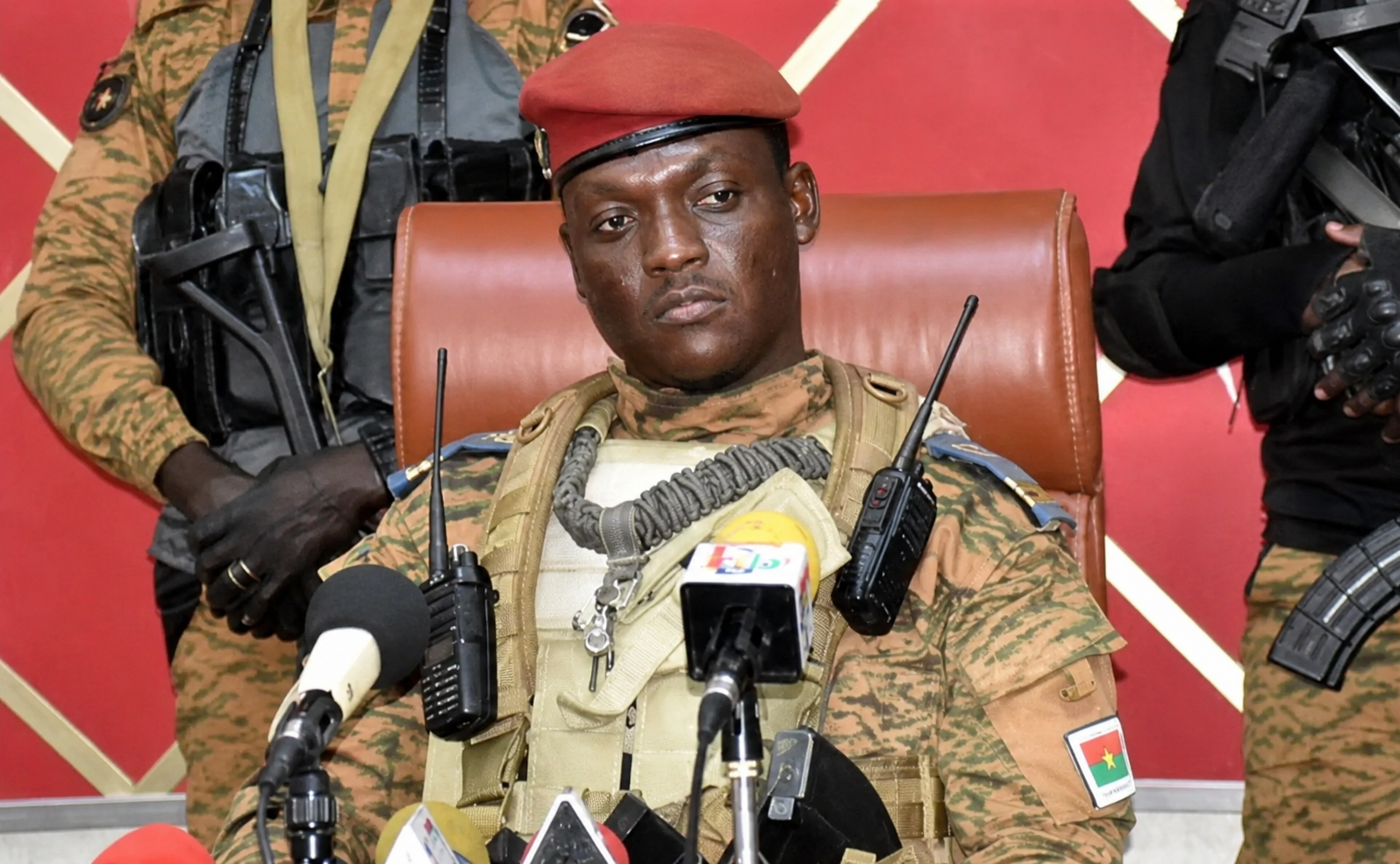
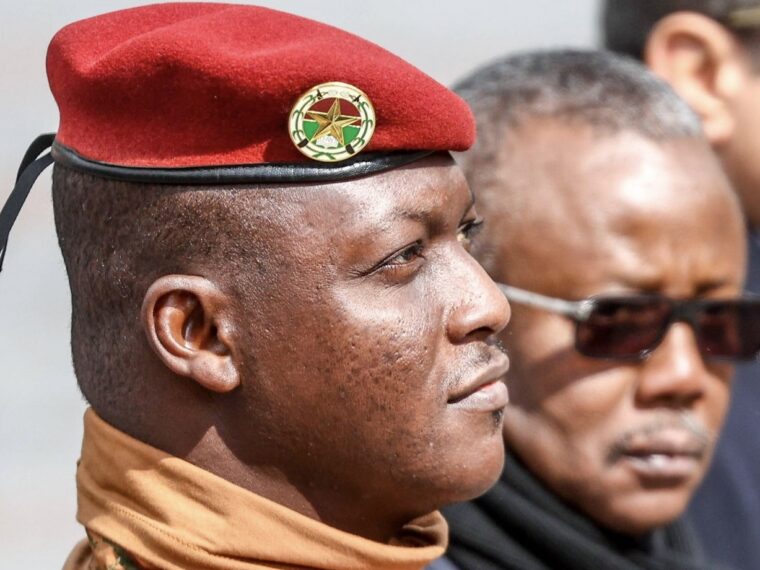
The National Assembly of Burkina Faso voted unanimously on October 20 to reintroduce capital punishment, eight years after its abolition. The move, led by the military regime of Captain Ibrahim Traoré, marks a dramatic shift in the country’s justice system, raising urgent questions about human rights and national security.
- Security & Justice
- Updated October 20, 2026

The decision to bring back the death penalty comes as Burkina Faso faces one of the worst security crises in its history. With over 2,500 civilians killed by armed groups in 2026 alone, the transitional government has framed the new penal code as a necessary measure to restore public order and deter violent crime.
According to the official statement from the Ministry of Justice, the reformed penal code includes the death penalty for crimes such as terrorism, treason, espionage, parricide, and the importation of expired or banned products that result in death. The last recorded execution in Burkina Faso dates back to 1988, a period that critics argue demonstrates the penalty’s limited deterrent effect.
Human rights organizations have strongly condemned the move. Critics argue that reinstating capital punishment not only undermines Burkina Faso’s democratic progress but also risks violating international human rights standards. The shift has sparked heated debate across civil society, with many questioning whether the death penalty will truly enhance national security or simply fuel further polarization.
The vote by the 71-member Legislative Assembly—composed entirely of unelected officials under military rule—has intensified concerns about the transparency and legitimacy of Burkina Faso’s legal reforms. As the country grapples with ongoing insurgency and humanitarian emergencies, the timing and implications of this legislative change remain deeply controversial.