Gaskindé: a pivotal attack that reshaped Burkina Faso
The northern town of Djibo was cut off from the outside world in September 2022, its residents trapped behind enemy lines as jihadist forces tightened their grip. On the 26th of that month, a military convoy carrying vital supplies to the besieged city became the target of a devastating ambush in Gaskindé. The attack, claimed by the Group for the Support of Islam and Muslims (Jama’at Nusrat al-Islam wal Muslimin, or JNIM), an Al-Qaeda affiliate, left at least 37 dead, including 27 soldiers, and left dozens wounded.
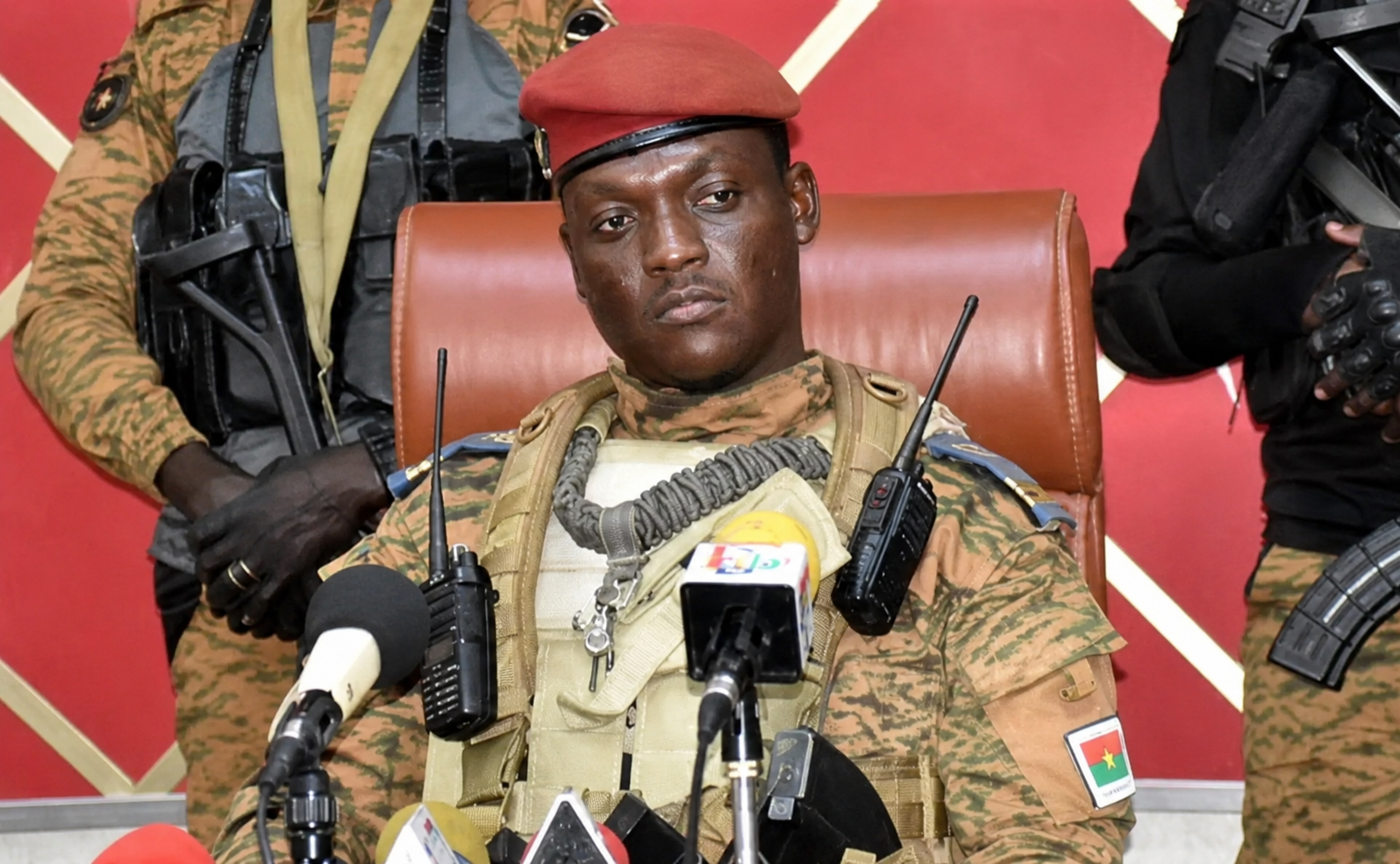
Beyond the human toll, the assault sent shockwaves through the nation’s political landscape. Within days, on September 30, 2022, Captain Ibrahim Traoré overthrew interim leader Lieutenant-Colonel Paul-Henri Sandaogo Damiba in a swift military coup. The sequence of events raised immediate questions about the circumstances of the Gaskindé attack and its role in justifying the power shift.
A stalled investigation
In the hours following the ambush, military authorities announced the launch of internal probes to uncover how such a precise strike could have occurred. Key areas of inquiry included:
- The attackers’ exceptional level of preparation—suggesting prior reconnaissance;
- The precise knowledge of the convoy’s route, raising concerns about possible intelligence leaks;
- Security failures in the escort operation, including potential weaknesses in military protocols;
- The possibility of internal complicity within the armed forces.
These questions demanded thorough investigation, but the probe was abruptly halted by the coup that brought Traoré to power. To this day, no comprehensive public report has been released to clarify the attack’s details.
A persistent lack of transparency
In any state facing a large-scale attack, several standard responses are expected: a transparent investigation, a detailed public report, the identification of those responsible, and, where applicable, legal consequences. Yet in the case of Gaskindé, these expectations remain unmet.
Three critical gaps continue to fuel public skepticism:
- No official disclosure of investigative findings;
- No public accountability for potential internal failures;
- No closure for victims’ families, who remain unaware of the exact circumstances surrounding their loved ones’ deaths.
This opacity deepens distrust between citizens and the military leadership, undermining the credibility of institutions.
From tragedy to justification for power
The Gaskindé ambush quickly became a central argument for the perceived failure of Damiba’s government to restore security. Traoré cited the deteriorating security situation as justification for his coup, positioning himself as the leader capable of reversing the crisis.
Yet the new regime’s inability—or unwillingness—to fully investigate one of the defining attacks of its rise raises a troubling question: if the coup aimed to correct the previous administration’s shortcomings, why has it failed to address the Gaskindé tragedy with the same urgency?
A transparent inquiry into the attack could have served as a powerful gesture of accountability, restoring public confidence. Instead, the lingering ambiguity surrounding Gaskindé leaves a paradox: the very event that helped legitimize Traoré’s rule remains shrouded in uncertainty.
The cost of opacity in governance
Leadership founded on promises of change bears a dual responsibility: to expose past failures and to uphold transparency itself. Governance is not merely about denouncing predecessors; it requires concrete answers to lingering questions.
By withholding clear information about the Gaskindé investigation, the military leadership risks reinforcing a damaging perception: demanding accountability from others while avoiding scrutiny of its own actions. Such a stance fosters suspicion and erodes institutional trust over time.
Internal failures in the fight against terror
Global counterinsurgency efforts have repeatedly shown that armed groups exploit weaknesses within state institutions—gaps in intelligence, corruption, infiltration, or command dysfunctions. Reducing Burkina Faso’s crisis to the sole actions of jihadist groups would ignore the internal factors that enable their advances.
When a military convoy falls victim to a well-planned ambush, the examination of internal responsibilities becomes essential. The fight against terrorism depends not only on operational success but also on the ability of institutions to identify and address their own shortcomings.
A strong army is built on trust—between soldiers, their commanders, and the population. That trust cannot endure when national tragedies remain mired in ambiguity.
The enduring demand for truth
Nearly four years after the Gaskindé attack, the case remains a sensitive chapter in Burkina Faso’s political narrative. The families of the victims, the soldiers on the front lines, and the broader public deserve clarity on how such a tragedy occurred.
This is not merely a political issue; it is a matter of justice, remembrance, and public accountability. History demonstrates that no nation can achieve lasting stability while shrouded in unanswered questions. The events of Gaskindé will continue to haunt Burkina Faso until a credible, independent, and transparent inquiry sheds full light on what transpired.
Only then can the country truly turn this page—and restore the confidence of its people in its institutions.