The 7th session of the Bénin-Morocco Joint Cooperation Commission, held in Cotonou, has set a new benchmark for South-South partnerships by finalizing 14 landmark agreements. This milestone gathering not only strengthened bilateral ties but also laid a robust foundation for shared economic growth, positioning both nations as key players in regional development.
Diplomatic momentum redefines Bénin-Morocco relations
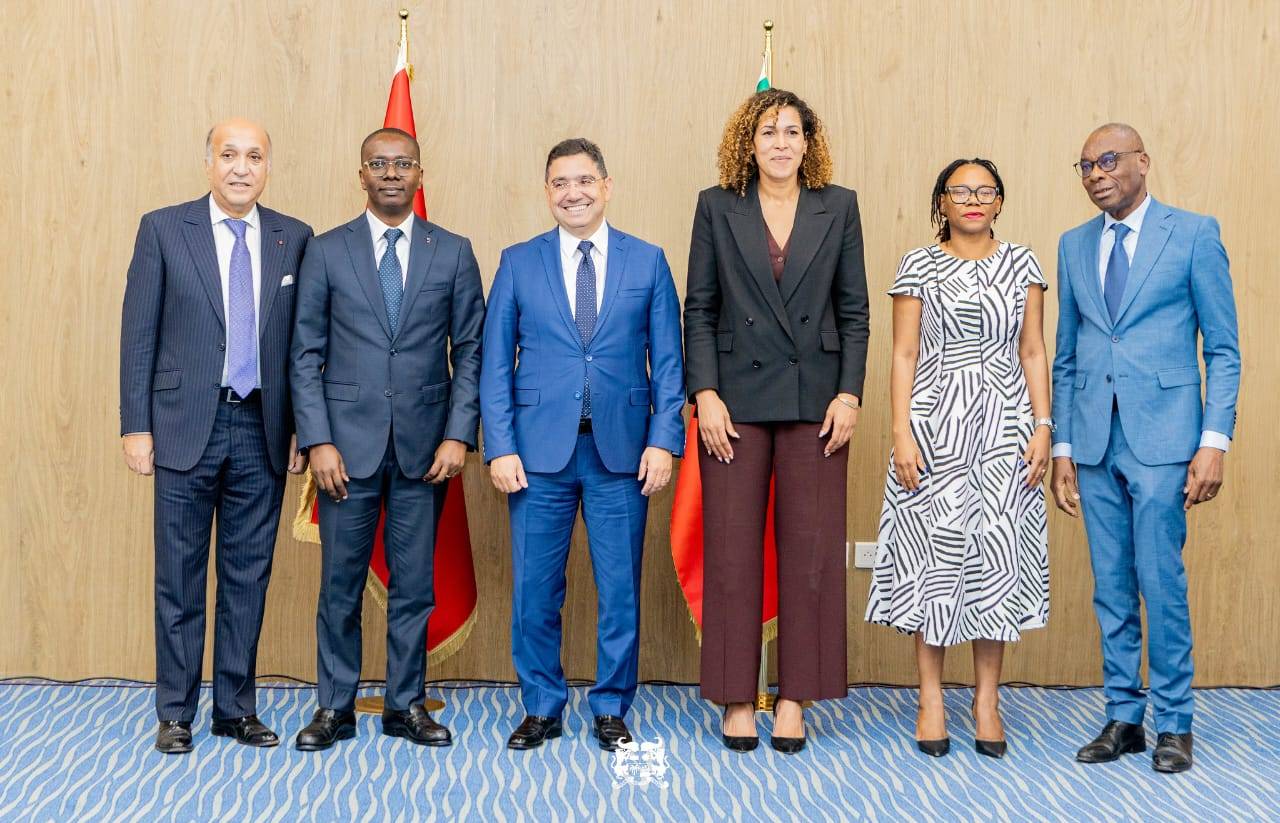
The historic meeting in Cotonou on July 21, 2026, brought together high-level delegations from both countries, including Morocco’s Foreign Minister Nasser Bourita and Bénin’s Minister of Higher Education Sèdami Medegan Fagla. The discussions underscored a shared commitment to deepening collaboration across multiple sectors, with a strong emphasis on economic integration and mutual prosperity.
Minister Bourita praised Bénin’s political maturity and praised the strategic vision of President Romuald Wadagni, reaffirming Morocco’s dedication to becoming a cornerstone partner in Bénin’s development journey. The two nations demonstrated an unwavering alignment in their diplomatic and economic objectives, signaling a new era of cooperation.
Economic synergy takes center stage
The summit’s focus on tangible economic outcomes reflects a broader shift toward pragmatic South-South cooperation. As Bénin’s Minister Hugues Oscar Lokossou noted, « The Bénin-Morocco cooperation model is a direct response to the aspirations of our people. By pooling our strengths—financial resources, expertise, and innovation—we are laying the groundwork for sustainable shared prosperity. »
Key sectors identified for collaboration include banking, port logistics, and agro-industry, where Morocco’s proven expertise aligns seamlessly with Bénin’s modernization agenda. The agreements aim to streamline trade, enhance investment flows, and foster business mobility, creating an enabling environment for private sector growth.
14 strategic pacts to reshape the future
The cornerstone of the session was the signing of 14 comprehensive cooperation agreements, covering an unprecedented range of areas:
- Economic and Commercial Collaboration: Facilitating trade, protecting investments, and encouraging joint ventures to stimulate cross-border business activity.
- Education and Capacity Building: Expanding scholarship programs and academic exchanges to nurture a skilled workforce for both nations.
- Security and Cultural Exchange: Strengthening security frameworks while promoting sports, cultural, and religious cooperation to foster people-to-people ties.
Next steps: From vision to action
With the roadmap now in place, the focus shifts to implementation. Bénin’s Minister of Foreign Affairs, Corinne Amori Brunet, emphasized the urgency of translating these agreements into measurable results, stating, « We are not just signing documents—we are building a future together. The next steps will be taken in Rabat, where we will lay the groundwork for the tangible outcomes of this partnership. »
The decision to hold the next meeting in Rabat sends a clear message: this alliance is built on action, not just words. Public and private sector stakeholders can expect a structured rollout of projects within the coming months, with a strong emphasis on measurable economic and social impact.
A model for continental integration
By balancing economic ambition, security imperatives, and cultural exchange, Cotonou and Rabat have demonstrated that pragmatic bilateral cooperation can drive meaningful progress. This partnership could serve as a blueprint for other African nations seeking to strengthen regional integration while maximizing the benefits of South-South collaboration. As the first initiatives take shape, all eyes are on the immediate economic and industrial dividends this historic alliance promises.