In Burkina Faso, the transition period remains stalled, with no clear path toward restoring constitutional order. Two years after the military coup, the governing authorities have increasingly restricted civic and democratic space, suppressing dissenting voices and obstructing fundamental freedoms. The International Federation for Human Rights (FIDH) strongly condemns these systematic abuses and urges the restoration of the rule of law.
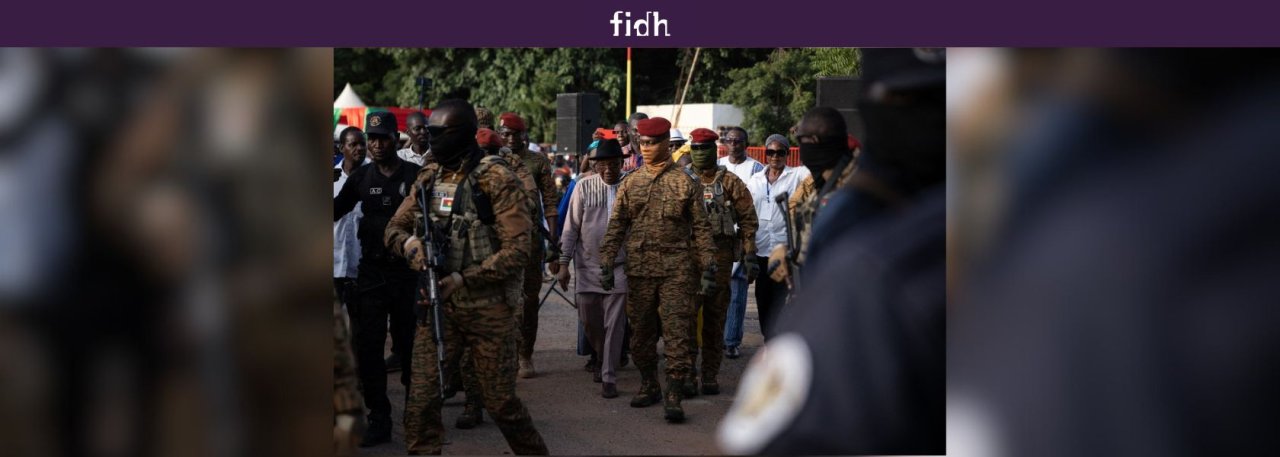
Nairobi, Dakar, Paris, September 30, 2024. Since seizing power in the coup of September 30, 2022, the Burkinabè authorities have established a repressive system targeting any criticism of their human rights record. Journalists, activists, and political opponents face a daily barrage of threats, including abductions, forced disappearances, and compulsory military conscription. A climate of intimidation is further fueled by hate speech circulating on social media platforms.
The FIDH demands that Burkinabè authorities immediately halt these attacks and release all individuals held in arbitrary detention. Furthermore, the organization calls for full compliance with national and international human rights obligations.
“Silencing civil society and persecuting those who defend human rights, report the news, or oppose the government is unacceptable, especially when the transition was meant to focus on state reform and improved governance,” stated Me Drissa Traoré, FIDH Secretary General. “Civil society must be protected, and the rights to freedom of expression, association, and assembly must be upheld.”
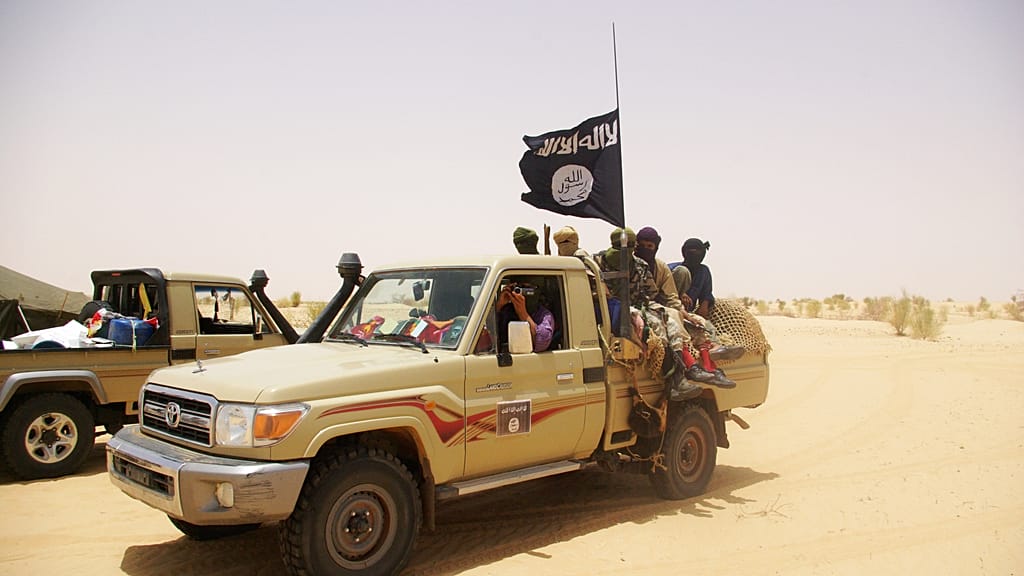
Despite the regime’s promise to resolve the ongoing armed conflict, the FIDH notes a surge in violence against civilians by all parties involved. A notable attack on August 24, 2024, claimed by the Group for the Support of Islam and Muslims (JNIM), resulted in significant casualties among civilians and security forces, drawing widespread condemnation from the FIDH and the Sahel Citizens’ Coalition.
Forced conscription as a tool of repression
Since late 2023, the government has used mandatory military enrollment to punish critics. Under the April 2023 general mobilization decree, numerous activists and journalists, including Dr. Daouda Diallo and politician Ablassé Ouédraogo, have been abducted and sent to the front lines.
This practice has extended to the judiciary, compromising the separation of powers. In August 2024, at least five magistrates were forcibly conscripted after handling legal cases involving individuals perceived as close to the regime. Alice Mogwe, President of the FIDH, denounced this as a violation of both the Burkinabè Constitution and the African Charter on Human and Peoples’ Rights.
The erosion of press freedom
Information rights are under constant assault. Local media are strictly controlled, international outlets are banned, and journalists are pressured to adopt a “patriotic” stance. High-profile cases, such as the abduction of investigative journalist Atiana Serge Oulon on June 24, 2024, highlight the severe threats facing the media. The African Commission on Human and Peoples’ Rights (ACHPR) has expressed grave concern regarding these disappearances.
Targeting the families of exiles
Recent weeks have seen a rise in violence against the families of former officials. Between September 11 and 16, 2024, relatives of former Foreign Minister Djibril Bassolé were subjected to physical attacks and kidnappings, largely incited by pro-regime activists. The FIDH urges the African Union and the United Nations to intervene to end this cycle of violence.