Ouagadougou has long wielded anti-Western rhetoric as a cornerstone of its political narrative, positioning Russia as a strategic alternative to European partners. Yet recent diplomatic overtures to Brussels suggest a sharp contrast between words and action.
Diplomatic outreach to Europe follows unfulfilled Moscow commitments
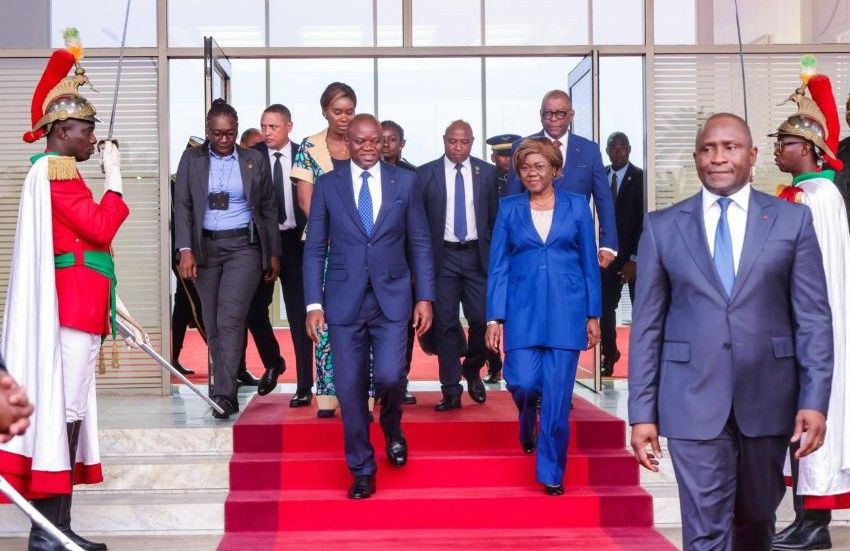
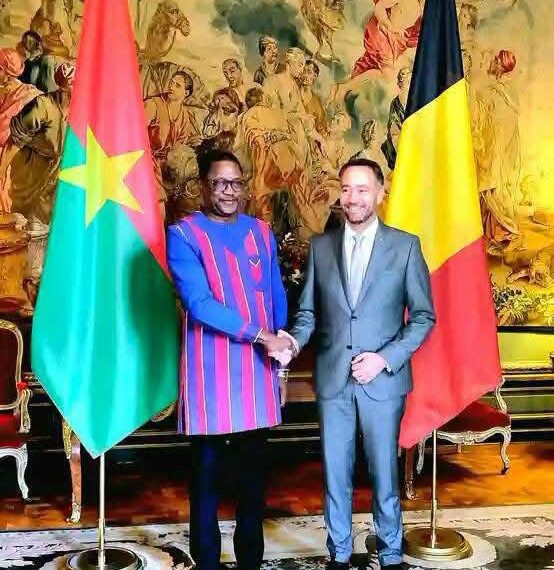
On November 4 and 5, 2026, Burkina Faso’s foreign minister, Karamoko Jean Marie Traoré, met with EU High Representative Kaja Kallas and Belgian Deputy Prime Minister Maxime Prévot. This high-level engagement came just days after Burkina Faso participated in the Russia-Africa Economic and Humanitarian Forum in Moscow, where the country pinned hopes on bolstering ties with its newfound ally.
The forum saw the signing of a memorandum between the Confederation of Investment and Development Banks of the AES and Russia’s VEB.RF a symbolic gesture rather than a financial lifeline. The agreement outlines cooperation frameworks, yet tangible funding remains conspicuously absent, raising questions about Russia’s ability to replace Western financial partners.
Budget deficits expose financial urgency
Burkina Faso’s 2026 budget reveals a widening fiscal gap: projected revenues of 3.4 trillion CFA francs fall short of planned expenditures totaling 3.9 trillion, leaving a deficit of 486.8 billion. The IMF forecasts a 4% GDP deficit for the same year, underscoring the country’s pressing need for external financing. While not indicative of empty coffers, these figures highlight the scale of resources required to sustain security, social programs, and infrastructure projects.
Amid these financial pressures, Ouagadougou’s continued reliance on traditional partners despite public criticism paints a nuanced picture of its economic strategy.
Belgium pledges €40 million in development aid
Following the meetings in Brussels, Belgium announced a €40 million commitment via its international cooperation agency, Enabel, for post-2027 aid. This decision underscores the enduring role of European partnerships in Burkina Faso’s development agenda.
The Burkinabe delegation also engaged with European Commission officials and operational bodies like Enabel and Bio Invest, signaling a renewed focus on pragmatic cooperation. Such steps make it difficult to sustain the narrative of a definitive break from Europe.
Rhetoric vs. reality: the costs of ideological posturing
Where are Moscow’s promised funds?
The junta’s anti-Western stance has often framed Russia as a viable substitute, yet concrete financial outcomes remain elusive. Public declarations of partnership must now be measured against the absence of visible investments or disbursements. If Moscow was to truly replace Brussels, where are the funds to back this claim?
Can sovereignty thrive on financial contradictions?
Publicly denouncing European influence while privately negotiating aid creates a credibility gap. How can Burkina Faso justify rejecting Western partnerships on ideological grounds while simultaneously seeking their financial support to meet national needs?
Similarly, if Russia is positioned as the primary alternative, why has its role not translated into measurable economic benefits for the population? Development requires resources, not slogans and sovereignty is measured by outcomes, not rhetoric.
Pragmatism takes precedence over political posturing
Brussels’ renewed financial commitment reflects an economic reality: diversifying partners is not an ideological choice but a necessity. Burkina Faso has the sovereign right to engage with any nation, but its leadership must reconcile public statements with on-the-ground actions.
The central question remains unanswered: after championing Moscow as a solution to Burkina Faso’s challenges, what tangible financial results can the transition government now demonstrate? Until then, the population’s needs and Brussels’ euros will continue to shape the country’s financial future.
By Agnès Mvogo — Journalist