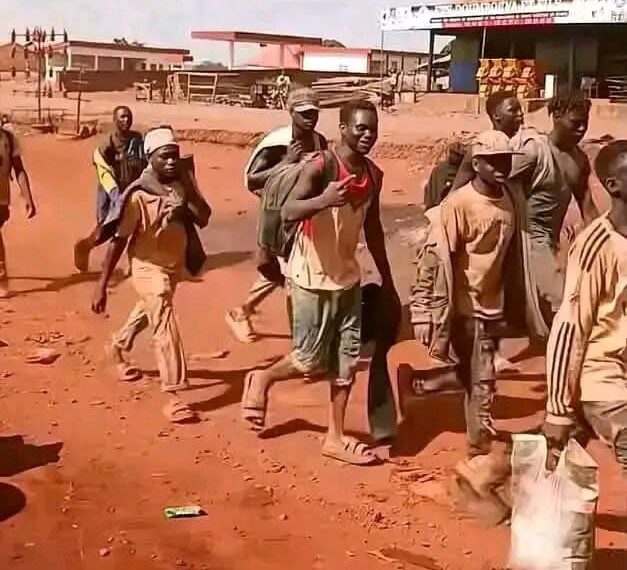
The clandestine extraction of gold by Burkinabè nationals in neighboring countries is triggering urgent questions about accountability, border integrity, and environmental stewardship. As Burkina Faso’s artisanal miners increasingly operate across borders, the ecological fallout soil depletion, water contamination, and deforestation disproportionately burdens local communities left to grapple with irreversible land degradation.
Unregulated mining’s hidden environmental costs
Illegal gold panning is far from a victimless crime. Behind the pursuit of profit lie stark environmental consequences: toxic runoff from mercury use poisons rivers, abandoned pits collapse underfoot, and fertile land is stripped bare. For rural populations dependent on agriculture and clean water, the damage is existential and often permanent. The irony? Many of these miners operate without regard for the laws of the countries they enter, yet expect their own nation to intervene when their own lands face similar threats.
Diplomatic frictions over expulsion and enforcement
When neighboring governments detain and expel Burkinabè miners caught in illegal activities, the response from Burkina Faso often frames the issue as a violation of its citizens’ rights. While protecting nationals is a sovereign duty, it cannot eclipse the duty to uphold environmental justice. Rather than contesting expulsions, Burkina Faso could leverage diplomatic channels to address the root cause: the unchecked cross-border mining operations fueling regional tensions.
The question arises: If Burkinabè miners face expulsion abroad for environmental crimes, how should their government justify tolerance or worse, tacit encouragement of such practices on its own soil? The double standard is glaring. Burkina Faso’s own communities could face identical destruction if the model of unregulated extraction spreads unchecked.
From expulsion to education: a path forward
Deportation alone fails to curb illegal mining. Returning miners could serve as a wake-up call for Burkina Faso to enforce stricter domestic regulations and launch public awareness campaigns. Many may not realize the long-term ecological harm their activities cause until the damage hits home. For instance, if these same practices were to proliferate in Burkina Faso’s rural north, how long would locals tolerate the destruction of their ancestral lands and water sources?
Environmental protection cannot be a selective principle. Whether in Benin, Ghana, Ivory Coast, or Burkina Faso, fertile soil and clean water are non-negotiable. No nation should become a free-for-all for opportunists exploiting its resources while evading accountability.
Solidarity with neighbors means shared responsibility
The core issue is not pitting Burkinabè citizens against their neighbors. It’s about recognizing that environmental solidarity transcends borders. Burkina Faso’s government can and should defend its people while simultaneously advocating for cooperative frameworks with neighboring states. Joint border patrols, stricter licensing for artisanal miners, and cross-border environmental monitoring could curb illegal operations without straining diplomatic ties.
Ultimately, the message is simple: respecting the lands of others is the first step toward safeguarding one’s own. Until Burkina Faso confronts the environmental crimes committed beyond its borders with the same urgency it defends its nationals, the cycle of degradation will persist. And when its own communities suffer the consequences, the reckoning will arrive too late.
By Agnès Mvogo — Journalist