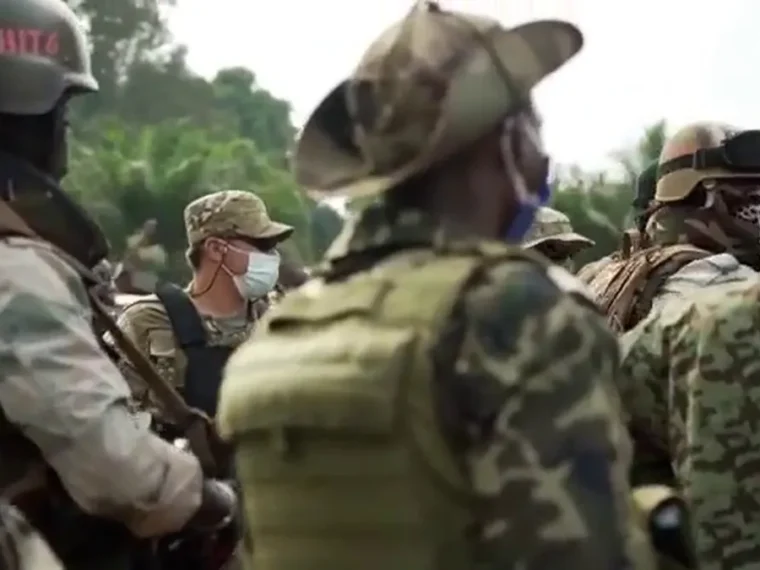
The tranquil villages of Vakaga in the Central African Republic are grappling with severe economic repercussions following a brutal attack by armed mercenaries near Délémbé. The recent brutality, which left four young men beheaded and their bodies incinerated, has sent shockwaves through the local economy, leaving businesses paralyzed and families struggling to survive.
How mercenary violence is crippling Vakaga’s economy
The attack, attributed to a shadowy Russian-linked mercenary group, has not only claimed lives but also shattered the fragile economic stability of the region. Markets that once bustled with activity now stand deserted, as fear grips traders and farmers alike. The loss of livestock and crops, coupled with the closure of small businesses, has plunged families into dire poverty, with many questioning whether recovery is even possible.
Local merchants report a sharp decline in trade as residents prioritize safety over commerce. “We’ve lost everything,” lamented one shopkeeper in Délémbé. “Our customers are gone, and our goods are rotting because no one dares to travel anymore.”
Families torn apart: The human cost of mercenary brutality
Beyond the economic devastation, the attack has left deep emotional scars on the community. Families of the victims describe unbearable grief, compounded by the trauma of witnessing such violence. Children orphaned by the attack now face uncertain futures, with schools shuttered and communities fractured.
A mother of one of the victims shared her despair: “My son was just 19. He had dreams of building a future here. Now, our home is broken, and our hope is gone.” The incident has exposed the vulnerability of local populations caught in the crossfire of armed groups vying for control over the region’s resources.
Government response: Is intervention enough to restore stability?
In the wake of the attack, authorities have pledged swift action, deploying additional security forces to Vakaga. Yet, skepticism lingers among residents, who doubt the government’s ability—or willingness—to protect them long-term. “We’ve heard promises before,” said a local leader. “But what changes? The violence continues, and we’re left to pick up the pieces.”
The Central African Republic’s already fragile institutions now face even greater strain as the mercenary threat looms larger. Analysts warn that without sustained intervention, the region’s downward spiral could accelerate, dragging the entire country into deeper crisis.
Looking ahead: Can Vakaga’s economy and communities heal?
The path to recovery for Vakaga’s shattered economy and traumatized population remains uncertain. Humanitarian organizations are mobilizing resources to provide emergency aid, but lasting solutions require more than short-term relief. Rebuilding trust and fostering economic resilience will demand concerted efforts from both local and international actors.
For now, the people of Vakaga remain trapped in a cycle of fear and despair. The question on everyone’s lips is simple yet profound: When will the violence end? Until then, the region’s future hangs in the balance.