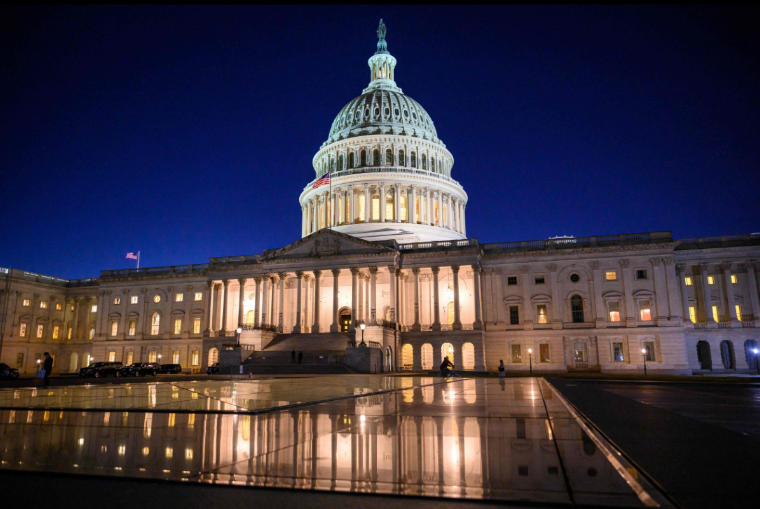
The midterm elections of November 3, 2026, delivered a decisive blow to Donald Trump’s political agenda. By reclaiming control of both the House and Senate, Democrats have handed the president one of the most significant setbacks of his political career. With his congressional support base crumbling, Trump now faces an emboldened opposition determined to challenge his foreign policy decisions at every turn.
Congress takes charge: a new era of checks and balances
For the first time since Trump’s return to the White House, Democrats will hold the reins of legislative power come January 2027. This shift fundamentally alters the balance of authority in Washington, stripping the president of the unilateral decision-making leverage he once enjoyed.
With control over federal budgets, oversight hearings, and the power to block key diplomatic appointments, Congress now wields substantial influence over foreign policy. While Trump retains command of the military and veto power over legislation, the new congressional majority can slow, scrutinize, or redirect his initiatives—particularly those tied to military spending, trade policies, and international alliances.
Iran conflict tests the limits of executive power
The ongoing military engagement in Iran has emerged as a flashpoint for congressional scrutiny. Trump’s February 28, 2026, intervention—launched without prior legislative approval—sparked widespread backlash, fueling demands for greater transparency and accountability. Democrats are now positioned to impose stricter oversight by slashing military funding, demanding detailed reports on operations, and scrutinizing the legal justifications for continued involvement.
The stakes are high. While Congress cannot unilaterally halt an active military campaign, it can restrict funding to limit escalation. This dynamic introduces a critical uncertainty: Trump’s foreign policy ambitions may now face roadblocks, potentially altering the trajectory of the conflict and signaling a shift in America’s strategic posture.
Ukraine and Europe: a glimmer of hope for transatlantic stability
For European allies battered by years of unpredictable U.S. diplomacy under Trump, the midterm results offer a rare opportunity for renewed partnership. The Democratic-controlled Congress has pledged to reinforce support for Ukraine, restore predictability in NATO commitments, and re-engage in multilateral diplomacy.
Yet the optimism is tempered by reality. While Congress can advocate for policy changes, Trump retains ultimate authority over military deployments, trade negotiations, and high-stakes diplomatic negotiations. Europe’s renewed warmth toward Washington may thus be fragile, dependent on whether the president chooses to embrace collaboration or double down on unilateralism.
Trade wars: Congress seeks to curb tariff chaos
Trump’s aggressive tariff policies have strained relations with key allies, from the European Union to Canada and Mexico. With Democrats in control of fiscal levers, scrutiny over trade decisions will intensify. Expect legislative challenges to tariff frameworks, demands for economic impact assessments, and potential efforts to roll back some of the most punitive measures.
Still, the president’s executive authority over trade policy limits Congress’s ability to effect rapid change. The result? A prolonged tug-of-war over commercial strategy, with global markets caught in the crossfire as the administration and legislature clash over the future of U.S. economic engagement.
America’s global standing at a crossroads
The midterm elections have exposed the fragility of American leadership on the world stage. Trump enters a precarious phase, his foreign policy ambitions constrained by an opposition unwilling to rubber-stamp his agenda. Allies and adversaries alike are left to weigh a critical question: Can the United States maintain its global influence amid deepening political divisions?
In an era defined by geopolitical rivalries and shifting alliances, this power struggle within Washington could have far-reaching consequences. The world is watching—not just to see if Trump can adapt, but whether America’s democratic experiment can still project coherence and stability in its most critical role: as a steward of international order.