Journalists in Niger are operating in an increasingly hostile climate, with press freedom deteriorating sharply since the July 2023 military takeover. Recent events, including the disappearance of prominent journalist Moussa Kaka, have intensified concerns about the state of media freedoms in the country.
Niamey remains at the center of these developments, where local media outlets face mounting pressures from regulatory crackdowns, economic hardships, and arbitrary arrests. The situation has drawn sharp criticism from international observers and human rights organizations.
Moussa Kaka’s disappearance raises serious questions
Moussa Kaka, a well-known journalist, vanished on August 31 after leaving the premises of Radio Télévision Saraounia (RTS) in the capital. His absence follows a violent mutiny in Niamey just two days earlier. While no official explanation has been provided, several international NGOs have urged Nigerien authorities to clarify his whereabouts without delay.
Regulatory restrictions and political pressure escalate
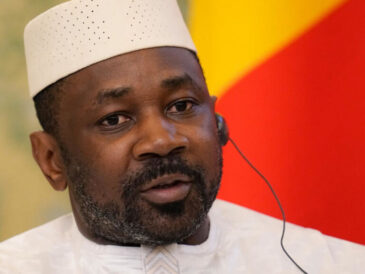
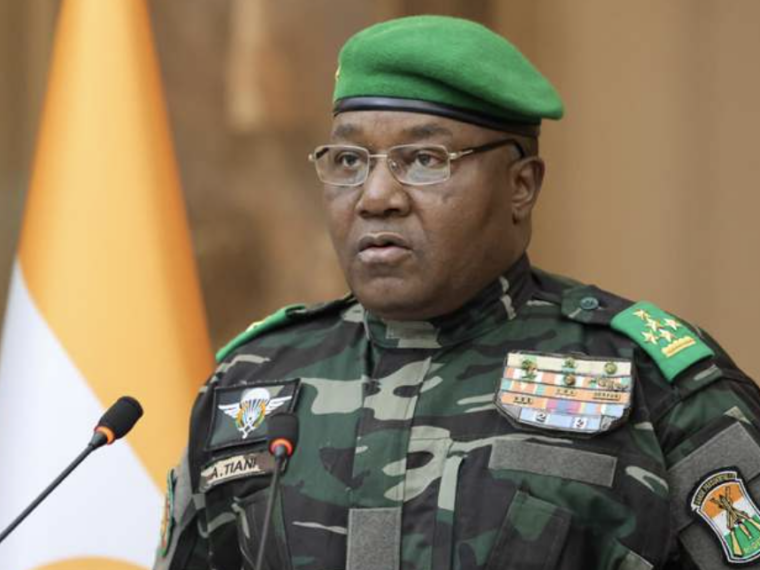
Since General Abdourahamane Tiani assumed power, media organizations have encountered growing obstacles. Niger has plummeted 37 places in Reporters Without Borders’ (RSF) World Press Freedom Index, now ranking 120th globally. Nine French media outlets have already faced suspension by the National Observatory of Communication, further tightening the noose on independent journalism.
Individual journalists have also borne the brunt of this repression. Ibro Chaibou, a sub-editor at RTS, was arrested last October under cybercrime legislation before being released. Similarly, journalist Samira Sabou was held in secret for eight days in 2023 on charges of disseminating information deemed harmful to public order.
Economic strain compounds media challenges
The pressures extend beyond legal restrictions. Media houses are struggling financially, while new regulations introduced on September 10 seek to further control electronic press and foreign correspondents. These measures signal a broader erosion of civic space in Niger, where the military government continues to tighten its grip on information flows.
For observers of Niger‘s current affairs, the trajectory is clear: press freedom is under siege, with little sign of respite in the near future.