Chad’s street vendors: women’s rise and children’s hidden struggles
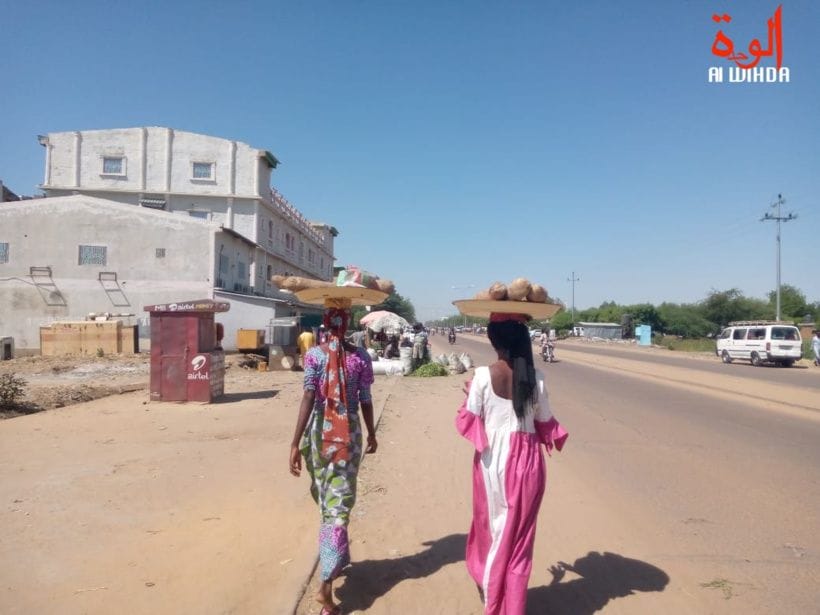
The streets of Chad’s bustling cities tell a story of resilience and quiet sacrifice. Every dawn, women balance towering trays of ripe mangoes, crispy beignets, and vibrant fabrics on their heads, weaving through crowded alleyways. Their voices rise above the noise of motorcycles and chatter, offering fresh produce to hurried passersby. In cities like N’Djamena, Moundou, and Abéché, their numbers grow daily—a tide of determination reshaping the urban landscape.
Aïcha, in her early thirties, walks with her youngest child strapped to her back. Since sunrise, she has sold roasted peanuts, her gaze fixed on potential customers. “It’s exhausting, but I’m in charge now,” she admits, extending a handful of nuts. Nearby, Fanta tends to sizzling pancakes on a makeshift stove, her five-year-old son playing with a scrap of plastic in the dust. These women, once confined to household confines, now claim the streets—negotiating, transporting, and enduring the harsh realities of daily survival.
Yet beneath this narrative of independence lies a troubling reality. Children accompany their mothers, coughing in the smoke of open fires, dozing under heavy loads, or begging for shade. In Abéché, a local resident recalls a scene that encapsulates the paradox: a seven-year-old boy, burdened by a bucket of water, shouted “one franc!” while his mother haggled over a kilo of millet. Schoolbooks gather dust as these children navigate the chaos of the markets. Is this the inevitable cost of women’s empowerment—or a silent crisis in the making?
The streets of Chad pulse with the energy of these women, yet their children’s futures hang in the balance. As the women carve out new paths, the next generation stumbles in their footsteps. What lies ahead for these young souls in the relentless dance of survival?