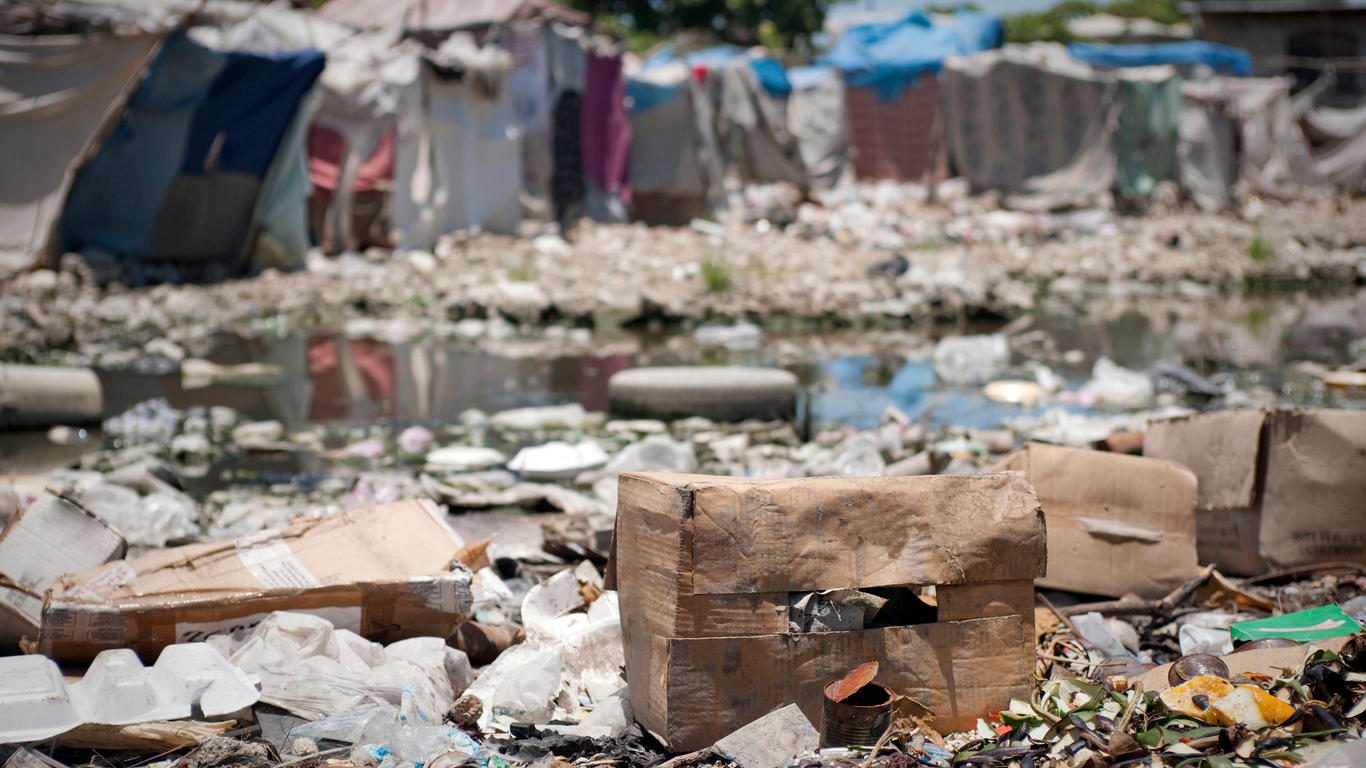
Cholera outbreak in Niger raises serious health concerns
Over 600 cholera cases reported in Maradi and Zinder regions in recent weeks.
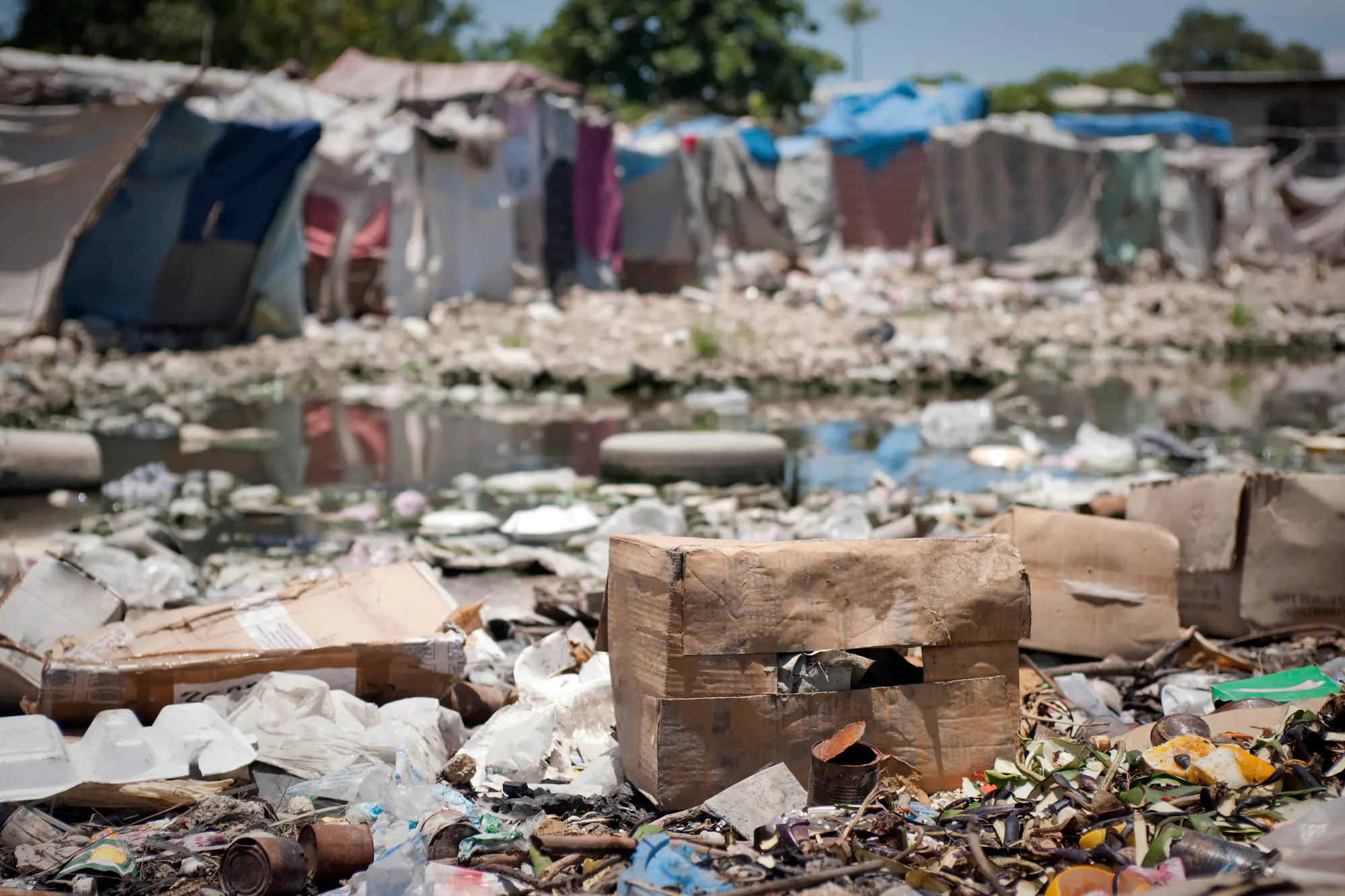
Current cholera situation in Niger
Intense rainfall along the Niger-Nigeria border has triggered a fresh cholera outbreak in West Africa. Health authorities report that more than 600 cases have been confirmed across the Maradi and Zinder regions of Niger.
The bacterial infection spreads through contaminated water and food, with 156 patients currently under treatment and 19 fatalities already recorded. While 400 individuals have recovered, health officials warn that vulnerable populations remain at high risk as immunity to the disease has waned since the last major outbreak in 2018.
Why cholera spreads rapidly in Niger
The cholera bacterium thrives in stagnant, contaminated water sources common during the rainy season. Several factors contribute to its rapid transmission:
- Poor sanitation infrastructure and limited access to clean drinking water
- Inadequate waste management systems and lack of proper latrines
- Deficient hygiene practices among local communities
- Cross-border movement between Niger and Nigeria complicating containment efforts
Government response and public health measures
In response to the crisis, health authorities have established dedicated treatment centers in the worst-affected areas. Medical teams are actively:
- Providing free treatment to infected patients
- Conducting community awareness campaigns on prevention methods
- Distributing hygiene kits and clean water supplies
- Strengthening surveillance at border crossings
Health experts emphasize that long-term solutions require investment in water sanitation infrastructure and improved healthcare access across rural communities.
How to protect yourself from cholera
While authorities work to contain the outbreak, individuals can reduce their risk by following these essential precautions:
- Drink only boiled or bottled water and avoid ice in beverages
- Wash hands frequently with soap and clean water, especially before eating
- Cook food thoroughly and consume it while hot
- Avoid raw vegetables, unpeeled fruits, and street food
- Use water purification tablets when clean water isn’t available
- Seek immediate medical attention if experiencing severe diarrhea or vomiting