Violent assaults leave six civilians dead in Dosso
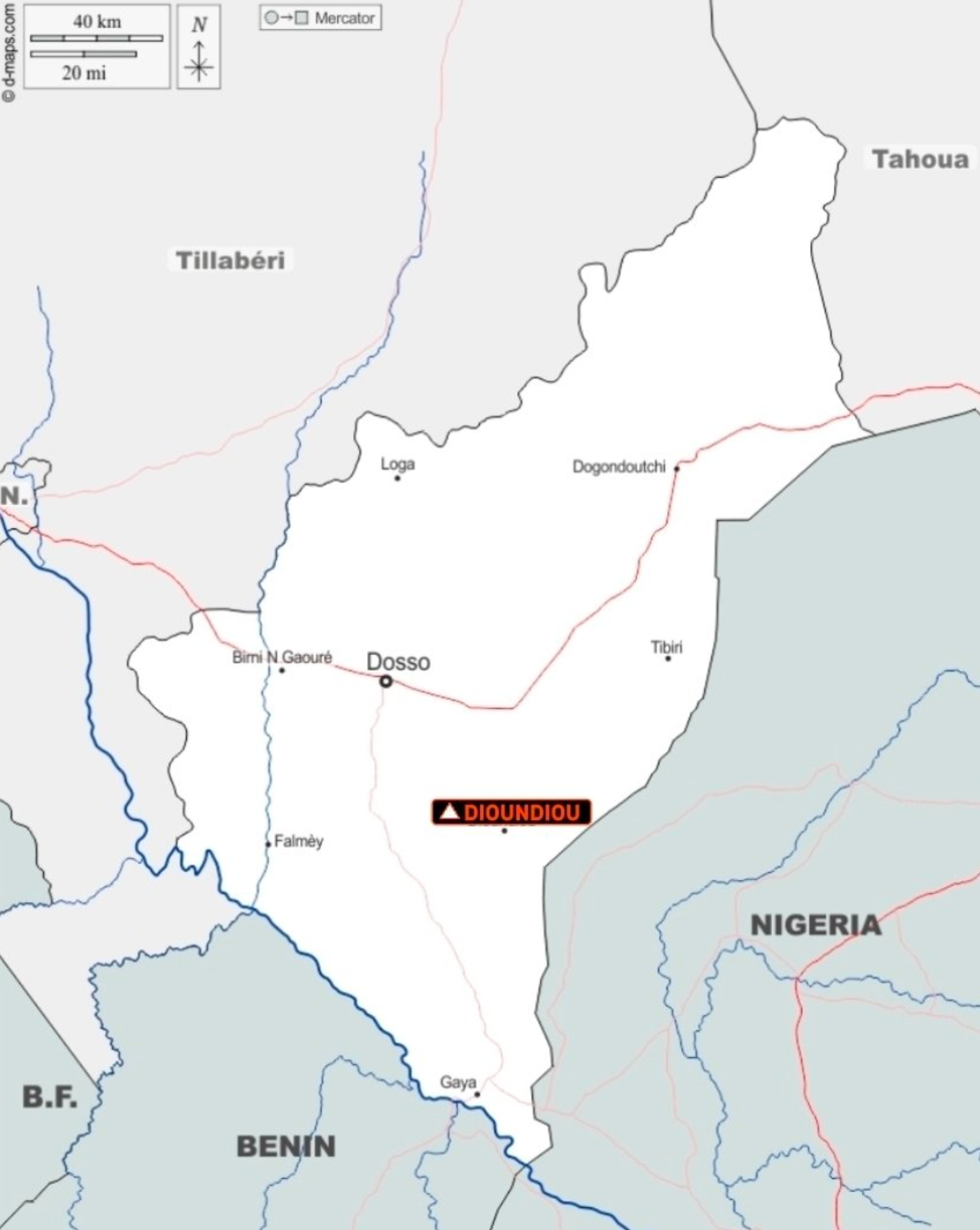
Two villages in Dosso have been devastated by a wave of unprecedented violence over the past four days. Libo I and Libo II, located in the Dioundou district, became targets of brutal attacks that have left deep scars on local communities. The first assault, which struck in the early hours of May 25, 2026, claimed the lives of six civilians, sending shockwaves through the region.
A second wave of terror followed on May 28, as armed assailants returned to complete their destructive mission. Homes were set ablaze, granaries reduced to ashes, and survivors were stripped of their last remaining resources. The attackers, displaying chilling efficiency, also seized livestock, depriving these already vulnerable populations of their primary means of survival.
The shadow of ISSP Lakurawa looms over Dioundou
Local accounts and security assessments point directly to the ISSP Lakurawa faction—an affiliate of the Islamic State in the Sahel Province—as the likely perpetrator of these atrocities. Known for its brutal tactics, the group has increasingly targeted border regions, exploiting gaps in security and the state’s weakened presence.
Their signature methods—nighttime raids, summary executions, systematic looting, and destruction of essential infrastructure—have become all too familiar in the region. For residents of Dioundou, where relative calm had persisted despite surrounding turmoil, these attacks mark a grim turning point, instilling widespread fear and uncertainty.
Junta’s military strategy fails to protect civilians
The latest violence underscores the stark failure of the National Council for the Safeguard of the Homeland (CNSP), which seized power in 2023. Despite promises to restore security nationwide, the situation has only worsened. A dramatic shift in geopolitical alliances, marked by the expulsion of Western forces and the embrace of new partners such as Russia and regional allies, has yet to translate into tangible protection for rural communities.
Joint patrols and newly announced defense strategies have proven ineffective against mobile, heavily armed groups that continue to operate with impunity. The tragic events in Libo I and Libo II are a stark reminder of the civilian population’s abandonment in the face of escalating terror.
Security breakdown spreads beyond rural areas
The attacks on Libo villages are not isolated incidents but part of a dangerous escalation gripping Niger. Recent months have seen a surge in bold assaults by armed groups, targeting not only remote villages but also critical infrastructure. High-profile attacks on airports and major logistics hubs—areas previously deemed secure—have exposed the fragility of the country’s defenses.
If even fortified zones like airports, symbols of national sovereignty, can be threatened, how can scattered military outposts hope to secure border villages such as Libo I and II? The expanding reach and tactical initiative of these terrorists paint a bleak picture of a nation struggling to contain the crisis.
A call for urgent action
Libo I and Libo II now stand as hollowed-out shells of their former selves, their populations decimated and displaced. The loss of six lives and the obliteration of livelihoods for hundreds of Nigeriens underscore the desperate need for a national wake-up call.
The junta’s rhetoric of sovereignty and political slogans ring hollow in the face of ground realities. With the ISSP Lakurawa and other terrorist networks tightening their grip, Niger faces the specter of deeper chaos unless a fundamental shift in military strategy and civilian protection is urgently implemented. The clock is ticking, and time is running out for countless communities on the brink.