Uvira’s fragile calm under the shadow of unkept promises
In the eastern reaches of the Democratic Republic of the Congo, the lakeside city of Uvira remains suspended in a state of uneasy anticipation. Residents and observers alike describe the current moment as a precarious pause—a temporary lull in hostilities that offers no guarantee of lasting security.
Local voices echo a shared sentiment: “We are living on borrowed time.” The phrase captures the collective anxiety gripping this community, where the specter of renewed violence looms large despite international assurances. Years of conflict have left deep scars, and trust in peace initiatives has eroded with each broken promise.
International pressure fails to translate into tangible change
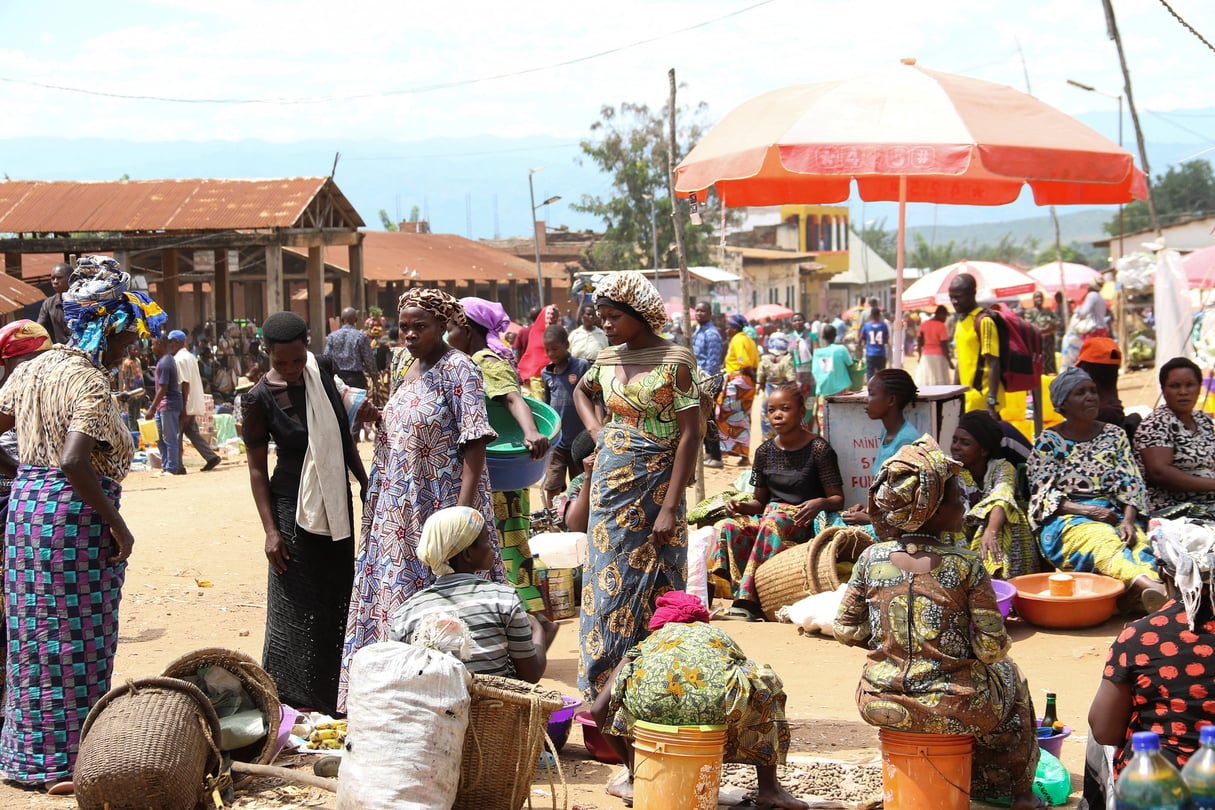
The region’s instability has drawn global attention, with high-profile figures weighing in on the crisis. Yet, for the people of Uvira, diplomatic rhetoric has done little to alter their daily reality. Markets that once thrived now operate under the weight of uncertainty, while families weigh the risks of displacement against the meager stability of staying put.
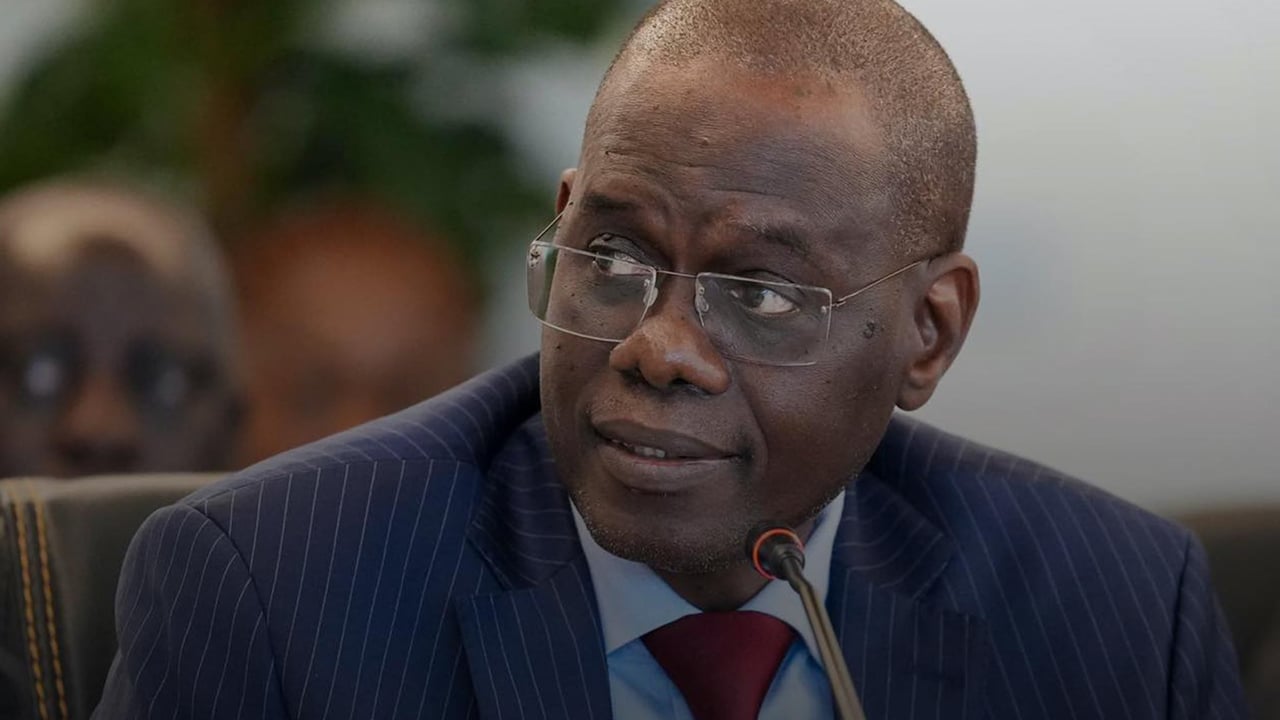
Among the key players in regional diplomacy, Félix Tshisekedi, Paul Kagame, and former Donald Trump‘s administration have all weighed in publicly. Their statements, however, have yet to spark the concrete actions needed to secure the area. The M23 rebel movement and allied forces continue to exert pressure, testing the resolve of local and international stakeholders.
Everyday life in Uvira: between resilience and resignation
The city’s resilience is evident in its markets, where vendors display goods with cautious optimism. Schools remain open, though attendance fluctuates as parents prioritize safety over education. Healthcare facilities operate at reduced capacity, stretched thin by the ongoing strain of conflict-related injuries and displacement.
For many, the idea of a peaceful future feels distant. “We hear the words, but we see no change,” shared one resident, who requested anonymity for safety reasons. The sentiment underscores a broader frustration: the disconnect between diplomatic assurances and the lived experiences of those most affected by the crisis.
What comes next for Uvira?
As the international community grapples with competing priorities, the people of Uvira face a stark choice: hold onto hope or succumb to despair. The absence of a clear path forward leaves them in a state of limbo, where every day brings a mix of relief and dread.
Local leaders are calling for urgent, coordinated action to prevent the situation from spiraling further. Without decisive intervention, the fragile calm could shatter, plunging the region back into the chaos it has fought so hard to escape.