Congo’s constitutional reform fuels sharp political divide
Tensions are escalating in Kinshasa as the debate over Democratic Republic of the Congo’s constitutional reform intensifies. The National Assembly approved the referendum framework on May 27, triggering a wave of criticism from opposition figures who view the move as an attempt to extend President Félix Tshisekedi’s grip on power. Meanwhile, supporters argue it is a necessary step toward institutional renewal.
Youth voices shape the debate
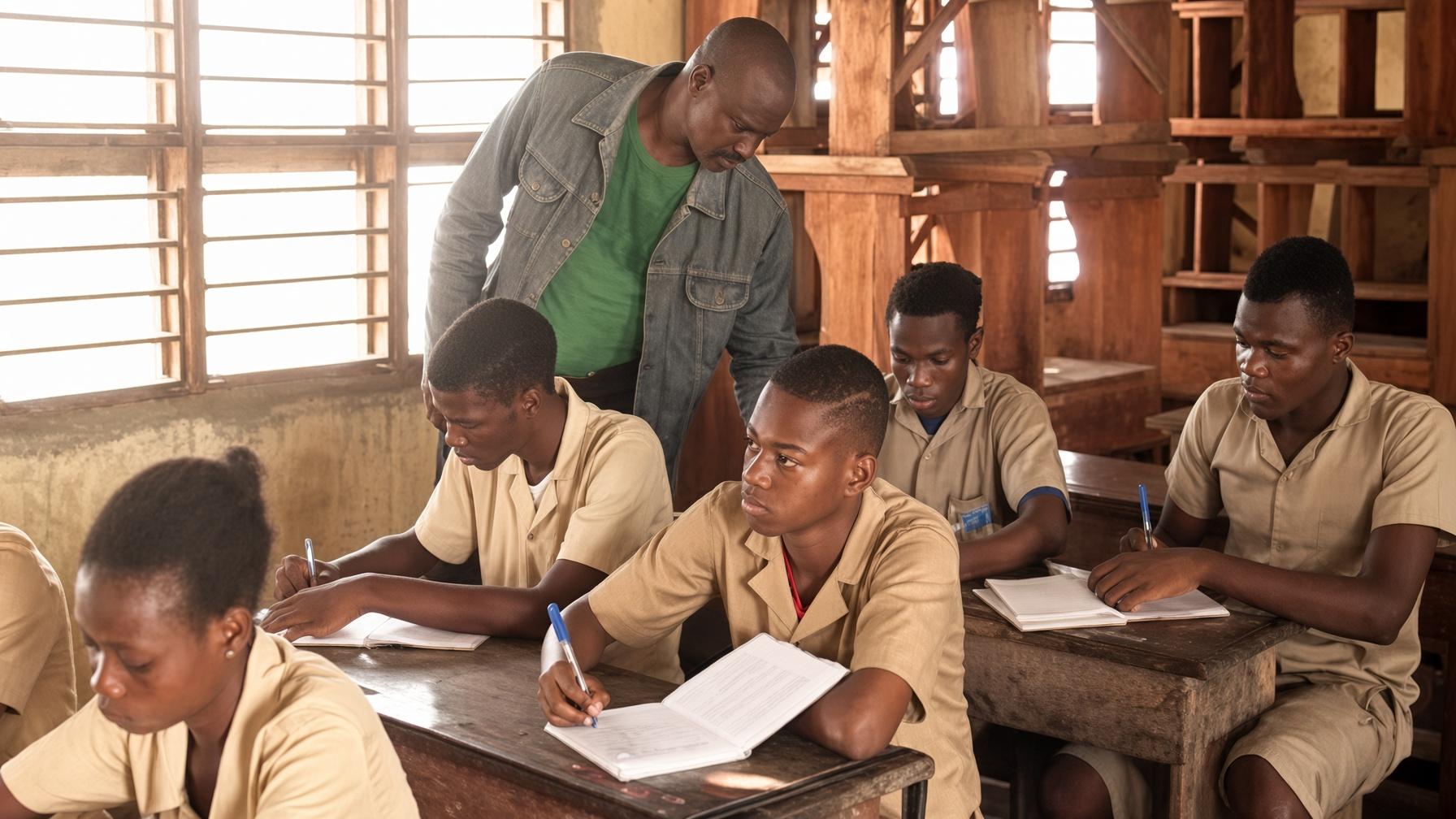
The constitutional reform has sparked deep divisions among Congo’s young population—the majority of the country’s citizens. While some see it as a historic chance to rebuild the nation’s institutions, others question its timing. In Kinshasa, young citizens express mixed reactions. Some believe it could address long-standing governance flaws, while others argue it distracts from pressing economic and security challenges.
Katumbi warns of ‘red line’ in constitutional changes
“The Constitution is not a shirt you change on a whim,” declared opposition leader Moïse Katumbi, sharply criticizing the reform. He accused President Tshisekedi of crossing a dangerous threshold that threatens democratic principles. In an exclusive interview, Katumbi addressed governance failures, the future of elections, and the risks of authoritarian drift.
Opposition coalition prepares legal challenge
On June 9 in Kinshasa, the opposition alliance C64 announced plans to file a lawsuit against President Tshisekedi. The coalition accuses him of attempting to seize power through unconstitutional means. Legal expert Jonas Ngalamulume cautioned that while the move is largely symbolic, it intensifies political pressure on the government. The lawsuit, though unlikely to yield immediate legal consequences, amplifies public scrutiny and fuels broader national debate.
As political positions harden, the constitutional reform is no longer just a legal issue—it has become a defining political struggle. With reform advocates pushing for change and critics denouncing authoritarian overreach, the future of Congo’s institutions now hangs in the balance, awaiting the next moves from both leadership and citizens.