Ebola in Congo: open borders and stronger response needed
With over 3,000 confirmed cases and nearly 1,500 deaths reported in the latest government update, the Ebola outbreak in the Democratic Republic of Congo continues to spread at an alarming pace. Health officials and humanitarian organizations warn of the epidemic’s exponential growth, with case numbers doubling every 20 days—far outpacing the current response efforts.
Julien Harneis, the United Nations’ top coordinator for Ebola response, emphasized the urgency of the situation during a press briefing. The outbreak is moving faster than containment measures can keep up, raising serious concerns about the country’s ability to curb the virus’s advance.
Keeping borders open to fight Ebola
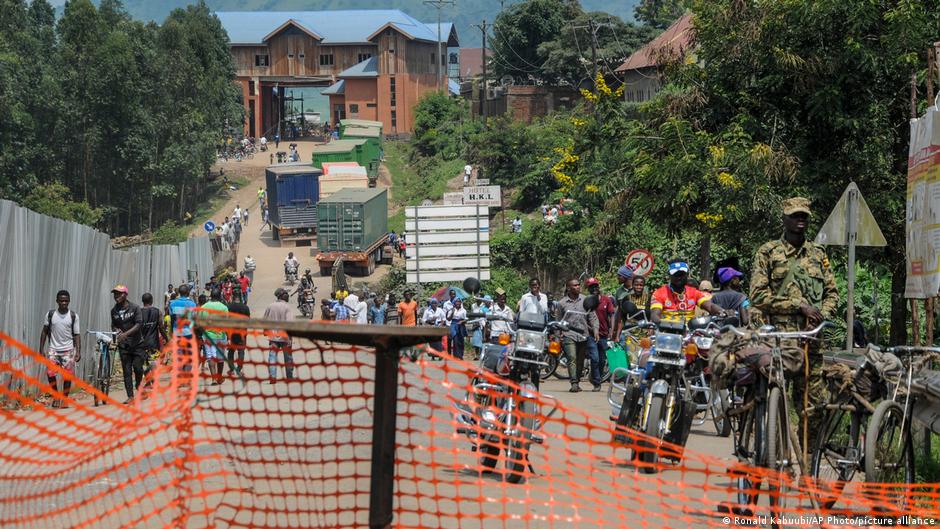
In response to the crisis, several countries implemented strict border restrictions or complete closures. Rwanda initially shut its land borders with DRC, barring entry to foreign travelers who had recently visited the country. While some entry points were later reopened with health screening measures—such as handwashing and temperature checks—these restrictions initially disrupted critical aid flows and personnel movement.
Uganda also temporarily closed cross-border points with DRC, though exceptions were made for humanitarian aid, security operations, and essential trade. Meanwhile, Canada announced in July that it would halt immigration processing for travelers from DRC, Uganda, and South Sudan who had visited affected regions within the past 21 days.
However, the United Nations is urging nations to keep borders open. Blocking official crossing points risks pushing populations toward unmonitored routes, which could undermine surveillance and containment efforts. Open borders are crucial for ensuring the rapid delivery of medical supplies, the smooth deployment of response teams, and the unhindered movement of healthcare workers within DRC.
The outbreak’s toll on food security
The World Food Programme has described the situation as a crisis layered on top of another crisis. The Ituri region, the epicenter of the Ebola outbreak, is among the hardest-hit areas, with 1.9 million people in need of food assistance.
“Many patients aren’t receiving support from aid organizations or the government. Instead, their families are stepping in to care for them. Meanwhile, food shortages are hitting vulnerable communities hard, especially at the grassroots level,” explained Butoto Bigiri Naum, head of the organization Action for Community Development and Well-being (UGEAFI). The NGO is actively involved in emergency aid projects in DRC, currently led by the German organization Help, supporting rural and nutritionally vulnerable populations.
Naum pointed out that border restrictions have severely disrupted food supplies and agricultural inputs, such as seeds and tools, creating major obstacles for farming communities. “Without access to these essentials, families struggle to grow food and meet their basic nutritional needs.”
The WFP reports that over 2.65 million people in Ebola-affected health zones are facing acute food insecurity, including more than 628,000 people in emergency situations. Women and children—particularly pregnant women—are among the hardest hit, as rising food prices and limited availability push many to the brink.
The outbreak exacerbates food insecurity by disrupting supply chains, leading to scarcity on local markets and soaring prices. Households find it increasingly difficult to afford essential food items, pushing communities further into vulnerability. Agricultural production is also at risk. Farmers, fearing infection or labor shortages, may abandon their fields, leading to long-term declines in harvests and heightened famine risks.
To mitigate these effects, the WFP is providing food aid to Ebola patients, their close contacts, frontline workers, and affected households. This support not only helps families meet basic nutritional needs but also encourages compliance with health measures while reducing the need for risky food-seeking migrations.
The intervention also fosters social conditions more conducive to effective health interventions, ensuring that communities remain stable and accessible to response teams.