The Democratic Republic of Congo (DRC) is grappling with a severe Ebola epidemic that began in Ituri province on May 15. Unlike other outbreaks, this one involves the rare Bundibugyo Ebola virus, for which no approved vaccines or targeted treatments currently exist. Alarmingly, the virus has now spread beyond Ituri to neighboring regions, including North Kivu, South Kivu, Haut-Uele, and Tshopo, as well as crossing borders into Uganda.
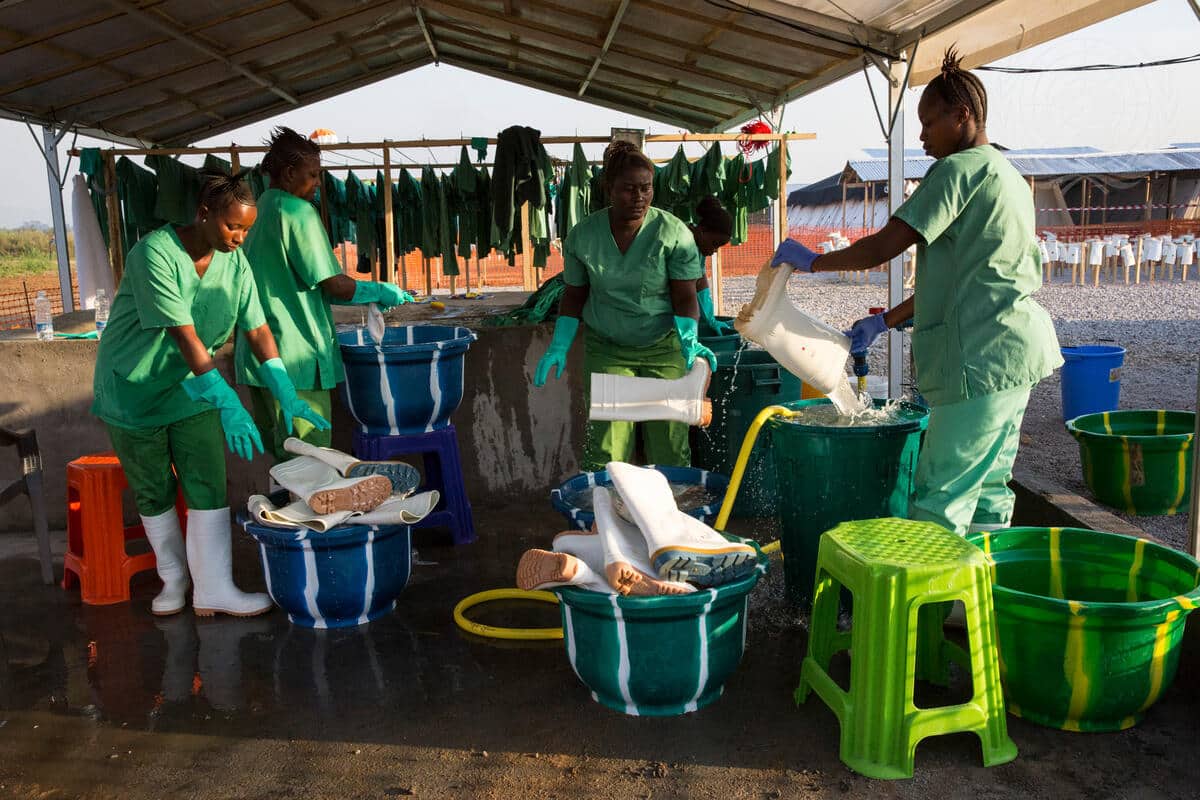
Despite the deployment of humanitarian teams, including those from Medair and World Vision, the situation remains critical. A recent United Nations update, citing World Health Organization (WHO) data from August 1, reveals a staggering 3,748 confirmed cases and 1,587 deaths by July 30, translating to a 44% fatality rate. The escalation is unprecedented, with 567 new cases and 296 deaths recorded in just one week—marking the highest weekly toll since the outbreak began. Among those affected, 44 healthcare workers have succumbed to the virus, while 151 have been infected.
Why the Bundibugyo strain is particularly dangerous
The Bundibugyo Ebola virus poses a unique threat due to its rarity and the lack of specialized medical countermeasures. Unlike the more commonly known Ebola strains, this variant has historically demonstrated higher transmission rates and lower survival odds. The absence of a targeted vaccine or treatment further complicates containment efforts, leaving communities and healthcare systems vulnerable.
International response and escalating challenges
In response to the crisis, global health organizations are scaling up their response. The International Medical Corps (IMC), in collaboration with the United Nations, is intensifying its efforts to bolster healthcare infrastructure and prevent further spread. However, the rapid acceleration of cases demands urgent action to address supply shortages, logistical hurdles, and the persistent risk of cross-border transmission.
The outbreak’s trajectory underscores the need for sustained international solidarity and resource allocation. Without immediate intervention, the humanitarian and public health toll could escalate dramatically.