Student protests escalate as France faces education crisis before 2027 vote
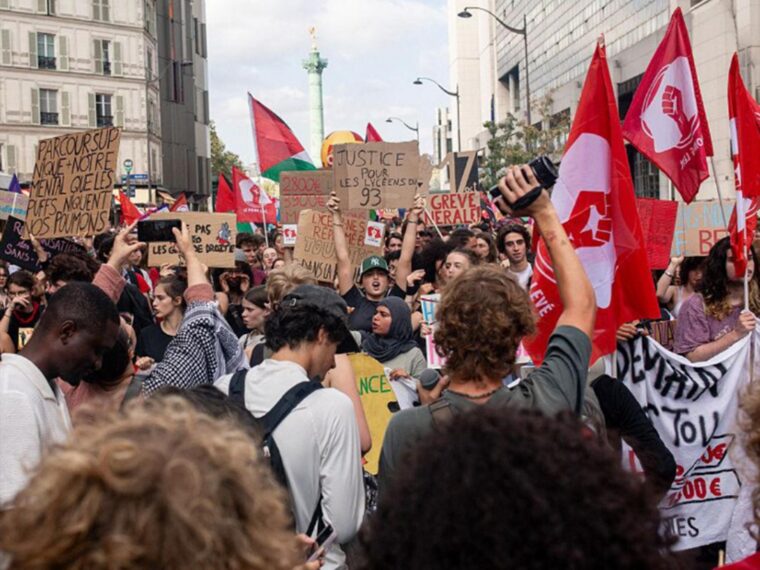
The streets of France have become a battleground for a growing protest movement that shows no signs of slowing. On October 17, students, teachers, and concerned citizens took to the streets in cities across the country, amplifying their demands for education reform and social justice ahead of the pivotal 2027 presidential election. This wave of mobilizations, which began with secondary school students, has now expanded to include university students, parents, and workers united by shared frustrations over France’s deteriorating education system.
From classroom complaints to nationwide demonstrations
The spark that ignited this movement came from within France’s schools. At the start of the academic year, high school students began voicing concerns about overcrowded classrooms, deteriorating infrastructure, and the growing shortage of qualified teachers. These issues have been compounded by frustrations over the university admissions process, particularly the Parcoursup system, which many view as opaque and stressful.
What began as isolated protests in September has since grown into a nationwide movement. Schools have been blockaded, and regular demonstrations have drawn increasing numbers of participants. While the government reported 161,500 demonstrators on October 13, organizers claim nearly three times that number, reflecting both the scale of the protest and the deep divisions between authorities and the mobilized youth.
Core demands driving the protests
The demonstrators’ demands go beyond mere funding requests. Key issues include:
- Equitable access to education: Students in disadvantaged neighborhoods face crumbling buildings, outdated resources, and chronic teacher absences, creating widening gaps in opportunity.
- School infrastructure reforms: Many institutions suffer from poor maintenance, overcrowded classrooms, and schedules that leave little room for personalized support.
- Transparent university admissions: The Parcoursup system has drawn criticism for its perceived lack of clarity and fairness in allocating spots in higher education.
Government responds with measures, but will they be enough?
In response to the mounting pressure, the government has pledged additional funding for the 2027 budget, focusing on teacher replacements and school infrastructure repairs. However, these measures have been met with skepticism by student unions and education advocates, who argue that the proposals fall short of addressing systemic issues.
The debate over education reform has also become intertwined with broader social and economic concerns. Rising living costs, stagnant wages, and declining trust in public institutions have fueled a sense of shared frustration among different segments of the population. The convergence of these issues has further energized the protest movement, transforming it into a platform for addressing systemic inequalities rather than just school-specific grievances.
Convergence of causes: when education meets social unrest
The October 17 demonstrations marked a turning point as the movement began to merge with other social justice causes. Calls for solidarity with groups like the “Yellow Vests” (Gilets Jaunes) have broadened the scope of the protests, drawing in workers, retirees, and other disaffected groups. This convergence highlights a growing discontent that transcends generational or sectoral divides.
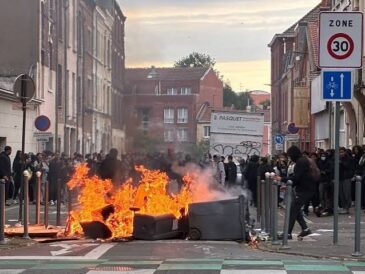
While the majority of protests have remained peaceful, isolated incidents of violence in major cities such as Paris and Marseille have raised concerns about public order and police response. These episodes underscore the urgency of constructive dialogue between authorities, educators, and the youth to prevent further escalation.
2027 Elections: how will education shape the campaign?
The timing of these protests is critical. With the 2027 presidential election approaching, education has emerged as a defining issue in the national discourse. Candidates are being forced to address pressing questions: Should education receive increased public funding? How can France combat systemic educational inequalities? What guarantees can be offered to young people facing precarity and uncertain career prospects?
For President Emmanuel Macron, whose second term concludes in 2027, the handling of these protests will weigh heavily on his legacy. The manner in which the government addresses school and social grievances could influence voter sentiment, though it remains unclear whether these issues will dominate the electoral campaign.
A generation demanding to be heard
The long-term impact of this movement hinges on its ability to translate anger into actionable change. While protests have succeeded in drawing attention to long-ignored issues, sustained progress will require inclusive dialogue between students, educators, families, and policymakers. The challenge lies in moving beyond symbolic gestures and implementing tangible reforms that address the root causes of the crisis.
As France stands on the cusp of another critical election cycle, the protests serve as a reminder that the education system is more than just a public service—it is the cornerstone of the nation’s promise of equality and social mobility. The question now is whether the country’s institutions are prepared to listen, adapt, and deliver solutions that resonate with the aspirations of its youth.