Gabon’s human capital leap: training 400 youth to power the next economic wave
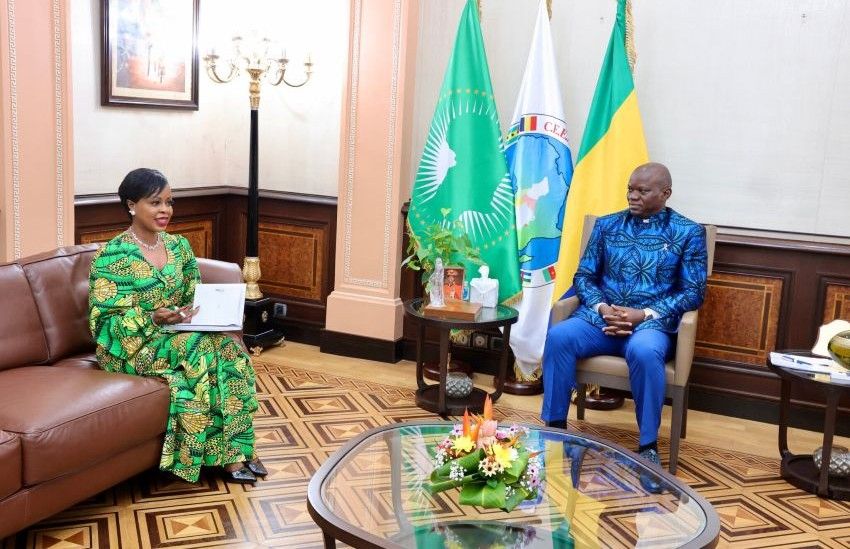
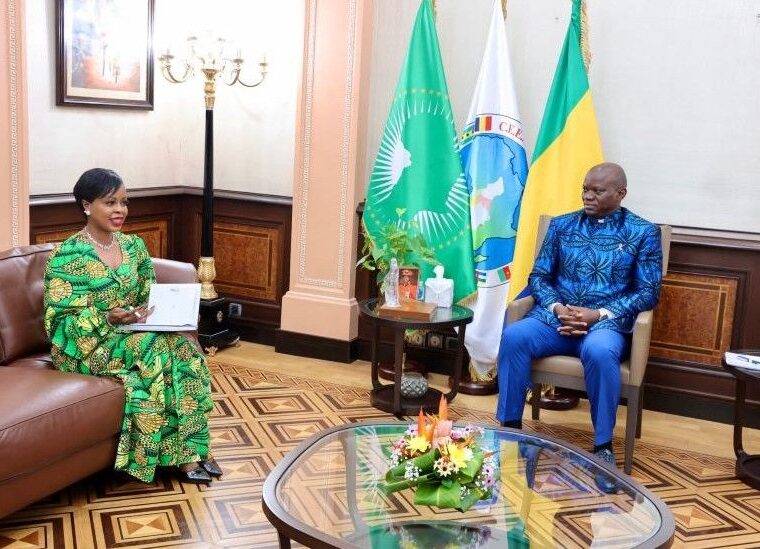
Libreville, October 4, 2026 – The Gabonese government has just flipped the script on its economic transformation strategy. Moving beyond oil reserves and infrastructure projects, the nation is now banking on a less tangible but far more powerful resource: the skills of its people. In a landmark meeting on October 2, President Brice Clotaire Oligui Nguema welcomed Minister of Commerce, SMEs, and SMIs Zenaba Gninga Chaning, who unveiled a sweeping initiative combining vocational training, professional integration, and youth entrepreneurship support. The flagship program? Training 400 young Gabonese in Libreville, with a subsequent rollout across all nine provinces.
The timing couldn’t be more strategic. As Gabon accelerates its economic diversification efforts, the government is fundamentally rethinking how to cultivate homegrown talent capable of driving productivity and reducing reliance on foreign expertise. The message is clear: economic sovereignty isn’t just about controlling resources—it’s about controlling the expertise to transform them.
From theory to tangible impact: closing the skills-to-jobs gap
This initiative marks a decisive shift from traditional education models that prioritize diplomas over employability. The 400 participants aren’t just learning technical skills—they’re being groomed for direct integration into Gabon’s labor market. The program’s three-pronged approach—training, accompaniment, and financing—is designed to bridge the critical gap between qualification and sustainable employment.
“We’re not merely creating workers,” explained a senior government official involved in the program. “We’re cultivating entrepreneurs who can turn their skills into thriving businesses or secure positions that contribute to national value chains.”
- Training: Focused on high-demand technical fields like energy, petroleum, digital technologies, and industrial maintenance.
- Accompaniment: Post-training support including business incubation, market access facilitation, and mentorship.
- Financing: Access to start-up grants, low-interest loans, and investment guarantees for viable projects.
Sovereignty starts with skills: reducing dependence on foreign expertise
The program’s scope reflects Gabon’s long-term vision: to build an economy where locals—not foreign consultants or imported labor—fill critical technical roles. This ambition is particularly acute in sectors driving the country’s future growth:
- Energy and petroleum: Expanding training at the Port-Gentil Petroleum and Gas Institute to meet industry demands.
- Infrastructure: Developing local expertise in construction, maintenance, and project management.
- Digital transformation: Equipping youth with coding, cybersecurity, and IT infrastructure skills.
- Industrial and agricultural value chains: Reducing reliance on imported technical labor in processing and logistics.
The government’s commitment to this model was underscored during a recent visit to Port-Gentil, where President Oligui Nguema emphasized the need to “train Gabonese technicians who can operate, maintain, and innovate—not just use imported systems.”
From Libreville to the provinces: a national movement takes shape
The 400 trainees in Libreville represent only the first wave. The real test lies in scaling this model across Gabon’s diverse economic landscapes. A one-size-fits-all approach won’t suffice. The program must adapt to regional realities:
- Oil-producing regions: Focus on petroleum engineering, pipeline maintenance, and safety protocols.
- Mining zones: Training in geological surveying, equipment operation, and environmental compliance.
- Urban centers: Expanding digital and service-sector skills to support Gabon’s growing tech and entrepreneurial ecosystem.
- Agricultural hubs: Vocational training in agro-processing, renewable energy for rural areas, and logistics.
Measuring success: beyond participation rates to real economic impact
The program’s success won’t be measured by the number of people trained—but by quantifiable outcomes:
- How many graduates secure formal employment within 12 months?
- How many launch sustainable businesses that create additional jobs?
- What percentage of trained professionals fill roles previously held by foreign experts?
- How much does the program contribute to reducing imports of technical services?
“This isn’t just about employment,” noted an economist tracking Gabon’s labor market. “It’s about circuit breakers in the economy—reducing foreign currency leakage, increasing local value retention, and creating a multiplier effect where skills generate more skills.”
The new infrastructure: why Gabon’s future runs on human capital
Gabon’s roads, ports, and energy plants are vital—but they are inert without skilled operators. The country’s recent push to develop human capital signals a deeper understanding: economic transformation isn’t just about building structures. It’s about building the capacity to design, operate, and innovate within those structures.
In the words of the Minister of Commerce, “Every oil well, every solar farm, every factory only reaches its full potential when Gabonese hands and minds are steering the wheel.”
The 400 young Gabonese now stepping into training centers aren’t just participants in a program—they’re the architects of a new economic paradigm. One where skills aren’t an afterthought, but the very foundation of progress.