Kidal’s fall forces Touareg rebels to rethink alliances
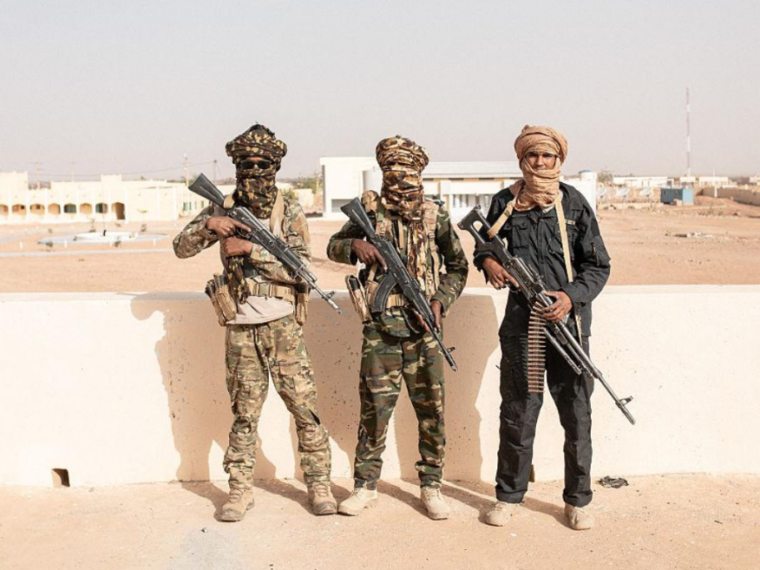
The strategic retreat of Mali’s separatist forces from Kidal in October 2026 has triggered a seismic shift in regional alliances. The Front de Libération de l’Azawad (FLA) abandoned its northern stronghold without resistance, prioritizing the preservation of fighters and equipment over a doomed defense. This calculated withdrawal exposed the group’s urgent need for new logistical and military support beyond Mali’s borders.
The vacuum left in Kidal provided Mali’s transitional government with a critical opportunity to reassert territorial control. However, it simultaneously pushed the FLA toward uncharted diplomatic territory. Facing the collapse of Algeria’s 2015 peace agreement—which Bamako has formally abandoned—the Touareg movement now looks eastward to Libya’s fractured leadership and southward to the United Arab Emirates.
Libya’s Haftar faction emerges as potential arms pipeline
Geographical proximity and the porous Sahara frontier made eastern Libya a logical destination for FLA negotiators. A high-level delegation traveled to Benghazi to engage with key figures in the Libyan National Army, including Saddam Haftar, son of the military strongman Khalifa Haftar. While concrete arms transfers remain unsecured, the talks signal a deliberate attempt to bypass Mali’s military encirclement through an alternative supply route.
The FLA’s outreach to Libya reflects a broader desperation. Without Kidal as a sanctuary, the group’s operational capacity hinges on accessing new channels for weapons, funding, and safe havens. Benghazi’s wartime economy—rooted in militia governance and illicit trade—could provide the necessary backdoor for survival.
UAE’s regional influence puts Algeria on high alert
Parallel efforts to secure Emirati backing underscore a more complex geopolitical calculus. The United Arab Emirates has spent years expanding its footprint across Africa, leveraging financial networks and security partnerships from the Horn of Africa to the Sahel. While no formal agreements have been announced, the UAE’s growing ties with Mali’s insurgents risk escalating tensions with Algeria.
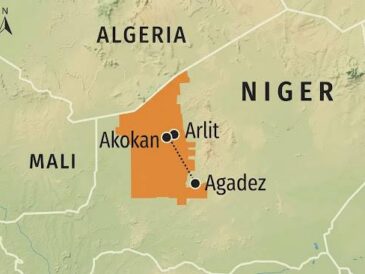
Algiers views the Sahara as a vital security buffer. With over 1,000 kilometers of shared border with Mali, Algeria considers any foreign interference in the region a direct threat. The deteriorating relationship between Algeria and Abu Dhabi over regional rivalries amplifies Algiers’ concerns, particularly as it monitors the UAE’s expanding influence.
Algeria’s response has been swift. The crisis has compelled a major diplomatic pivot, with Algiers prioritizing stronger ties to Bamako and Niamey. The goal is clear: restore stability along its southern flank by countering external actors perceived as destabilizing forces in the Sahel.
Algeria doubles down on Sahel alliances to block rival powers
The loss of Kidal has forced Algeria to recalibrate its southern strategy. After years of strained relations with Mali linked to the failed Algiers Accords, Algerian diplomats are now engaging Bamako in urgent security talks. The focus includes border security, combating transnational crime, and managing migration flows—all critical to preventing regional spillover.
This rapprochement extends beyond Mali. Algeria’s strategic dialogue with Niger has intensified, reflecting a shared interest in countering external interference. A combination of political engagement and cross-border cooperation is being deployed to create a unified front against spoilers in the Sahel.Regional chessboard teeters as old powers confront new players
The Sahel-Saharan theater is now a battleground of competing ambitions. On one side, the FLA seeks to rebuild through unconventional alliances with Benghazi and Abu Dhabi, desperate to offset its diminished presence in Kidal. On the other, Algeria asserts its role as the region’s natural guarantor of stability, working to isolate outside influences that threaten its strategic interests.
The fragile equilibrium hinges on two factors: the FLA’s ability to secure external support and Algeria’s capacity to reinforce its partnerships with Mali and Niger. The Sahara’s vast desert routes—long used for smuggling and illicit movement—could soon become the arteries of a new shadow war, with weapons, fighters, and funds flowing in both directions. The coming months will reveal whether diplomacy or conflict dictates the region’s next chapter.