Gabon and African Development Bank launch priority projects pact
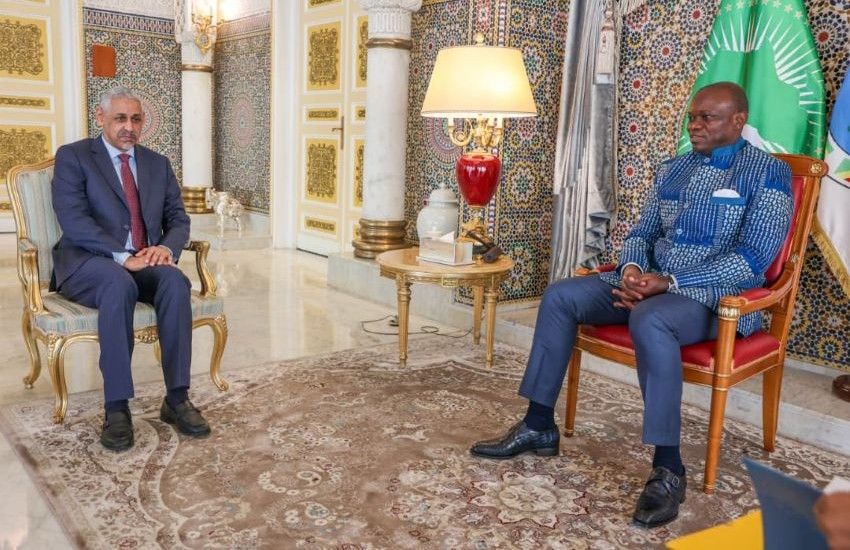
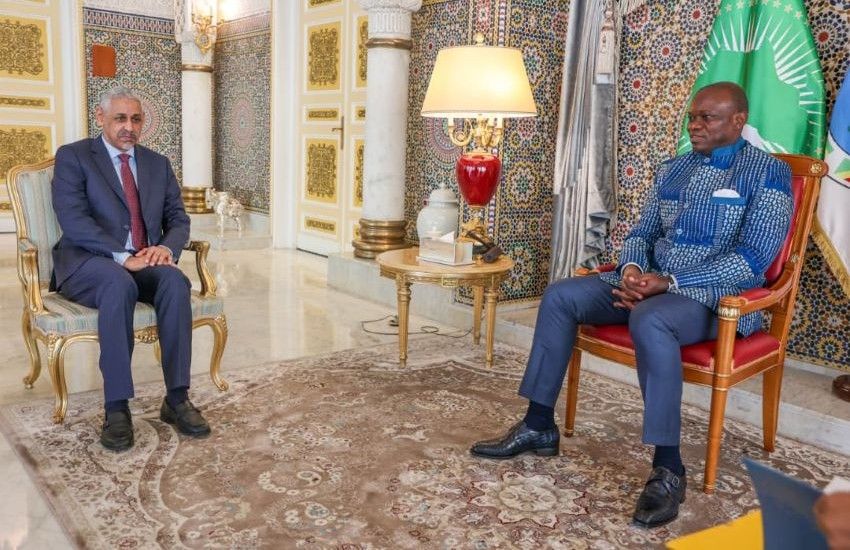
Libreville, August 15, 2026 — A new chapter is unfolding in Gabon’s partnership with the African Development Bank (BAD). During a high-level meeting in Libreville on Friday, August 14, President Brice Clotaire Oligui Nguema welcomed BAD’s new president, Sidi Ould Tah, to discuss a strategic shift in how development financing can directly transform living conditions across the country.
The discussions went beyond routine portfolio reviews, focusing instead on aligning financial support with Gabon’s most pressing national priorities. Two critical sectors emerged as central to this agenda: water and electricity access, and agricultural transformation. These areas not only impact daily life for Gabonese households but also determine the nation’s economic competitiveness on the regional stage.
Water and electricity: the foundation of national progress
Gabon’s push to improve water and electricity supply reflects a broader commitment to sustainable development and public trust. Rising demand has exposed gaps in production and distribution, leading to recurring disruptions that undermine public confidence. To address this, the BAD is preparing to finance large-scale infrastructure projects designed to strengthen supply networks.
Key initiatives include expanding water access from the Komo River basin, a move aligned with government directives. Success here will require coordinated action among technical experts, national operators, and international partners to convert available resources into reliable public services. The goal is not just to build infrastructure, but to create lasting solutions that enhance service quality, continuity, and accessibility for all citizens.
Agriculture: breaking dependence on imports
The second pillar of the new pact centers on agriculture. Gabon currently imports a significant portion of its food, leaving the economy vulnerable to global price swings, logistical costs, and supply chain disruptions. President Oligui Nguema has made reducing this dependency a national priority.
The BAD’s role will be pivotal in supporting local production, boosting farmer productivity, and fostering food self-sufficiency. Beyond immediate gains in food security, this strategy promises to stimulate rural employment, increase household incomes, and build robust national value chains. Realizing this vision, however, depends on more than capital injections. It requires investments in rural infrastructure, market access mechanisms, and policies that encourage private sector participation.
From funding to impact: redefining development cooperation
This meeting marks a deliberate shift in Gabon’s relationship with the BAD — one that prioritizes measurable outcomes over financial commitments alone. The President emphasized the need to channel resources into sectors with the greatest potential to deliver tangible socio-economic benefits. This approach reflects a growing global trend where development partners demand proof of progress, not just promises.
For Gabon, the challenge now lies in turning political consensus into long-term projects that are funded, implemented, and evaluated with rigor. For the BAD, the task is to demonstrate that its interventions can directly address the structural bottlenecks hindering the country’s growth. The August 14 discussions signal the start of a new phase — one where water, electricity, and agriculture are not just policy priorities, but test cases for a partnership built on results.
The true measure of success will not be the size of the investments made, but their ability to improve daily life in meaningful and sustainable ways. In a nation where citizens are demanding visible change, this partnership must now deliver on its promise — not in rhetoric, but in tangible progress.