Gabon reaffirms its place in francophone parliamentary diplomacy
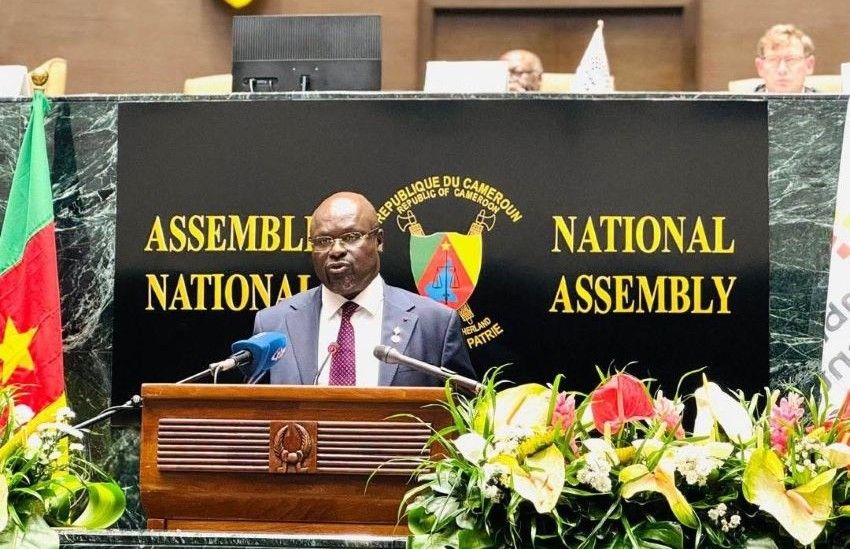
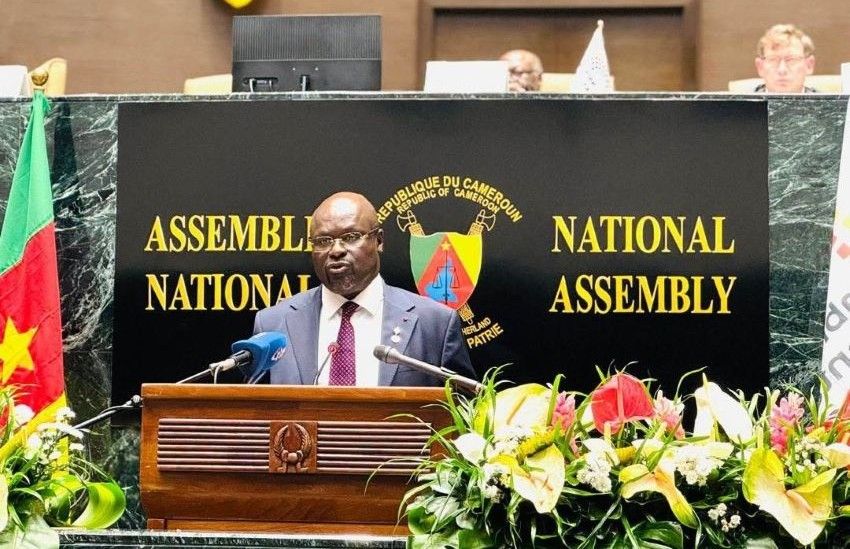
Yaoundé, July 11, 2026 — When a nation reasserts itself on the global stage, the gesture often transcends mere protocol. It signals a return to influence, a willingness to shape debates, and a commitment to rejoin the forums that define political balance. Such was the message delivered by Gabon this week during the 51st session of the Francophonie Parliamentary Assembly in Cameroon’s capital.
At the podium, Michel Régis Onanga M. Ndiaye, President of Gabon’s National Assembly, formally announced the country’s reintegration into this key institutional platform after a two-year political transition. The move was not merely symbolic; it marked the culmination of a deliberate strategy to restore Gabon’s voice in regional and international discussions.
Beyond symbolism: a strategic diplomatic statement
The timing of Gabon’s return could not have been more strategic. Held against a backdrop of global instability, eroding multilateralism, and rising sovereignist rhetoric, this session’s focus on multilateralism and state sovereignty provided Libreville with a prime opportunity to articulate its renewed diplomatic vision.
In his address, Onanga M. Ndiaye expressed gratitude for the Assembly’s support during Gabon’s transition period while reaffirming the country’s enduring commitment to the core values of dialogue, cooperation, and solidarity that define the Francophonie community. By declaring Gabon’s return, he sent a clear message: the nation has emerged from its institutional upheaval stronger and ready to reclaim its role in shaping global discourse.
The significance of this moment extends far beyond parliamentary chambers. It serves as a reassurance to investors, international organizations, and economic partners that Gabon has restored stability and is poised to engage fully in regional development initiatives.
Sovereignty through engagement, not isolation
A defining theme of Onanga M. Ndiaye’s speech was Gabon’s approach to sovereignty. While some nations equate independence with disengagement from international institutions, Gabon champions a different philosophy: sovereignty as the ability to defend national interests while remaining an active participant in global cooperation.
This stance reflects a broader African trend, where leaders are redefining the balance between national autonomy and multilateral participation. It underscores a generation of policymakers who view dialogue, negotiation, and solidarity—not withdrawal—as the most effective tools for crisis prevention, democratic consolidation, and regional stability.
From experience to regional leadership
Gabon’s return was accompanied by an ambitious proposal: to convene a high-level conference uniting parliamentary leaders from transitioning and post-transition African nations. The goal? To transform Gabon’s recent institutional experience into a model of solidarity and cooperation for the continent. By sharing its lessons, Libreville seeks to position itself as a mediator and a catalyst for democratic resilience across Africa.
This initiative highlights a growing shift in African parliamentary diplomacy. Once limited to domestic functions, parliaments are increasingly becoming platforms for mediation, conflict prevention, and democratic support. Gabon’s active endorsement of reform proposals from Senegalese and Ivorian counterparts further demonstrates its intent to move beyond participation to active leadership in shaping institutional evolution.
Gabon’s reintegration into the Francophonie Parliamentary Assembly is more than a diplomatic normalization—it is the first step in a broader strategy to reposition the country as a constructive voice in African and global affairs. In an era marked by geopolitical tensions and the erosion of multilateralism, Libreville has chosen a path of assertive yet open sovereignty, where cooperation is rooted in mutual respect and parliamentary diplomacy serves stability and development.
The true test for Gabon now lies not in its re-entry into international forums but in its ability to leverage this presence to build lasting influence. The challenge ahead is to transform symbolic participation into tangible benefits for its citizens and the wider Francophonie community.