Gabon tightens control over iboga with new licensing system
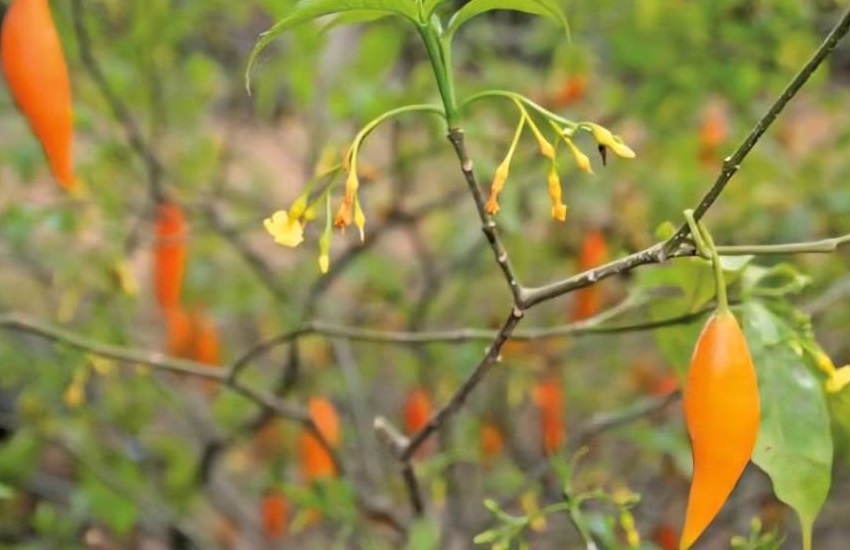
Libreville, June 10, 2026 — Gabon has elevated the status of iboga from sacred plant to nationally protected resource, implementing sweeping measures that place all activities involving the botanical treasure under state supervision.
For generations, iboga has been the spiritual cornerstone of Bwiti initiations, its use strictly confined to Gabonese cultural traditions. Now, through a landmark decree published May 22, 2026, the government has declared that no operation—whether scientific research, processing, trade, or traditional use—can proceed without prior authorization from cultural authorities.
At the heart of this regulatory shift lies a critical question: How can a nation safeguard its biological, cultural, and economic heritage without eroding the centuries-old traditions that have sustained it?
From spiritual sacrament to global commodity
The new framework, outlined in decree no. 0239/PR/MJSRCAVA, places iboga under the purview of a specialized inter-ministerial commission. Authorization is mandatory for any individual or entity—Gabonese or foreign—engaging in activities tied to the plant, its derivatives, or associated traditional knowledge. Even academic institutions and pharmaceutical companies seeking to study iboga’s potential therapeutic benefits, particularly its alkaloid ibogaine’s role in addiction treatment, must now comply with these regulations.
This move comes as international demand for iboga surges. Laboratories in the United States, Europe, and Asia are racing to explore its medicinal properties, raising concerns in Libreville that the country’s cultural patrimony could be exploited without benefit to local communities.
Balancing sovereignty with tradition
The decree responds to a broader African trend: nations asserting control over genetic resources and ancestral knowledge to combat biopiracy. Yet, the practical challenges are immense. Iboga is not merely a plant; it is woven into Gabon’s spiritual fabric, used daily by healers and spiritual leaders in remote regions where state presence remains limited.
Will administrative controls stifle traditional practices or provide the structure needed to preserve them? The answer depends on implementation. Over-regulation risks alienating the very guardians of iboga’s legacy, while lax enforcement could leave the plant vulnerable to unchecked exploitation.
A strategic pivot for Gabon’s future
Beyond its cultural significance, iboga represents an economic opportunity. By regulating access, Gabon aims to shift from raw material supplier to value-added participant in the global market. This aligns with a wider national strategy to strengthen local processing of natural resources—from timber to minerals—ensuring greater returns for Gabonese stakeholders.
The success of this initiative hinges on a delicate equilibrium. The government must demonstrate that sovereignty and tradition can coexist, transforming iboga from a symbol of Gabonese identity into a model of sustainable, community-centered resource management.