Gabon’s Paris visit: from diplomacy to economic outcomes
Libreville, Tuesday 4 August 2026 – Gabon’s recent state visit to Paris from 19 to 22 July was far more than a diplomatic showcase. Beyond military honors at Les Invalides, a stroll through the Château de Versailles, or an evening at the Élysée Palace, Libreville pursued tangible economic commitments.
The 80-strong delegation, including key private sector figures, arrived in France with a clear agenda: securing measurable benefits for Gabonese citizens. While official communications had previously kept the identities of major French business leaders vague, newly disclosed details reveal critical discussions and potential partnerships.
Air travel and manganese: two key files in motion
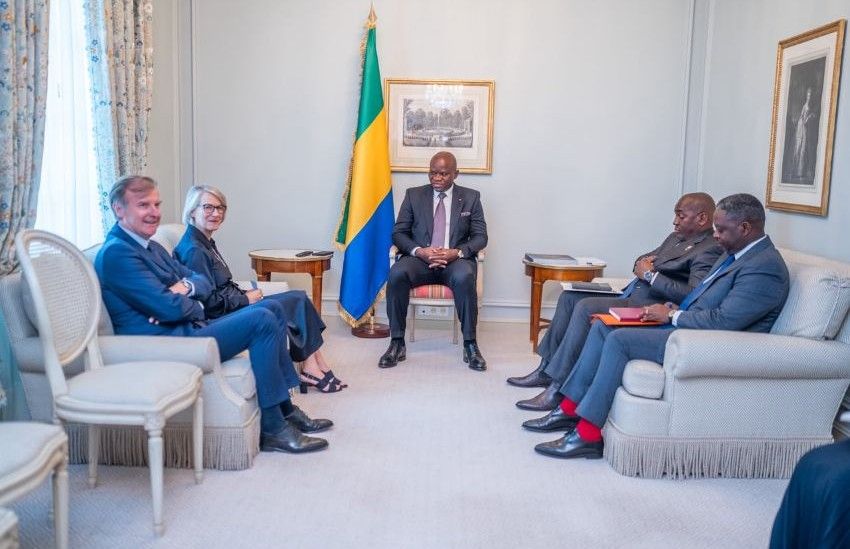
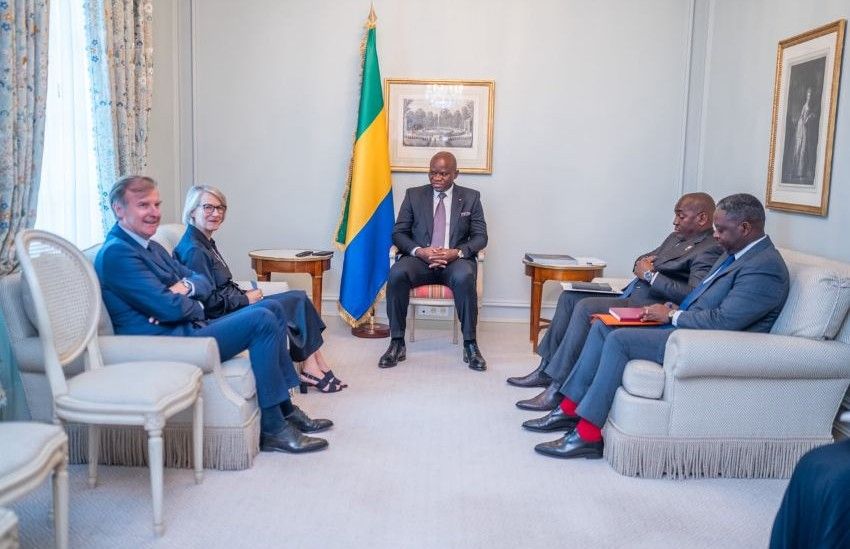
On 19 July, Gabon’s transitional leader met Anne Rigail, CEO of Air France. The airline and Fly Gabon have long maintained commercial ties, and discussions centered on finalizing a codeshare agreement by year-end. If implemented, this would allow Fly Gabon to sell tickets to Paris under its own branding—a move expected to enhance regional connectivity and attract business travelers, tourists, and investors.
Mining took center stage the following day at the Élysée Palace. Eramet and its subsidiary Comilog engaged in talks with Gabonese officials on local manganese processing. Under the leadership of CEO Christel Bories, the company outlined a collaborative roadmap with Gabon’s government.
The plan targets processing up to 700,000 tonnes of manganese locally by 2031. While promising, the framework remains preliminary, with funding, infrastructure, and investment decisions still pending. A proposed « Made in Gabon » fund and biocharcoal sector development were also discussed, signaling long-term ambitions.
Booué’s hydroelectric project: a litmus test for energy transformation
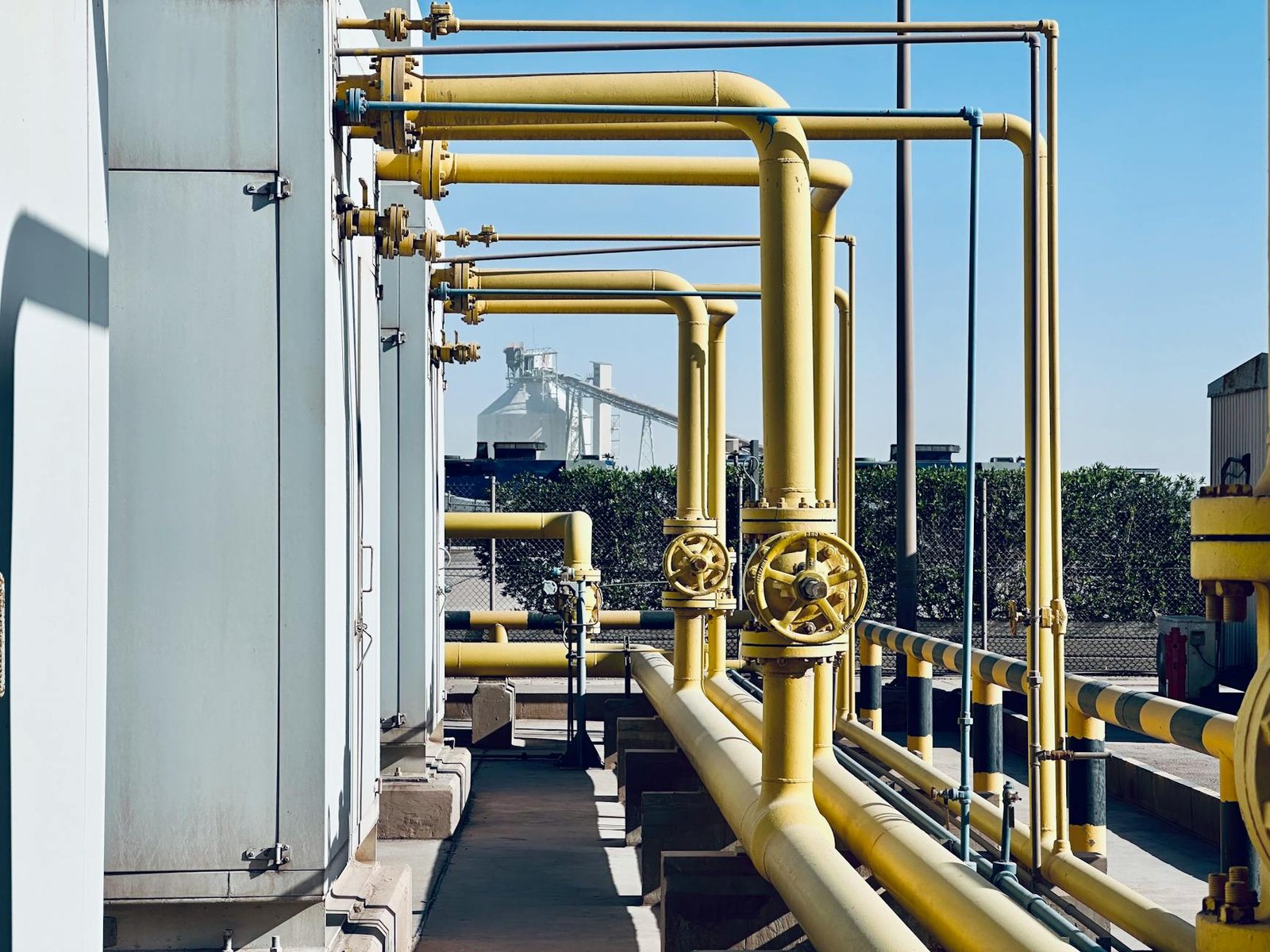
Energy security emerged as another priority. Gabon, EDF Power Solutions, and Gabon Power Company signed an agreement for the Booué hydroelectric dam on the Ogooué River, targeting 400 megawatts of capacity. This project is critical: despite abundant hydroelectric potential, Gabon currently generates just 700 MW against demand exceeding 1,000 MW.
The Paris agreement is only a first step. Partners have until 31 October to finalize development terms, with progress reviewed monthly. This deadline marks a decisive phase for the project’s viability.
The visit also included discussions with Omega Consortium, a specialist in water and electricity infrastructure, to address nationwide access challenges.
What Gabon expects next
Though Librevile touted progress in mining, energy, water, security, and investment, specifics on funding and timelines remain undisclosed. For Gabonese citizens, the real test begins now. The names of CEOs and signed agreements hold little weight without concrete results.
Three developments will shape public perception: the 31 October deadline for Booué’s hydroelectric project, the anticipated airline agreement by year-end, and manganese processing milestones. The true measure of this visit’s success will be its impact on daily life—jobs created, reliable power, improved mobility, and locally produced wealth. Diplomacy, after all, is judged not by meetings attended but by lives transformed.