
Today at 5:55 PM Reading time: 7 minutes.
File generated on
Pressure mounts on Tchad’s opposition amid government crackdown
In recent months, Tchad’s political landscape has become increasingly tense as President Mahamat Idriss Déby Itno consolidates power. Opposition leaders, once vocal critics of the transitional government, now face mounting restrictions that threaten their ability to organize and mobilize supporters. The crackdown has intensified, leaving many political figures scrambling to adapt.
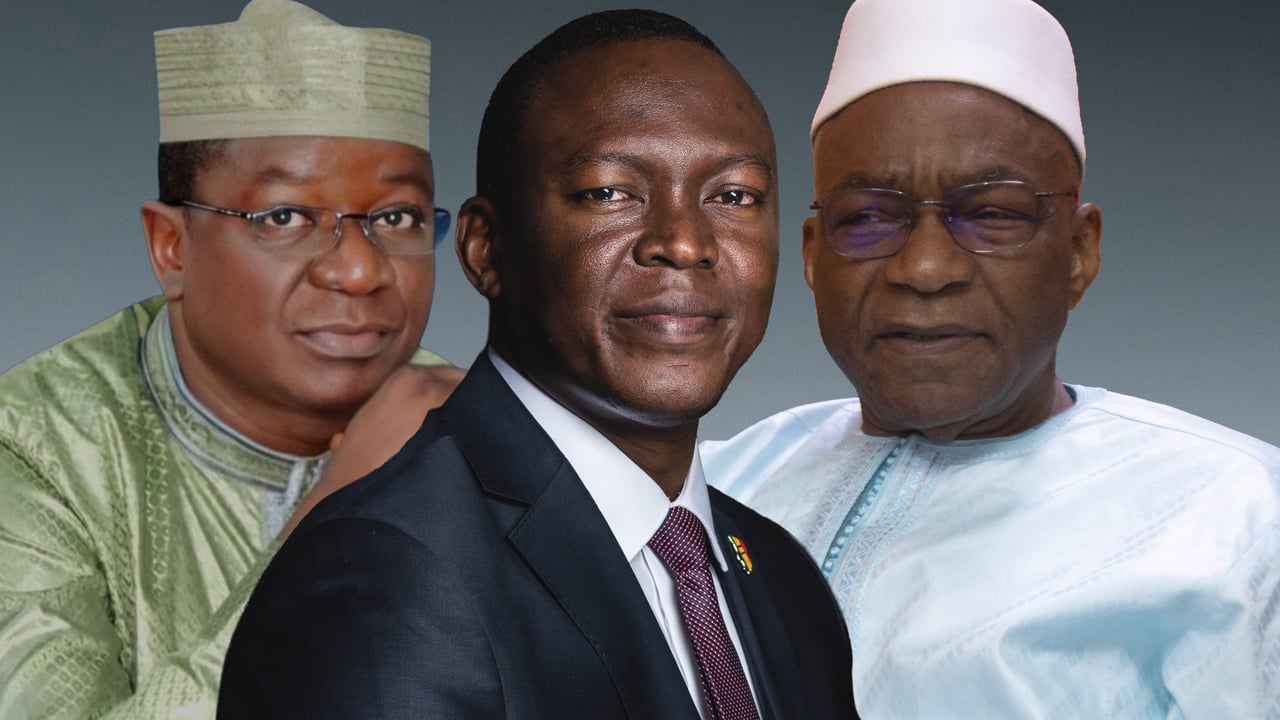
Among the most prominent voices silenced is former Prime Minister Albert Pahimi Padacké, whose party has been subjected to legal harassment and administrative obstacles. His ability to challenge the regime has been severely curtailed, with authorities deploying tactics designed to stifle dissent before it gains momentum.
Legal and political obstacles hinder opposition activity
Opposition parties in Tchad are operating under unprecedented constraints. New regulations imposed by the transitional government have made it nearly impossible for them to hold public meetings or access media platforms. Saleh Kebzabo, a veteran opposition leader, has accused authorities of systematically undermining democratic freedoms to prevent any challenge to the ruling elite.
Legal proceedings against opposition figures have surged, with arrests and detentions becoming more frequent. Succès Masra, another key opposition figure, has been repeatedly detained without formal charges, raising concerns about due process and the rule of law in the country.
Public reaction and the future of political dissent
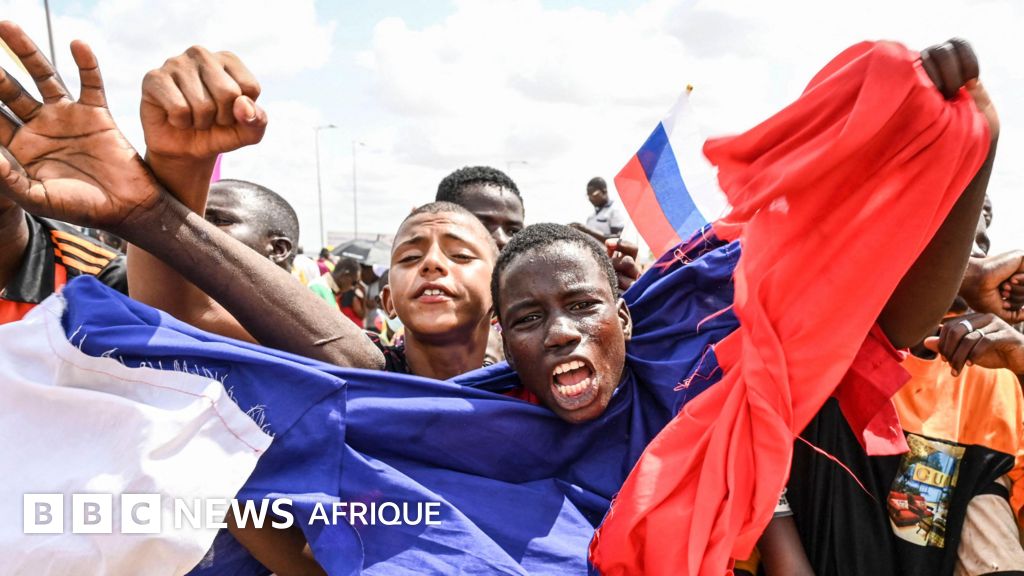
Despite the repression, pockets of resistance persist. Civil society groups continue to document human rights violations, while citizens in major cities like N’Djamena voice frustration over the lack of political freedoms. Social media has become a critical space for dissent, though authorities have responded by increasing online surveillance and blocking access to certain platforms.
With the transitional government tightening its grip, the opposition’s future remains uncertain. Many analysts warn that unless international pressure is applied, the space for political pluralism in Tchad could vanish entirely.
What’s next for Tchad’s opposition?
The coming months will be decisive for opposition groups attempting to navigate this hostile environment. Strategies being discussed include forming alliances with regional blocs to pressure the government or leveraging international institutions to hold authorities accountable. However, the path forward is fraught with risks, as the regime shows no signs of easing its grip.
As the political climate in Tchad grows more volatile, the international community’s role in safeguarding democratic norms will be crucial. Without intervention, the country’s transition to civilian rule may remain a distant prospect.